

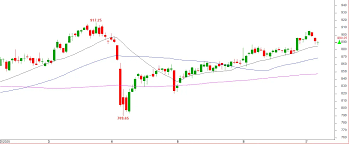
MCX trends show copper’s 50 percent surge over the past year has outperformed several traditional asset classes. This rally is not just a commodity story. It carries direct implications for Tier 2 manufacturing hubs that depend on metal inputs for growth and competitiveness.
MCX trends have drawn attention after copper prices recorded a sharp rise, delivering roughly 50 percent gains over the past year during a period of strong global demand and supply tightness. On the Multi Commodity Exchange, copper futures reflected this bullish momentum, tracking international benchmarks and currency movements. For India’s Tier 2 manufacturing cities such as Aurangabad, Coimbatore, Rajkot and Faridabad, the copper rally is both an opportunity and a cost challenge.
Understanding the Copper Price Rally on MCX
Copper is often called a barometer of economic activity because it is widely used in construction, power transmission, automobiles and electronics. A 50 percent surge in copper prices typically signals robust industrial demand or constrained supply, or both. Global infrastructure spending, expansion in renewable energy projects and electric vehicle production have supported consumption.
On MCX, copper futures respond to global price movements, domestic demand and rupee dollar exchange rates. When the rupee weakens, imported metals become costlier, amplifying domestic price increases. Traders and hedgers in India use MCX contracts to manage price risk.
For manufacturing units in Tier 2 cities, this surge translates directly into higher input costs. Copper is a core raw material in wires, cables, transformers and automotive components.
Impact on Tier 2 Manufacturing Hubs
Tier 2 manufacturing hubs play a crucial role in India’s industrial ecosystem. Cities such as Coimbatore are known for engineering and pump manufacturing. Rajkot has a strong base in auto components and machine tools. Faridabad and Aurangabad host clusters producing electrical equipment and industrial machinery.
A sustained rise in copper prices increases production costs for these units. Small and medium enterprises operating on thin margins may struggle to pass on higher costs immediately. This can compress profitability in the short term.
However, the situation is not entirely negative. When copper prices rise due to strong global demand, export oriented units may benefit from higher order volumes. If global buyers are expanding production, Indian suppliers can gain new contracts despite higher raw material costs.
Metals Outperformance and Industrial Signals
The broader metals outperformance trend on MCX reflects renewed investor interest in industrial commodities. Alongside copper, metals such as zinc and aluminum have also seen periods of strength. This trend often aligns with expectations of infrastructure growth and manufacturing expansion.
For policymakers and business owners in Tier 2 cities, rising metal prices can signal a potential upcycle in industrial activity. If the surge is driven by infrastructure investments and energy transition projects, demand for cables, transformers and electrical systems could remain strong.
At the same time, volatility remains a risk. Commodity markets react quickly to global monetary policy, geopolitical tensions and changes in demand forecasts. Manufacturing clusters must plan for price swings rather than assume a one way trend.
Cost Management and Hedging Strategies
Manufacturers in Tier 2 hubs increasingly explore hedging strategies through MCX to manage copper price risk. By locking in prices through futures contracts, companies can stabilize input costs and protect margins. Larger firms often have dedicated treasury teams, but smaller units are gradually learning to use exchange based tools.
Inventory management also becomes critical. Holding large stocks during a price spike can strain working capital. On the other hand, insufficient inventory during a supply crunch can disrupt production schedules.
Financial discipline and better forecasting help firms navigate metal cycles. Industry associations in cities like Coimbatore and Rajkot often conduct workshops on commodity risk management to build awareness among small enterprises.
Electric Vehicles and Renewable Energy Link
Copper demand has structural support from electric vehicles and renewable energy expansion. Electric vehicles use more copper than conventional internal combustion vehicles due to wiring, motors and battery systems. Solar and wind projects require copper for cabling and grid connectivity.
If India accelerates renewable capacity additions and electric mobility adoption, domestic copper consumption is likely to remain strong. Tier 2 cities involved in component manufacturing can benefit from this structural demand shift.
However, rising prices may encourage substitution in certain applications, such as increased use of aluminum where technically feasible. Innovation in material efficiency will influence long term consumption patterns.
Investment Perspective for Regional Investors
The copper surge on MCX has also attracted retail and high net worth investors from Tier 2 cities. Commodities are increasingly viewed as portfolio diversification tools alongside equities and gold.
While the 50 percent rally appears attractive, commodities are cyclical. Investors should assess risk tolerance and understand margin requirements before trading futures. Exchange traded commodity products offer exposure with relatively lower operational complexity.
For industrial entrepreneurs, direct participation in commodity markets can serve dual purposes of hedging and investment.
Outlook for Tier 2 Industrial Growth
The copper price surge signals strong global industrial momentum but also tests cost resilience of Indian manufacturing clusters. Tier 2 hubs that invest in efficiency, technology upgrades and risk management are better positioned to withstand volatility.
Long term prospects remain linked to infrastructure development, power sector expansion and manufacturing policy support. If domestic demand continues to grow, higher copper prices may reflect opportunity rather than constraint.
Takeaways
Copper’s 50 percent surge on MCX reflects strong global industrial demand and supply constraints.
Tier 2 manufacturing hubs face higher input costs but may benefit from export and infrastructure driven demand.
Hedging through MCX futures can help manage raw material price volatility.
Structural drivers such as electric vehicles and renewable energy support long term copper consumption.
FAQs
Why did copper prices rise sharply on MCX.
Global demand from infrastructure, renewable energy and electric vehicles combined with supply constraints pushed prices higher.
How does this affect small manufacturers in Tier 2 cities.
Higher copper prices increase input costs and may compress margins unless companies pass on costs or hedge effectively.
Can manufacturers protect themselves from price volatility.
Yes. Futures contracts on MCX allow firms to lock in prices and manage risk.
Is the copper rally likely to continue.
Commodity cycles depend on global growth, supply conditions and currency movements, so prices can remain volatile.












Leave a comment