

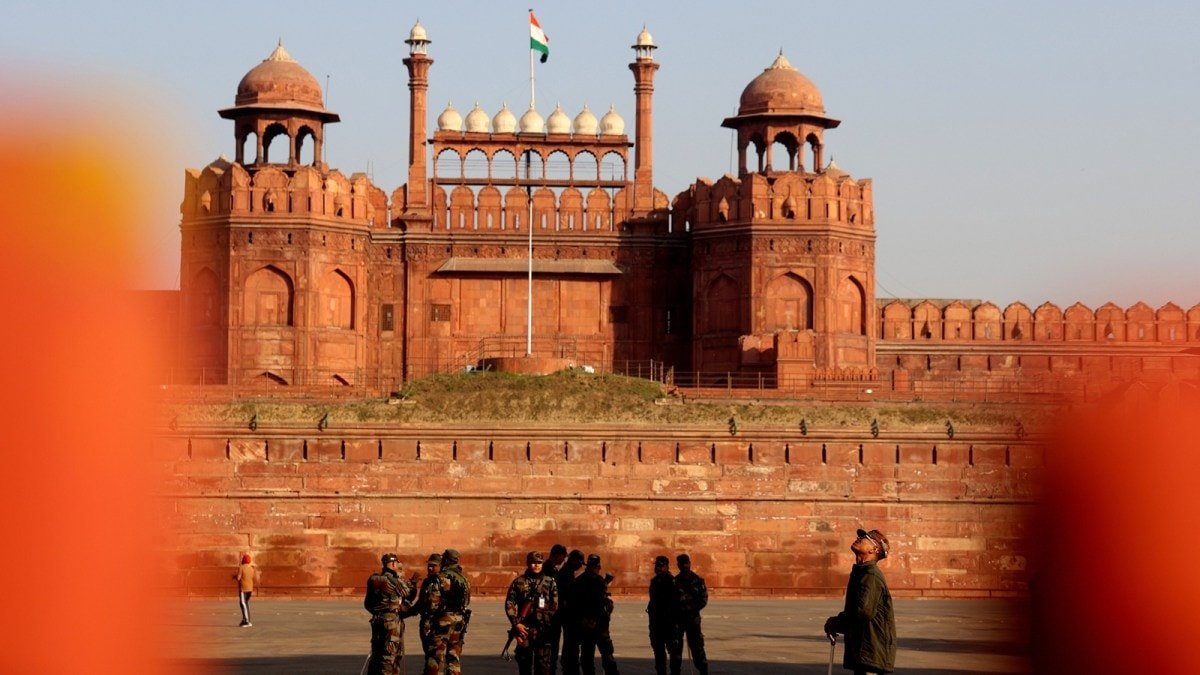
A suspicious car found near Red Fort has triggered heightened security measures in Delhi and renewed focus on preparedness across major heritage and pilgrimage sites. Authorities responded swiftly, sealing the area and initiating checks as part of standard national security protocol.
The suspicious car near Red Fort has once again brought attention to the vulnerability of high value public landmarks in India. The Red Fort is not only a UNESCO World Heritage Site but also a symbolically significant location where the Prime Minister addresses the nation on Independence Day. Any unidentified vehicle found in its vicinity automatically activates a multi layer security response involving local police, bomb disposal squads and intelligence units. While investigations determine whether there was an actual threat, the incident highlights broader national security implications for the capital and for smaller pilgrimage towns across the country.
Immediate Security Response in the National Capital
Delhi Police follow a defined standard operating procedure when an unattended or suspicious vehicle is reported near a sensitive installation. The first step typically involves cordoning off the area to prevent civilian movement. Bomb detection and disposal squads conduct a physical inspection using specialised equipment. Sniffer dogs are deployed, and vehicle registration details are verified through central databases.
The Red Fort falls under a high security zone with layered protection. It is guarded by armed personnel, surveillance cameras and periodic patrols. In recent years, authorities have increased monitoring around heritage sites after past security incidents across India. Even if a suspicious vehicle turns out to be harmless, the drill is treated with utmost seriousness to avoid any lapse. Traffic diversions and temporary public restrictions are common during such alerts.
Why Heritage Sites Remain High Value Targets
Historic monuments such as the Red Fort, India Gate and major temples or shrines carry symbolic value. They attract heavy footfall from tourists and devotees, making them sensitive from a counter terrorism perspective. Security agencies classify these areas as potential soft targets because of the concentration of people and the global attention they command.
India has strengthened surveillance infrastructure over the years. CCTV networks, vehicle scanners and facial recognition systems are gradually being integrated in metropolitan cities. However, the challenge lies in balancing open public access with tight security. Excessive restrictions can disrupt tourism and religious activities, while inadequate checks create vulnerabilities.
Ripple Effect on Smaller Pilgrimage Towns
When a suspicious object is found in the capital, security advisories are often communicated nationwide. Smaller pilgrimage towns such as those hosting major temples, dargahs or gurdwaras typically receive instructions to heighten vigilance. Local police may increase vehicle checks near crowded markets and religious complexes.
Unlike Delhi, many Tier 2 and Tier 3 towns do not have advanced surveillance infrastructure. Police stations often rely on manual patrolling and community intelligence. During heightened alerts, additional forces may be deployed temporarily. Metal detectors and baggage scanners are installed at entry points of prominent religious sites during peak seasons.
Crowd management is another challenge. Pilgrimage towns often witness seasonal surges in visitors. Any security scare can cause panic, which in itself becomes a law and order issue. Authorities must communicate clearly to prevent rumours from spreading on social media.
National Security Framework and Intelligence Coordination
India’s internal security framework involves coordination between central agencies, state police forces and intelligence units. When a suspicious vehicle is reported near a sensitive site in Delhi, information sharing mechanisms are activated. Intelligence inputs are cross checked to rule out any broader threat.
Over the past decade, security agencies have emphasised preventive policing. This includes monitoring abandoned vehicles, verifying parking zones near strategic sites and using data analytics to track unusual patterns. Public awareness campaigns also encourage citizens to report unattended bags or vehicles.
However, urban congestion complicates matters. In densely populated areas, parked vehicles are common, and not every instance indicates a threat. The key lies in rapid assessment without creating unnecessary alarm.
Balancing Security and Public Confidence
Incidents involving suspicious vehicles often generate immediate concern among residents and tourists. Transparent communication from authorities is essential to maintain public confidence. Official briefings that clarify the situation help counter misinformation.
At the same time, frequent drills and visible policing act as deterrents. Increased security presence near the Red Fort or other landmarks reassures citizens that protocols are in place. For smaller towns, even basic measures such as regular patrols and coordinated entry checks during festivals can significantly reduce risk.
The suspicious car near Red Fort may ultimately prove to be a false alarm, but the response underscores the reality that high visibility sites require constant vigilance. For both metropolitan centres and pilgrimage towns, preparedness is an ongoing process rather than a one time effort.
Takeaways
Sensitive heritage sites like Red Fort trigger immediate multi agency security response during alerts.
High footfall and symbolic value make monuments and pilgrimage sites potential targets.
Security advisories often extend beyond Delhi to smaller towns and religious hubs.
Clear communication and preventive policing are key to maintaining public confidence.
FAQs
Q1. What happens when a suspicious car is found near a monument?
Police cordon off the area, deploy bomb disposal squads, verify vehicle details and conduct thorough checks before declaring the site safe.
Q2. Why are heritage sites considered sensitive?
They attract large crowds and hold symbolic national importance, making them potential soft targets.
Q3. Do smaller towns also increase security after such alerts?
Yes, state authorities often issue advisories leading to enhanced checks and patrolling at major religious and public sites.
Q4. How can citizens help during security alerts?
Citizens should avoid spreading rumours, follow official instructions and report unattended objects to authorities promptly.










Leave a comment