

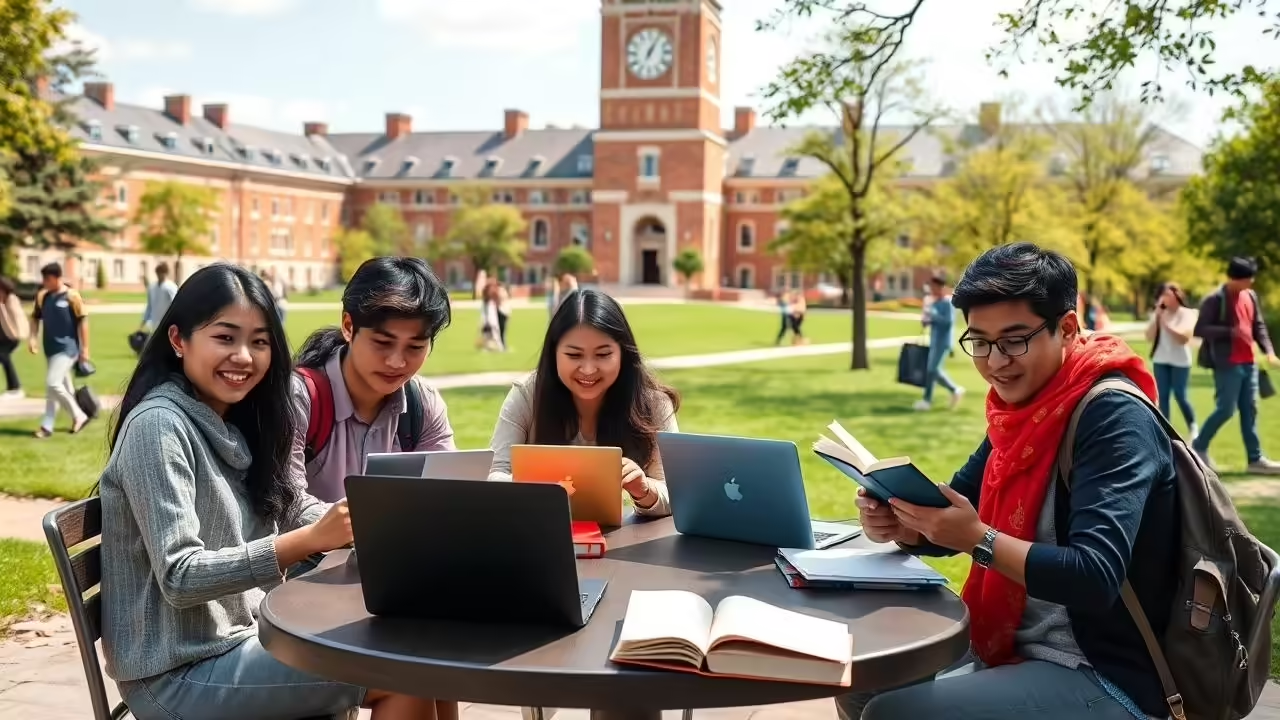
Student life in Tier-2 cities is increasingly shaped by intense JEE pressures and a rising focus on mental health resources. As engineering aspirations grow beyond metros, smaller city students are navigating competitive coaching cultures, family expectations, and new awareness around psychological wellbeing.
Student life in Tier-2 cities has transformed over the past decade due to the expansion of coaching institutes, digital learning platforms, and competitive exam awareness. The Joint Entrance Examination remains one of the most competitive entrance tests in India, with lakhs of aspirants competing for limited seats in premier engineering institutions. This high stakes environment has deeply influenced academic routines, social life, and mental health patterns among students in cities like Kota, Nagpur, Indore, Prayagraj, Ranchi, and Coimbatore.
The Expanding Coaching Ecosystem in Smaller Cities
The rise of JEE coaching hubs is no longer limited to Kota. Tier-2 cities now host national level coaching chains, residential programs, and hybrid learning models. Improved internet access and recorded lecture platforms have made advanced preparation tools accessible outside metros.
Parents increasingly prefer local coaching options to reduce living costs while maintaining competitive preparation standards. As a result, students often begin structured preparation as early as Class 8 or 9. Daily schedules can extend to 10 to 12 hours of combined school and coaching study. Mock tests, rank comparisons, and performance analytics are now routine.
This ecosystem has professionalized exam preparation, but it has also intensified peer comparison. Rankings are publicly discussed in batches. Performance becomes visible and measurable weekly. For adolescents, this creates continuous performance pressure rather than periodic exam stress.
Understanding JEE Pressure and Academic Burnout
JEE pressure in Tier-2 cities often intersects with family expectations. Engineering remains a preferred career path due to job security perceptions and social prestige. In many households, first generation college aspirants carry additional responsibility to uplift family income.
Burnout symptoms are increasingly reported by educators and counselors. These include sleep disturbances, reduced motivation, irritability, anxiety before mock tests, and fear of underperformance. Academic burnout differs from temporary stress. It involves sustained emotional exhaustion and declining engagement with studies.
Competitive exams demand conceptual clarity and long term discipline. However, constant high intensity schedules without structured breaks can reduce cognitive efficiency. Students may continue studying long hours but with lower retention. This creates a cycle of increased effort and reduced outcome, further amplifying stress.
Mental Health Awareness and Resource Availability
Mental health resources in Tier-2 cities are becoming more visible. Schools and coaching centers are slowly integrating counseling support. Some institutes now conduct stress management workshops before major exam phases. Online therapy platforms have also expanded access to psychologists for students in non metro areas.
Government initiatives and educational boards have increased focus on emotional wellbeing campaigns. Helplines, peer support groups, and awareness seminars are more common than a decade ago. Social media discussions around anxiety, depression, and exam stress have reduced stigma to some extent.
However, access remains uneven. While larger Tier-2 cities may have trained counselors, smaller districts still face shortages of mental health professionals. Affordability and cultural hesitation also influence whether students seek help. In many cases, students first confide in teachers or close friends rather than professionals.
Digital Influence on Student Life
Digital platforms play a dual role in shaping student life in Tier-2 cities. On one hand, online lectures, doubt solving forums, and adaptive testing apps enhance preparation quality. Students can access top faculty without relocating.
On the other hand, constant exposure to topper interviews, rank celebrations, and comparison driven content can heighten anxiety. Performance narratives on social media often highlight extreme study routines, which may not reflect balanced preparation strategies.
Many students now follow productivity influencers and exam strategy creators. While some advice is practical, unrealistic expectations around study hours can distort self assessment. Digital discipline has become as important as academic discipline.
Balancing Ambition With Emotional Wellbeing
Sustainable preparation requires structured balance. Educational psychologists emphasize three pillars: realistic goal setting, routine breaks, and sleep hygiene. Evidence shows that consistent sleep improves memory consolidation, which is critical for subjects like physics and mathematics.
Peer support also plays a stabilizing role. Study groups that focus on problem solving rather than competition reduce isolation. Parents who shift from rank focused conversations to effort focused encouragement contribute to healthier outcomes.
Coaching institutes in Tier-2 cities are gradually recognizing that student retention depends on wellbeing. Institutions that integrate counseling, mentorship, and flexible batch systems are seeing better academic consistency among students.
The Future of Competitive Preparation in Smaller Cities
The trend indicates that Tier-2 cities will continue to produce significant numbers of engineering aspirants. Infrastructure, digital penetration, and awareness levels are rising steadily. Alongside academic expansion, mental health discourse is also growing.
The challenge lies in ensuring that JEE preparation does not overshadow adolescence. Students need space for physical activity, social interaction, and hobbies. Balanced development enhances long term resilience, which is essential not only for entrance exams but also for future professional life.
Student life in Tier-2 cities is at a transition point. Academic ambition remains strong, but conversations around emotional sustainability are becoming mainstream. The next phase of education reform may focus as much on psychological infrastructure as on academic excellence.
Takeaways
• JEE preparation in Tier-2 cities has intensified due to expanded coaching access and digital tools
• Academic burnout is a growing concern linked to long study hours and constant performance comparison
• Mental health awareness is increasing, but access to professional support remains uneven
• Balanced routines, parental support, and structured breaks improve sustainable exam performance
FAQs
Q1. Why is JEE pressure high in Tier-2 cities
Engineering remains a highly valued career path, and expanded coaching networks have increased competition and structured preparation intensity.
Q2. Are mental health resources available for students in smaller cities
Availability is improving through school counselors and online therapy platforms, but access still varies by region.
Q3. How can students manage exam stress effectively
Maintaining sleep routines, setting realistic goals, taking scheduled breaks, and seeking support when needed are evidence based strategies.
Q4. Does longer study time guarantee better JEE results
Not necessarily. Quality of study, conceptual clarity, revision cycles, and mental stability are more important than extreme study hours.









Leave a comment