

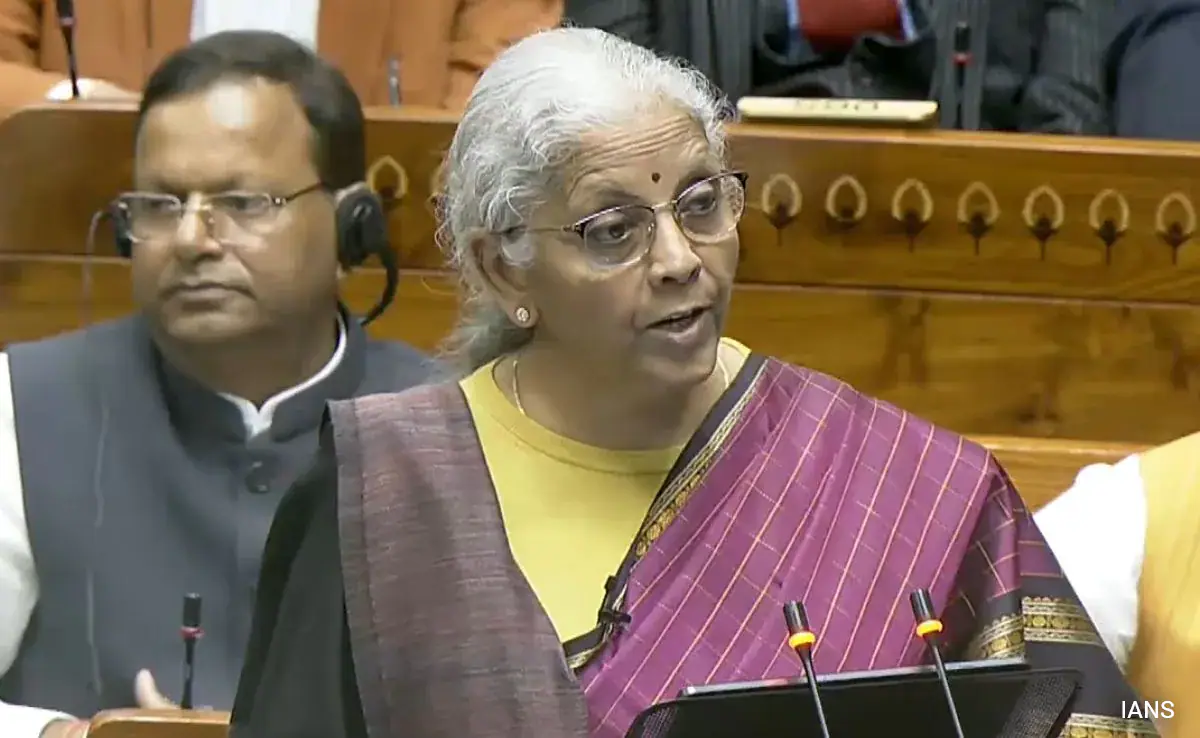
India’s Parliament Budget Session 2026 has sparked major debates on taxation, welfare spending, infrastructure growth, and employment. For the country’s middle class, the session is significant because decisions made here could directly affect household finances, job opportunities, and long term economic stability.
The Parliament Budget Session 2026 has become one of the most closely watched political events in India this year. As Members of Parliament debate financial proposals and policy priorities, the middle class is paying attention to what these discussions mean for taxes, cost of living, housing, and employment. The session is not just about numbers in the Union Budget but about the direction of India’s economic policies in the coming financial year.
Budget Session 2026 and the Focus on Middle Class Tax Relief
One of the most discussed aspects of the Parliament Budget Session 2026 is taxation and relief measures for salaried taxpayers. India’s middle class has been seeking adjustments in income tax slabs, higher deductions, and policies that ease the financial burden caused by rising living costs.
Members of Parliament from both ruling and opposition parties have debated whether current tax structures adequately support salaried professionals. Some lawmakers have pushed for increased deductions under sections related to housing loans, education expenses, and insurance.
The middle class forms a large portion of India’s taxpayers, contributing a significant share to direct tax collections. As a result, the debate around tax relief is not just political but also economic. Any change in tax policies can influence consumer spending, savings patterns, and overall economic demand.
Rising Cost of Living and Household Financial Pressure
Another major issue discussed during the Budget Session is inflation and its impact on everyday expenses. Over the past few years, rising prices of food, fuel, and housing have put pressure on middle income households.
Members of Parliament have raised concerns about the affordability of essential services such as healthcare, education, and transportation. Policy discussions have focused on how government subsidies, welfare programs, and price stabilization measures can help ease the burden.
For example, housing affordability has become a recurring topic in parliamentary debates. Several policymakers have suggested expanding affordable housing schemes and increasing tax benefits for first time home buyers.
The broader concern is that if inflation continues to outpace income growth, middle class purchasing power could weaken. This has implications not only for household budgets but also for the wider economy.
Infrastructure Spending and Job Creation
Infrastructure investment has emerged as another key theme during the Budget Session 2026. The government has emphasized spending on highways, railways, logistics corridors, and digital connectivity.
Supporters argue that strong infrastructure investment creates jobs and stimulates economic activity. Construction projects, transport networks, and digital infrastructure can generate employment opportunities across sectors.
For the middle class, infrastructure development affects daily life in multiple ways. Improved transport systems reduce commuting time, digital connectivity supports remote work and business growth, and urban infrastructure improves quality of life.
Critics, however, argue that infrastructure spending must be balanced with social sector investments. They say that education, healthcare, and skill development programs should also receive adequate attention because they directly influence long term economic mobility.
Welfare Programs and the Debate Over Fiscal Balance
A recurring theme in the Budget Session debates is the balance between welfare spending and fiscal discipline. India runs several large social programs that aim to support lower income households.
While these programs are important for social stability, policymakers are debating how to fund them while maintaining sustainable government finances.
For the middle class, fiscal decisions have indirect consequences. If government borrowing increases significantly, it could influence inflation, interest rates, and the cost of loans.
On the other hand, effective welfare programs can strengthen overall economic demand, which benefits businesses and employment markets.
This balance between welfare spending and fiscal responsibility is likely to remain a central theme in the Parliament Budget Session.
Political Debates and Policy Direction
The Budget Session is also a political arena where parties present their economic vision. Opposition leaders often question government spending priorities, while the ruling party defends its growth strategy.
Issues such as unemployment, small business support, and digital economy policies are frequently raised during parliamentary discussions.
For the middle class, these debates matter because they shape policies related to entrepreneurship, professional employment, and investment opportunities.
In recent years, India’s economy has been transitioning toward technology driven industries and startup ecosystems. Parliamentary discussions about innovation, digital infrastructure, and skill development therefore play a major role in defining future opportunities for young professionals.
Why the Budget Session Matters for Middle Class Families
The outcomes of the Parliament Budget Session often influence everyday economic decisions. Changes in tax policy can affect disposable income. Infrastructure spending can shape job markets. Welfare and subsidy policies can impact inflation and public finances.
For middle class families, the session is not just a political event but a moment that signals the government’s economic priorities for the year ahead.
Policy decisions taken during this period can influence savings, investments, education planning, and long term financial security.
As India continues its economic growth journey, the concerns and aspirations of the middle class are likely to remain at the center of budget discussions in Parliament.
Takeaways
• The Parliament Budget Session 2026 includes major debates on taxation, inflation, and economic policy affecting the middle class.
• Lawmakers are discussing possible tax relief measures, including changes to deductions and income tax slabs.
• Infrastructure investment and job creation are key themes shaping economic planning.
• Fiscal balance between welfare spending and financial stability remains a central policy challenge.
FAQs
What is the Parliament Budget Session in India?
The Budget Session is a key parliamentary period where the Union Budget is presented, debated, and approved. It includes discussions on government spending, taxation, and economic policies.
Why is the Budget Session important for the middle class?
Policies discussed during the session can affect income tax, inflation, employment opportunities, and the cost of essential services.
What economic issues are being debated in Budget Session 2026?
Key debates include tax relief for salaried taxpayers, infrastructure spending, welfare programs, and measures to manage inflation.
Can the Budget Session change tax policies immediately?
Yes. If Parliament approves proposed changes in the Finance Bill, tax policies can be implemented in the upcoming financial year.










Leave a comment