

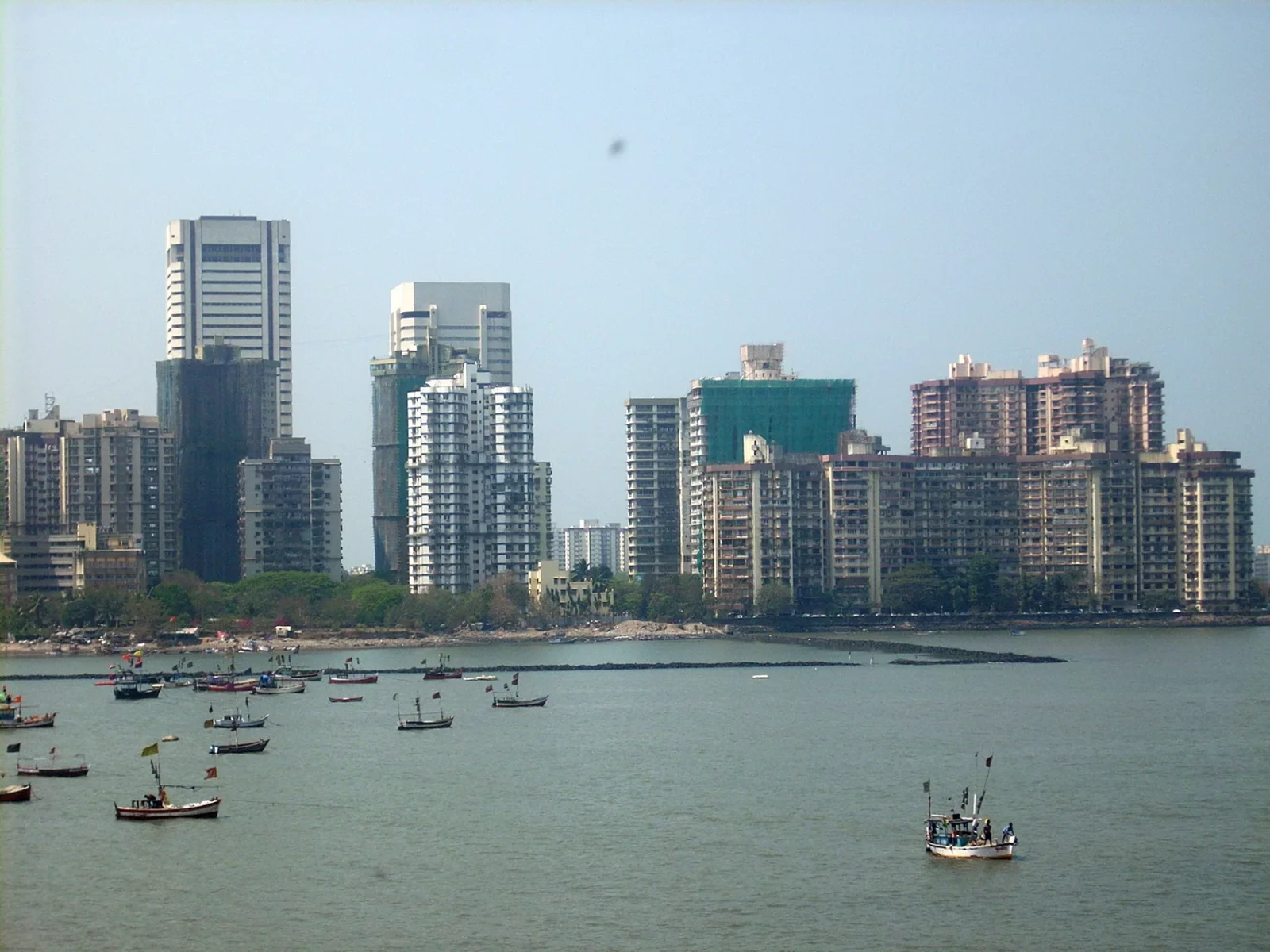
Tier-2 cities across India are becoming increasingly important in national political campaigns. Political parties are focusing more on these rapidly growing urban centers because they represent a large and influential voter base shaping electoral outcomes in both state and national elections.
The role of Tier-2 cities in national political campaigns has expanded significantly in recent years. Cities such as Indore, Nagpur, Lucknow, Surat, Coimbatore, and Patna are no longer seen only as regional hubs. Political parties now consider them critical battlegrounds that can influence election outcomes across entire states. Rapid urban growth, rising middle class populations, and expanding digital connectivity have transformed these cities into politically active centers where campaign strategies are increasingly concentrated.
Why Tier-2 Cities Are Gaining Political Importance
Tier-2 cities in India are growing at a faster pace than many metropolitan regions. Urban expansion, improved infrastructure, and increasing employment opportunities have attracted migrants and young professionals to these cities. As a result, the voter base in these regions has become larger and more diverse.
Political analysts note that these cities often reflect a mix of urban aspirations and local concerns. Issues such as employment, infrastructure development, public transport, housing affordability, and education frequently dominate voter priorities.
For national parties, this creates an opportunity to address both development oriented policies and regional demands within a single campaign message. Because Tier-2 cities are often surrounded by semi urban and rural areas, political momentum built in these urban centers can influence neighboring constituencies as well.
Electoral Demographics and the Expanding Middle Class Vote
The growing middle class population in Tier-2 cities has changed the electoral landscape. Many residents work in service industries, technology sectors, education institutions, and small businesses. Their political priorities often revolve around economic stability, job creation, and quality urban services.
This demographic shift has forced political parties to adjust their campaign messaging. Instead of focusing only on rural welfare or metropolitan issues, parties now craft policies that appeal to aspirational urban voters.
For example, discussions around startup support, digital infrastructure, housing policies, and smart city initiatives frequently appear in election speeches targeting these regions.
Because middle class voters tend to follow political debates closely and consume news through digital platforms, campaigns in Tier-2 cities often include strong social media engagement and targeted outreach strategies.
Infrastructure Development and Urban Policy Debates
Infrastructure development has become a central campaign theme in Tier-2 cities. Government initiatives such as highway expansion, airport upgrades, metro rail projects, and digital connectivity programs have changed the economic landscape of many regional urban centers.
Cities like Nagpur, Indore, and Kochi have seen significant infrastructure improvements over the past decade. Political leaders often highlight these projects during election campaigns as evidence of development.
At the same time, voters in these cities increasingly demand better public transport, waste management systems, healthcare facilities, and education infrastructure.
Urban governance therefore becomes a major political issue. Parties competing in elections frequently present detailed plans for improving city services and attracting investment to regional urban economies.
Role of Digital Campaigning and Social Media Influence
Digital campaigning has amplified the importance of Tier-2 cities in national politics. Internet penetration and smartphone usage have grown rapidly across smaller urban centers, making social media a powerful political communication tool.
Political parties now run targeted digital campaigns aimed specifically at voters in Tier-2 cities. Online town halls, influencer collaborations, and localized social media messaging are common campaign tactics.
Younger voters in these regions actively engage with political content on platforms such as Instagram, YouTube, and messaging apps. This allows campaigns to reach large audiences without relying solely on traditional rallies.
Digital engagement also enables political parties to quickly respond to local issues and public concerns. As a result, campaign strategies are becoming more data driven and region specific.
Why National Parties Are Prioritizing Regional Urban Centers
National political parties recognize that electoral victories often depend on performance across multiple types of constituencies. While metropolitan cities attract media attention, Tier-2 cities collectively represent a large share of the urban electorate.
Winning these constituencies can significantly impact the overall seat count in both parliamentary and state elections.
Another factor is political competitiveness. In many states, Tier-2 cities are areas where multiple parties have strong support bases. This makes them key battlegrounds where campaign resources are heavily invested.
Political strategists therefore focus on candidate selection, local alliances, and targeted policy promises tailored to the concerns of urban voters in these regions.
Future of Political Campaigning in Tier-2 Cities
The influence of Tier-2 cities in national elections is expected to grow further as India’s urbanization continues. Government initiatives aimed at developing regional urban centers are likely to increase their economic and political importance.
Urban voters in these cities are also becoming more politically aware and policy focused. Issues such as environmental sustainability, traffic management, housing affordability, and employment opportunities are expected to shape future campaign narratives.
For political parties, this means that successful campaigns will require deeper engagement with local issues rather than relying only on national level messaging.
As India’s urban landscape evolves, Tier-2 cities will continue to play a decisive role in determining the direction of electoral politics.
Takeaways
• Tier-2 cities are becoming crucial battlegrounds in national and state political campaigns.
• Rapid urban growth and expanding middle class populations are increasing their electoral importance.
• Infrastructure development and urban governance are key issues shaping voter preferences.
• Digital campaigning and social media engagement are transforming political outreach in these cities.
FAQs
What are Tier-2 cities in India?
Tier-2 cities are mid sized urban centers that are smaller than major metropolitan areas but have significant economic and population growth, such as Indore, Nagpur, Lucknow, and Surat.
Why are Tier-2 cities important in elections?
These cities have rapidly growing populations and influential middle class voters who can shape electoral outcomes across surrounding regions.
How are political campaigns targeting Tier-2 cities?
Campaigns focus on infrastructure development, job creation, urban governance, and digital engagement with voters through social media.
Will Tier-2 cities become more politically influential in the future?
Yes. As urbanization continues and economic activity expands in regional cities, their role in elections is expected to grow further.









Leave a comment