

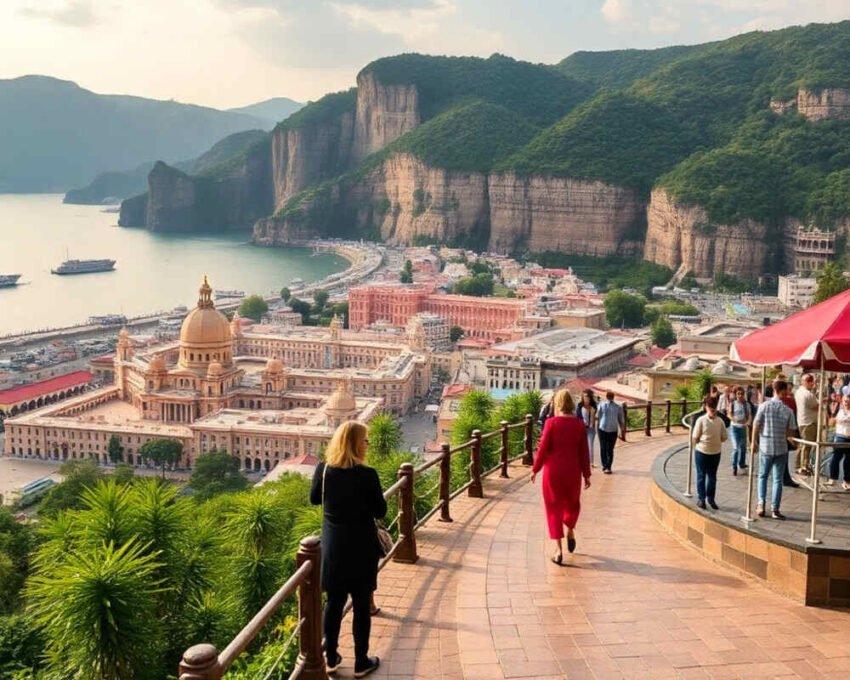
Local tourism in Tier-2 cities is expanding rapidly as travelers explore destinations beyond major metros. Improved connectivity, digital promotion, and cultural interest are helping smaller cities attract visitors, creating jobs and boosting regional economic development across India.
The Growth of Local Tourism in Tier-2 Cities and Its Impact on Regional Economies
The growth of local tourism in Tier-2 cities is becoming an important driver of regional economic development in India. Over the past decade, domestic travelers have increasingly explored smaller cities known for heritage sites, cultural traditions, nature experiences, and regional cuisine. This shift has created new opportunities for businesses, hospitality services, and local communities.
India has traditionally relied on major destinations such as Delhi, Mumbai, Jaipur, Goa, and Agra to attract tourists. However, improved infrastructure, digital travel platforms, and rising interest in authentic experiences are now directing attention toward smaller urban centers. Cities like Udaipur, Mysuru, Indore, Kochi, Varanasi, and Shillong are witnessing a steady increase in domestic tourism.
As local tourism grows, it contributes to employment generation, small business expansion, and broader regional economic growth.
Changing Travel Preferences Among Indian Tourists
One major factor behind the growth of tourism in Tier-2 cities is the changing travel preferences of Indian tourists. Many travelers today are seeking unique cultural experiences rather than only visiting traditional metropolitan attractions.
Short weekend trips have become increasingly popular, especially among young professionals and families living in large cities. Instead of long international holidays, many travelers now prefer exploring nearby destinations that offer heritage architecture, scenic landscapes, and local food culture.
This trend is supported by rising disposable income among the middle class and greater awareness of domestic travel opportunities through social media and travel platforms. Content creators and travel bloggers often highlight lesser known destinations, encouraging more people to visit smaller cities.
As a result, several Tier-2 destinations that were previously overlooked are gaining national attention.
Improved Connectivity Supporting Tourism Growth
Infrastructure improvements have played a major role in making smaller cities more accessible to travelers. Over the past decade, the expansion of highways, regional airports, and railway networks has improved connectivity across India.
Government initiatives such as regional air connectivity programs have introduced flights to cities that previously had limited air travel options. These improvements reduce travel time and make weekend tourism more practical.
Better road connectivity has also encouraged road trips and self drive tourism. Many travelers now prefer driving to nearby destinations within a few hundred kilometers, allowing them to explore regional attractions at their own pace.
Improved connectivity helps tourism businesses grow by increasing visitor flow and making destinations more accessible to both domestic and international travelers.
Impact on Regional Economies and Local Businesses
The rise of local tourism has significant economic benefits for Tier-2 cities and surrounding regions. Tourism creates demand for a wide range of services including hotels, restaurants, transportation, local guides, handicrafts, and cultural experiences.
Small businesses often benefit directly from tourism spending. Local artisans, street food vendors, tour operators, and homestay owners gain new sources of income when visitor numbers increase.
Hospitality infrastructure also expands to accommodate growing demand. New hotels, boutique stays, and eco tourism resorts are opening in several emerging destinations.
In addition, tourism helps preserve traditional arts, crafts, and cultural practices. When visitors show interest in regional heritage, local communities have greater incentives to maintain cultural traditions and historic sites.
For many Tier-2 cities, tourism is becoming a key contributor to economic diversification.
Role of Digital Platforms and Social Media in Tourism Promotion
Digital technology has significantly changed how destinations are discovered and promoted. Social media platforms, travel review websites, and online booking services make it easier for smaller cities to reach potential travelers.
Travel influencers frequently showcase hidden gems, local festivals, and scenic locations through photos and videos. This type of digital storytelling often sparks interest among audiences who may not have previously considered visiting those destinations.
Online booking platforms also simplify travel planning. Visitors can easily compare hotel options, transportation routes, and local attractions. These tools reduce uncertainty and encourage travelers to explore new locations.
As digital visibility increases, smaller cities can compete more effectively with established tourism destinations.
Sustainable Tourism and Future Opportunities
While tourism growth offers many economic benefits, long term sustainability remains an important consideration. Rapid tourism expansion can put pressure on local infrastructure, natural resources, and cultural heritage sites.
Responsible tourism practices are essential to ensure that development remains balanced and environmentally sustainable. Local authorities and tourism businesses are increasingly focusing on eco friendly initiatives such as waste management, heritage preservation, and community based tourism.
Several regions are also promoting rural tourism experiences, nature trails, and cultural festivals to distribute visitor flow more evenly across destinations.
If managed carefully, the growth of tourism in Tier-2 cities can support sustainable economic development while preserving local culture and environmental resources.
Takeaways
• Domestic travel trends are increasing tourism in Tier-2 cities across India.
• Improved infrastructure and connectivity make smaller destinations easier to access.
• Tourism supports local businesses, employment generation, and regional economic growth.
• Digital platforms and social media help promote emerging travel destinations.
FAQ
What are Tier-2 cities in India?
Tier-2 cities are mid sized urban centers that are smaller than major metropolitan cities but still have growing infrastructure, business activity, and population.
Why is tourism increasing in smaller cities?
Improved connectivity, social media promotion, and changing travel preferences have encouraged travelers to explore lesser known destinations.
How does tourism benefit regional economies?
Tourism generates income for hotels, restaurants, transport providers, artisans, and other local businesses, creating jobs and supporting economic growth.
Can tourism development harm smaller destinations?
If not managed properly, tourism can strain infrastructure and natural resources. Sustainable planning is necessary to balance economic growth with environmental protection.









Leave a comment