

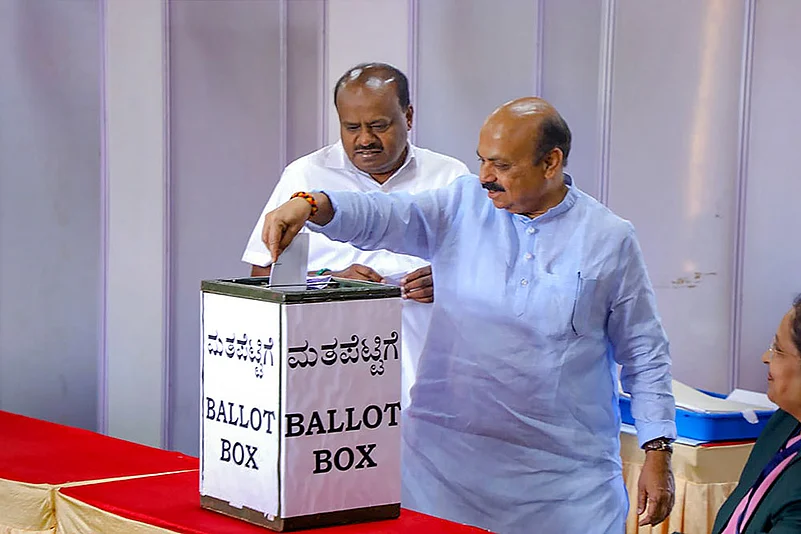
The Rajya Sabha Election 2026 nomination withdrawal deadline is a crucial step in India’s parliamentary election process. It determines the final list of candidates contesting the Upper House seats and often reveals the real political contests taking shape across states.
Rajya Sabha Election 2026 Nomination Withdrawal Process Explained
The Rajya Sabha Election 2026 nomination withdrawal deadline marks the final opportunity for candidates to exit the contest after filing nominations. According to the Election Commission’s procedure, candidates who have filed valid nominations can voluntarily withdraw before the specified deadline.
Once the withdrawal window closes, the list of candidates becomes final. This list determines whether the election will be contested or decided unopposed.
Rajya Sabha members are elected by elected Members of Legislative Assemblies through proportional representation using the single transferable vote system. Because of this method, parties often calculate their numbers carefully before deciding how many candidates to field.
In many cases, political parties initially nominate more candidates than they can comfortably elect. The withdrawal deadline allows them to adjust strategy, avoid vote splits, or negotiate political agreements.
How Rajya Sabha Elections Work in India
Understanding the Rajya Sabha election process in India helps explain why the nomination withdrawal stage is important.
Unlike Lok Sabha elections, Rajya Sabha members are not elected directly by the public. Instead, they are chosen by MLAs in each state assembly. Seats are allocated based on the strength of political parties in the state legislature.
Each MLA casts a vote using a preferential ballot system. Candidates need to secure a required quota of votes to win.
If the number of candidates equals the number of seats available in a state, those candidates are declared elected unopposed. However, when more candidates remain in the contest after the withdrawal deadline, voting becomes necessary.
This is why the final candidate list after withdrawals is closely watched by political observers.
Political Strategy Behind Nomination Withdrawals
The political strategy in Rajya Sabha elections often becomes visible during the nomination withdrawal stage. Parties use this period to reassess their numbers in state assemblies and evaluate their chances.
If a party fields more candidates than its MLA strength supports, it risks losing seats. In such cases, withdrawing a candidate may prevent an embarrassing defeat.
Sometimes withdrawals occur due to political negotiations. Parties may support each other’s candidates in exchange for cooperation on other legislative matters or future elections.
Independent candidates also occasionally withdraw if they lack sufficient backing from legislators.
Political analysts often study these withdrawals to understand shifting alliances and negotiations taking place behind the scenes.
Impact on State Level Political Equations
The impact of Rajya Sabha elections on state politics is significant because the outcome reflects the power balance within state assemblies.
States such as Uttar Pradesh, Maharashtra, Karnataka, Tamil Nadu, and West Bengal often attract national attention during Rajya Sabha elections due to their large number of seats.
If a ruling party in a state has a comfortable majority in the assembly, it can usually secure most of the Rajya Sabha seats allocated to that state. However, closely contested assemblies sometimes produce unexpected outcomes.
In such situations, cross voting or abstentions can influence results.
The withdrawal deadline becomes particularly important in these scenarios because it clarifies whether a direct contest will occur or if candidates will be elected without voting.
Why the Nomination Withdrawal Deadline Is Closely Watched
The importance of the Rajya Sabha nomination withdrawal deadline goes beyond administrative procedure. It signals the real shape of the election battle.
Political parties finalize their strategies by this stage. Media outlets and analysts examine the candidate list to predict possible results.
If a state has more candidates than available seats after the withdrawal deadline, voting will take place among MLAs. This can sometimes lead to intense political maneuvering in the days leading to the election.
On the other hand, if withdrawals reduce the number of candidates to match the available seats, the election may conclude without voting.
For voters and observers, this moment provides a clearer picture of how the Upper House composition might change.
The Rajya Sabha plays a crucial role in India’s parliamentary system. As the Upper House of Parliament, it reviews legislation, represents states, and contributes to national policy discussions. Each election cycle therefore attracts attention from both political parties and the public.
Takeaways
The nomination withdrawal deadline finalizes the list of candidates for Rajya Sabha elections.
Candidates can withdraw voluntarily before the deadline after filing nominations.
The final candidate list determines whether voting will take place or candidates will be elected unopposed.
Political parties often use the withdrawal stage to adjust strategy and avoid losing seats.
FAQ
What is the nomination withdrawal deadline in Rajya Sabha elections?
It is the final date when candidates who have filed nominations can withdraw from the election before the candidate list becomes final.
Why is the withdrawal deadline important?
It determines the final list of candidates contesting the election and helps decide whether voting will be required.
Who votes in Rajya Sabha elections?
Members of Legislative Assemblies in each state vote to elect Rajya Sabha members using a proportional representation system.
Can Rajya Sabha members be elected without voting?
Yes, if the number of candidates equals the number of available seats after withdrawals, those candidates are declared elected unopposed.










Leave a comment