

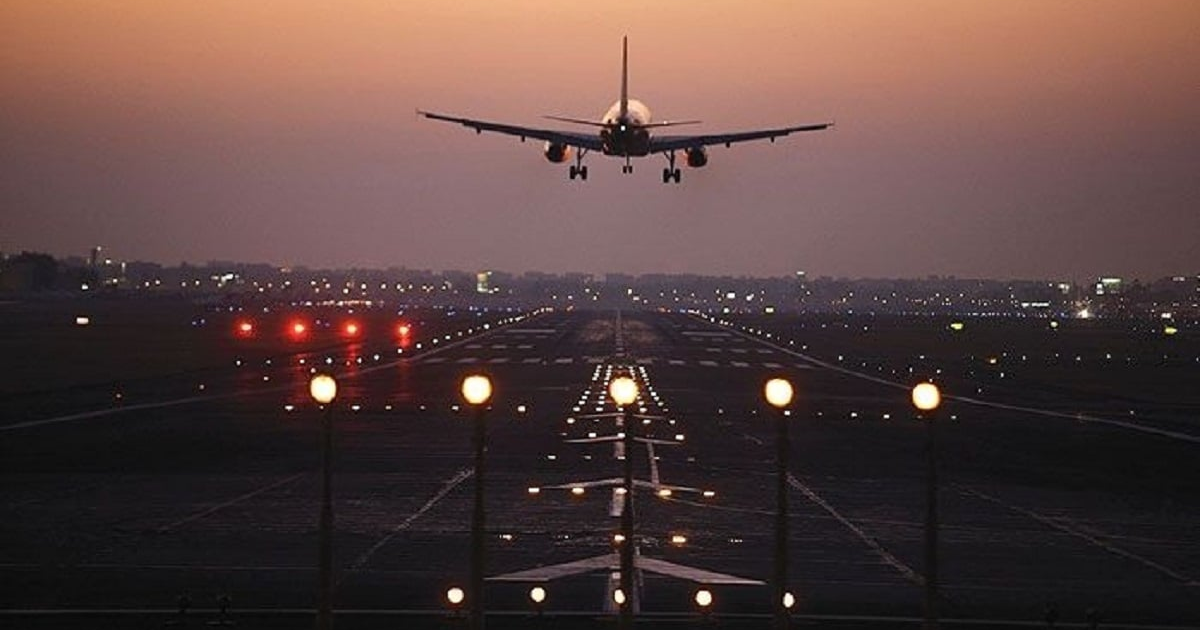
India’s aviation expansion has accelerated the rise of regional airports across the country. New routes, airport upgrades, and the regional connectivity scheme are improving travel access in Tier-2 cities, boosting tourism, trade, and economic development beyond major metro hubs.
India’s Aviation Expansion and the Rise of Regional Airports
The rise of regional airports in India has become a defining feature of the country’s aviation growth strategy. As passenger traffic continues to expand, the government and aviation industry have focused on strengthening connectivity beyond major metro cities like Delhi, Mumbai, and Bengaluru.
India is currently among the fastest growing aviation markets in the world. According to government aviation data, domestic passenger traffic has grown steadily over the past decade, driven by rising incomes, affordable airfares, and expanding airline networks. To accommodate this growth, policymakers have prioritized building and upgrading airports in smaller cities.
The expansion is closely linked to the Regional Connectivity Scheme known as UDAN, which stands for Ude Desh ka Aam Nagrik. The scheme aims to make air travel affordable and accessible by connecting underserved and unserved airports across India. As a result, dozens of smaller airports have become operational, bringing commercial flights to regions that previously relied mainly on rail or road transport.
UDAN Scheme Driving Tier-2 and Tier-3 Airport Development
The UDAN regional connectivity scheme has played a major role in the development of regional airports in Tier-2 and Tier-3 cities. Launched in 2016, the program provides financial incentives and route subsidies to airlines that operate flights between smaller cities.
Through multiple phases of the scheme, hundreds of routes have been awarded connecting cities such as Nashik, Hubballi, Jharsuguda, Darbhanga, and Kishangarh to larger aviation hubs. Many airports that were previously underutilized or inactive have been revived for commercial operations.
For example, Darbhanga Airport in Bihar has rapidly become one of the busiest regional airports after commercial flights began under UDAN. Similarly, airports in cities such as Belagavi and Jharsuguda have seen strong passenger demand since operations started.
The program has also encouraged private airlines to explore new regional markets. Lower airport charges and government support reduce financial risks for airlines operating these routes.
Economic Impact of Regional Airports on Smaller Cities
Regional airports can have a significant economic impact on Tier-2 cities. Improved air connectivity makes it easier for businesses, investors, and tourists to travel quickly to these locations. As a result, cities that were once considered remote are becoming more integrated into national and global economic networks.
For example, cities with operational airports often see growth in sectors such as hospitality, logistics, real estate, and tourism. Hotels, restaurants, and transport services benefit from increased visitor traffic. Industrial investors may also prefer locations with reliable air connectivity for faster executive travel and cargo movement.
In cities like Nashik, which already has strong manufacturing and agricultural industries, better air connectivity helps local exporters connect with national markets more efficiently. Similarly, airports in cities like Indore and Surat support business travel linked to manufacturing and trade.
The presence of an airport can also improve a city’s image as a business destination. Companies evaluating expansion plans often consider transportation connectivity as a key factor.
Tourism Growth Through Improved Regional Air Connectivity
Tourism is another sector benefiting from the rise of regional airports. Many tourist destinations in India are located near smaller cities rather than major metropolitan areas. Direct flights reduce travel time and make these locations more accessible to domestic travelers.
Air connectivity has helped destinations such as Shimla, Dehradun, and Jaisalmer attract more visitors. Improved access also encourages weekend tourism, where travelers prefer shorter flight journeys instead of long road trips.
Religious tourism has also seen benefits. Airports near pilgrimage destinations allow faster access for devotees traveling from different parts of the country. Cities near major temples and heritage sites often see a noticeable increase in tourism after flight services begin.
For local economies, tourism growth translates into higher employment opportunities in hotels, travel services, handicrafts, and local transport.
Challenges Facing Regional Airport Expansion
Despite the positive momentum, regional airport development also faces several challenges. Passenger demand in smaller cities can be unpredictable, especially during the early years of operations. Airlines must carefully manage route profitability while maintaining regular flight schedules.
Infrastructure limitations also remain an issue in some airports. Smaller facilities may need upgrades in runway capacity, terminal size, and security infrastructure to handle increasing traffic.
Another challenge involves airline fleet availability. Regional routes often require smaller aircraft suited for short distances and limited passenger demand. Not all airlines operate such aircraft, which can affect route sustainability.
However, aviation experts believe that continued investment in infrastructure and regional connectivity will gradually strengthen passenger demand and route stability.
Takeaways
• Regional airports are expanding rapidly as part of India’s aviation growth strategy
• The UDAN scheme has revived many underused airports in Tier-2 and Tier-3 cities
• Improved air connectivity boosts tourism, trade, and business investment in smaller cities
• Infrastructure upgrades and consistent passenger demand remain key challenges for regional routes
FAQs
What is the UDAN scheme in India’s aviation sector?
UDAN is a regional connectivity scheme launched in 2016 to make air travel affordable and connect smaller cities with major aviation hubs through subsidized flight routes.
How do regional airports help Tier-2 cities grow?
Regional airports improve connectivity, attract tourism, support local businesses, and encourage investment by making travel faster and more convenient.
Which cities have benefited from new regional airports?
Cities such as Darbhanga, Jharsuguda, Belagavi, and Kishangarh have seen increased passenger traffic and economic activity after the start of commercial flights.
Will India continue expanding regional airports in the future?
Yes. The government plans to develop more airports and expand existing ones as part of long term aviation infrastructure growth.












Leave a comment