

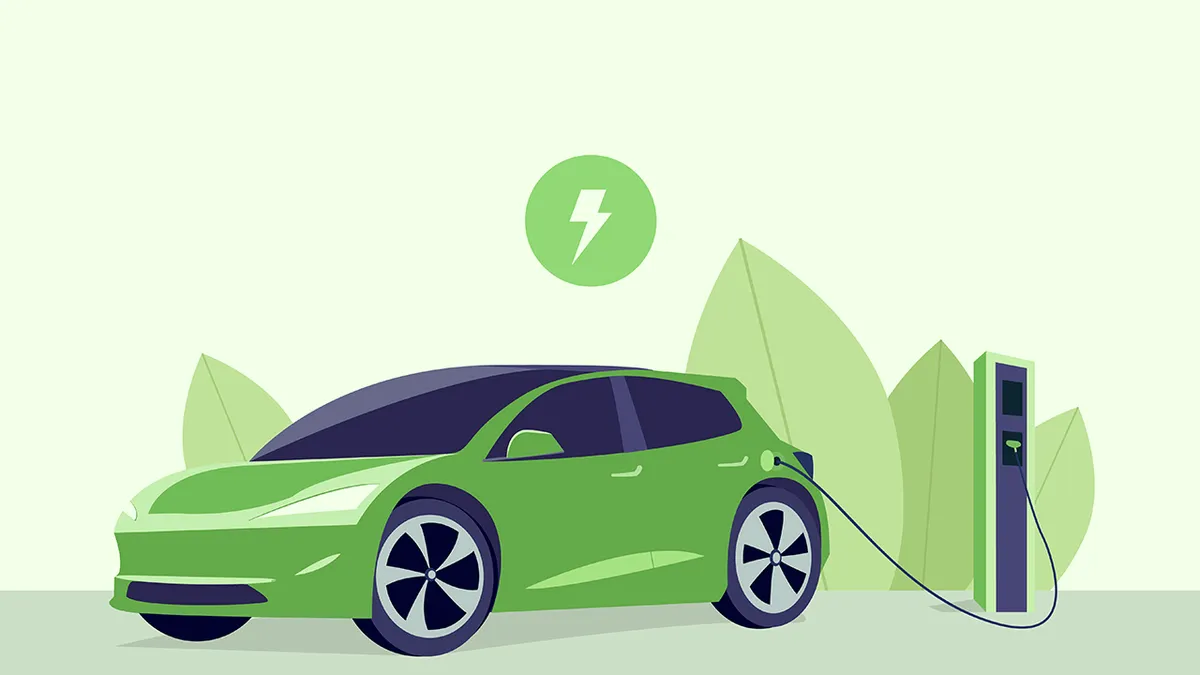
Electric vehicle adoption in smaller Indian cities is accelerating in 2026 as improved charging infrastructure, government incentives, and lower operating costs attract buyers. Tier-2 and Tier-3 markets are emerging as key drivers of EV growth beyond major metro areas.
Growing Electric Vehicle Adoption in Tier-2 and Tier-3 Cities
Electric vehicle adoption in smaller cities has increased noticeably in recent years as India’s EV market expands beyond metropolitan areas. While early adoption was concentrated in cities like Delhi, Bengaluru, and Mumbai, demand is now spreading to Tier-2 and Tier-3 locations.
Several factors explain this shift. EV technology has become more accessible due to falling battery costs and a wider range of electric two wheelers and cars. Manufacturers have introduced models designed for everyday urban commuting rather than premium buyers alone.
Government policies supporting electric mobility have also helped expand adoption. Central incentives under the Faster Adoption and Manufacturing of Electric Vehicles program, along with state subsidies in several regions, have lowered the effective purchase price for many buyers.
As awareness increases and charging networks expand, smaller cities are becoming an important growth market for electric vehicles.
Lower Running Costs Attract Buyers in Smaller Cities
One of the biggest reasons for rising EV adoption in smaller cities is the lower running cost compared to petrol or diesel vehicles. Electric two wheelers and cars typically cost far less to operate per kilometer.
For daily commuters, delivery workers, and small business owners, the savings can be significant. Electricity is generally cheaper than petrol or diesel when calculated per kilometer of travel. Maintenance costs are also lower because electric vehicles have fewer moving parts and do not require oil changes.
In smaller cities where commuting distances are predictable and traffic congestion is relatively lower than major metros, EVs become even more practical. Many buyers find that a single overnight charge can easily cover their daily travel needs.
This cost advantage is particularly appealing for families looking to reduce transportation expenses amid rising fuel prices.
Expansion of Charging Infrastructure in Non-Metro Regions
The growth of EV charging infrastructure has played a crucial role in encouraging adoption in Tier-2 and Tier-3 cities. Earlier, limited charging facilities outside major urban centers created hesitation among potential buyers.
Over the past few years, both government agencies and private companies have expanded charging networks across highways, residential areas, and commercial spaces. Oil marketing companies have installed EV chargers at many petrol pumps, while private firms are developing fast charging stations in urban clusters.
In addition, many electric two wheeler owners charge their vehicles at home using standard electrical outlets. This convenience makes EV ownership feasible even in cities where public charging networks are still developing.
Highway charging corridors are also improving long distance travel options, helping EV users travel between cities with fewer concerns about battery range.
State Policies and Local Incentives Supporting EV Growth
State governments across India are actively promoting electric mobility through policy incentives. Several states offer purchase subsidies, road tax exemptions, and registration fee waivers for electric vehicles.
These incentives can significantly reduce the upfront cost of EV ownership. For example, subsidies for electric two wheelers and cars often bring the effective price closer to that of conventional vehicles.
Many states have also announced policies encouraging the installation of charging stations in residential societies, parking areas, and commercial buildings. Local governments are working with private companies to expand charging networks in growing urban areas.
Such policy support is particularly important in smaller cities where affordability remains a key factor influencing consumer decisions.
Role of Electric Two Wheelers in EV Adoption
Electric two wheelers are playing a major role in expanding EV adoption in smaller cities. Two wheelers dominate India’s vehicle market, especially in Tier-2 and Tier-3 regions where they are often the primary mode of transport.
Electric scooters and motorcycles offer a practical solution for daily commuting, short distance travel, and last mile deliveries. Their lower price compared to electric cars makes them accessible to a wider group of consumers.
Many e commerce and delivery companies are also switching to electric two wheelers for logistics operations. This shift further increases visibility and acceptance of EV technology among local consumers.
As manufacturers introduce more affordable models and battery technology improves, electric two wheelers are expected to remain the main driver of EV growth in smaller cities.
Future Outlook for Electric Mobility in Non-Metro India
The expansion of EV adoption in smaller cities is likely to continue as India pushes toward cleaner transportation. Government targets aim to increase the share of electric vehicles in the country’s mobility mix over the coming years.
Automakers are investing heavily in new EV models designed for Indian road conditions and price sensitive consumers. Battery manufacturing initiatives and local supply chains are also expected to reduce costs further.
As charging infrastructure becomes more widespread and awareness grows, Tier-2 and Tier-3 cities could become one of the fastest growing segments of India’s electric vehicle market.
The transition will also support environmental goals by reducing air pollution and lowering dependence on fossil fuels.
Takeaways
• Electric vehicle adoption is growing rapidly in Tier-2 and Tier-3 Indian cities
• Lower running costs and government incentives are encouraging buyers to switch
• Expansion of charging infrastructure is improving EV accessibility outside metros
• Electric two wheelers remain the biggest driver of EV growth in smaller cities
FAQs
Why are electric vehicles becoming popular in smaller cities?
Lower operating costs, government incentives, and improving charging infrastructure are encouraging buyers in Tier-2 and Tier-3 cities to adopt electric vehicles.
Are electric vehicles cheaper to run than petrol vehicles?
Yes. Electricity typically costs less per kilometer compared to petrol or diesel, and EVs require less maintenance.
Which EV segment is growing fastest in India?
Electric two wheelers are currently the fastest growing segment because they are affordable and suitable for daily commuting.
Will EV charging infrastructure expand further in smaller cities?
Yes. Both government agencies and private companies are continuing to install charging stations in urban areas and along major highways.









Leave a comment