

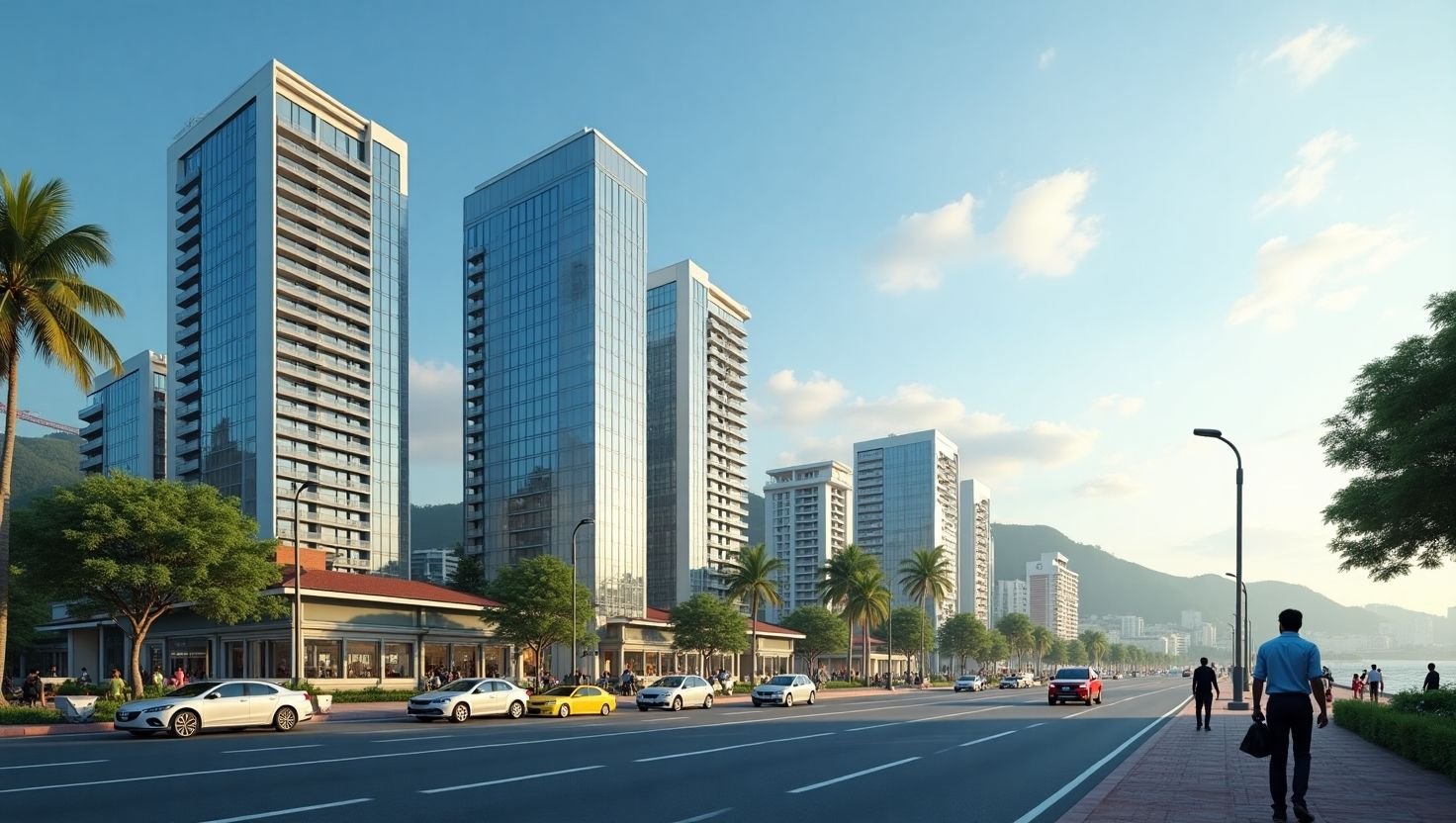
Real estate demand in Tier-2 cities is rising sharply in 2026 as first-time homebuyers look for affordable property, better infrastructure and improved quality of life. Cities such as Nagpur, Indore, Lucknow and Coimbatore are emerging as practical alternatives to expensive metropolitan markets.
Tier-2 Real Estate Demand Gains Momentum Across India
The surge in Tier-2 real estate demand is one of the most significant housing trends in India this year. While metro cities like Mumbai, Bengaluru and Delhi continue to attract buyers, their high property prices and rising living costs are pushing many first-time homebuyers to consider smaller cities.
Tier-2 cities offer a more realistic entry point into homeownership. In many cases, buyers can purchase a spacious apartment for a fraction of the cost of a comparable property in a metro.
This affordability, combined with stronger infrastructure and growing job opportunities, is reshaping the residential property market across India.
Affordable Housing Makes Homeownership More Achievable
For first-time homebuyers, affordability remains the biggest factor.
In Tier-2 cities, property prices are generally lower, and monthly home loan EMIs are more manageable. A buyer in Nagpur or Indore may find a two-bedroom apartment within a budget that would only cover a much smaller unit in a major metro.
Government-backed schemes and tax benefits have also made purchasing a first home more attractive.
Lower registration costs, maintenance charges and daily living expenses further improve the economics of owning a home in smaller cities.
Infrastructure Development Is Improving Connectivity
One reason Tier-2 cities are drawing more homebuyers is rapid infrastructure development.
New highways, metro rail projects, airports and industrial corridors are improving connectivity and boosting the value of surrounding residential areas.
Nagpur, for example, benefits from the MIHAN project and a growing metro network. Indore continues to expand as a commercial and educational center, while cities like Surat and Lucknow are seeing sustained urban investment.
As infrastructure improves, buyers gain confidence that these markets will remain attractive over the long term.
Job Opportunities Are Supporting Housing Demand
Real estate demand usually follows employment growth.
Tier-2 cities are creating more jobs in IT, manufacturing, logistics, healthcare and education. This gives young professionals the confidence to commit to long-term financial decisions such as buying a home.
Remote and hybrid work have strengthened this trend. Many employees no longer need to live in expensive metros and are choosing cities where they can maintain a comfortable lifestyle while building equity through homeownership.
For families, this combination of career opportunity and affordable housing is especially appealing.
Better Quality of Life Is Influencing Buying Decisions
First-time homebuyers are looking beyond price alone.
Tier-2 cities typically offer shorter commutes, lower pollution levels and less congestion than large metros. Families also benefit from access to schools, hospitals and community amenities without the pace and pressure of larger urban centers.
Many buyers prefer the balance these cities provide.
Instead of spending a significant portion of income on rent, they can invest in a permanent home while enjoying a more manageable lifestyle.
Developers Are Launching More Organized Residential Projects
India’s leading developers are increasingly active in Tier-2 markets.
They are launching gated communities with modern amenities such as security, clubhouses, landscaped gardens and dedicated workspaces.
This has improved buyer confidence, particularly among younger professionals who want the same quality standards available in metropolitan projects.
With more transparent practices and stronger regulatory oversight under RERA, first-time homebuyers have greater protection and more information when making purchase decisions.
Investment Potential Adds to Buyer Interest
Many first-time buyers also view their home as a long-term investment.
As economic activity expands and infrastructure improves, property values in well-located Tier-2 cities may appreciate over time.
Rental demand is also increasing in cities with growing student populations and expanding corporate presence.
While housing should primarily meet lifestyle needs, the potential for capital appreciation makes these markets even more attractive.
What This Trend Means for India’s Housing Market
The shift toward Tier-2 cities reflects a broader transformation in India’s residential real estate sector.
Homeownership is becoming more geographically distributed, reducing pressure on metro markets and supporting balanced urban development.
For first-time homebuyers, Tier-2 cities offer an opportunity to enter the property market earlier and with less financial strain.
That is why cities like Nagpur, Indore and Surat are becoming increasingly important to India’s housing story in 2026.
Key Takeaways
- Tier-2 cities offer more affordable property options for first-time homebuyers.
- Better infrastructure and job creation are driving residential demand.
- Lower living costs and improved quality of life make smaller cities attractive.
- Organized residential projects and RERA protections have increased buyer confidence.
Frequently Asked Questions
Why are first-time homebuyers choosing Tier-2 cities?
Lower property prices, manageable EMIs and better quality of life are the main reasons.
Which Tier-2 cities are seeing strong real estate demand?
Nagpur, Indore, Surat, Lucknow, Coimbatore and Jaipur are among the notable growth markets.
Is buying property in a Tier-2 city a good investment?
It can be attractive when the city has strong infrastructure development, job growth and long-term demand.
How has remote work affected homebuying trends?
Remote and hybrid work have allowed professionals to settle in more affordable cities without compromising career opportunities.











Leave a comment