

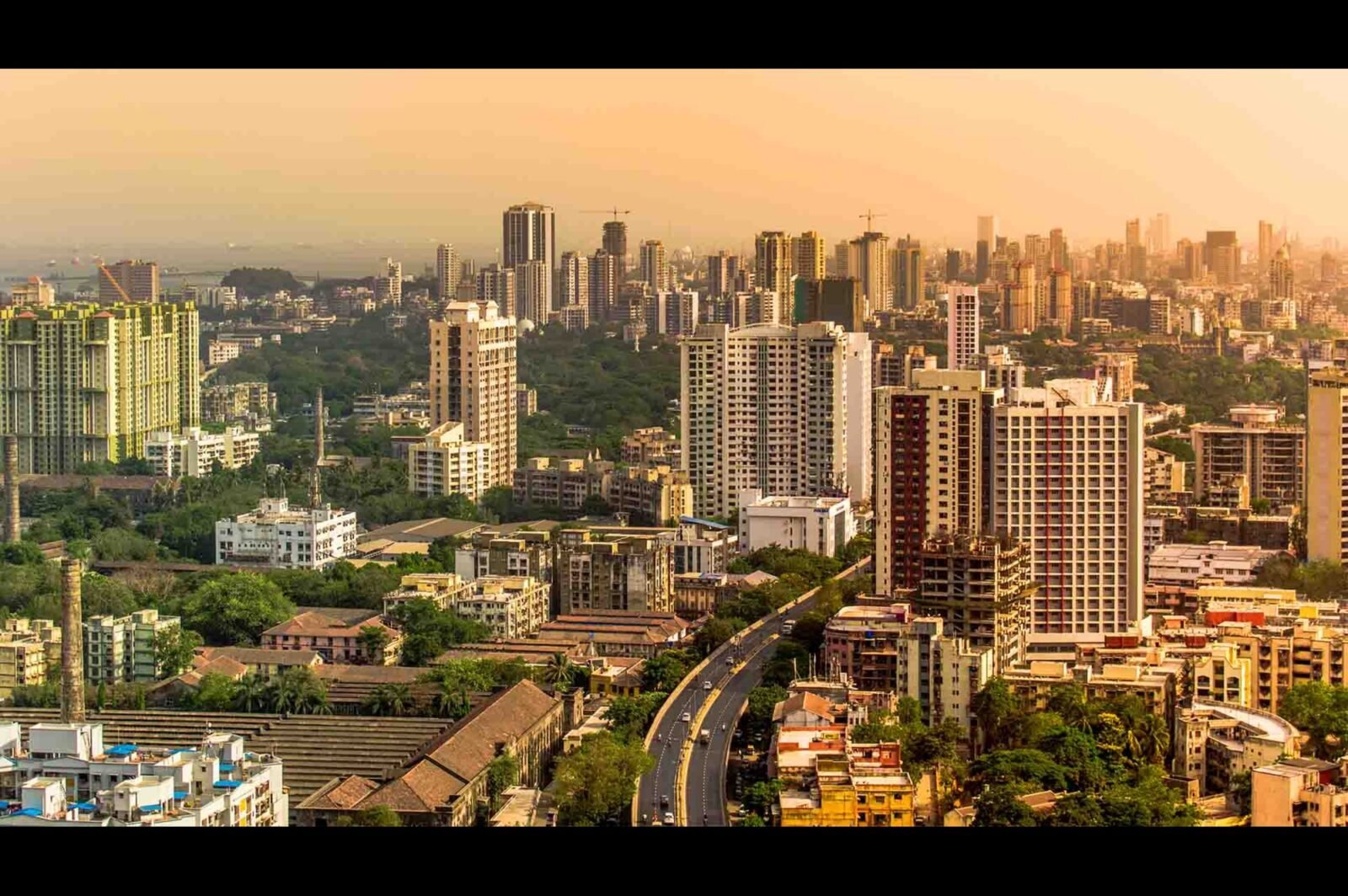
India’s Smart City Mission has invested thousands of crores in urban technology, infrastructure, and public services. By 2026, several Tier-2 cities are showing measurable improvements in transport, surveillance, waste management, and digital governance under these projects.
Smart City Mission and Its Focus on Tier-2 Cities
The Smart City Mission has become one of India’s most significant urban development initiatives aimed at transforming urban infrastructure and governance. Launched in 2015 by the Government of India, the program selected 100 cities to implement technology driven solutions and modern infrastructure.
A large number of the selected cities fall into the Tier-2 category, including Indore, Surat, Nagpur, Coimbatore, Bhubaneswar, and Bhopal. The objective was to demonstrate how medium sized cities could adopt smart infrastructure and data driven governance models to improve urban living.
The mission focused on projects such as integrated command and control centers, smart traffic systems, intelligent surveillance, improved water supply monitoring, and digital public services. Each city created a detailed smart city proposal tailored to its local needs.
More than a decade after the launch of the program, several Tier-2 cities are beginning to show visible outcomes from these investments.
Indore Smart City: Digital Governance and Cleanliness Model
Indore has emerged as one of the most successful examples of a Smart City Mission project in India. The city has consistently ranked at the top of the Swachh Survekshan cleanliness survey and has integrated smart solutions into waste management and public services.
The Indore Smart City initiative introduced GPS based tracking for garbage collection vehicles, enabling authorities to monitor waste management operations in real time. Sensors and digital dashboards help ensure timely collection and improve accountability.
The city also established an Integrated Command and Control Center, which allows officials to monitor traffic flow, public safety cameras, and municipal services from a central location. This technology driven approach has helped streamline urban management and improve emergency response capabilities.
Digital citizen services have also expanded. Residents can access several municipal services through mobile applications and online platforms.
Surat Smart City: Data Driven Urban Management
Surat has long been recognized for efficient municipal management, and the Smart City Mission strengthened this reputation. The Surat Smart City project invested heavily in data analytics, surveillance systems, and public safety infrastructure.
One of the city’s key achievements is its advanced command and control center, which integrates data from traffic signals, CCTV cameras, environmental sensors, and disaster management systems. The platform allows authorities to respond quickly to incidents such as traffic congestion or flooding.
Surat has also implemented smart street lighting across many urban areas. LED lights with automated monitoring systems reduce energy consumption and improve maintenance efficiency.
The city’s digital infrastructure played a crucial role during public health challenges in recent years by enabling real time monitoring and rapid communication between authorities and residents.
Nagpur Smart City: Mobility and Surveillance Improvements
Nagpur’s smart city initiatives have focused strongly on urban mobility and public safety. The city introduced intelligent traffic management systems that synchronize traffic signals and reduce congestion in busy intersections.
Smart surveillance networks have also expanded across the city with thousands of cameras installed in public areas. These systems support law enforcement and help improve road safety.
Nagpur has also invested in smart bus stops, digital ticketing, and improved public transport monitoring. These upgrades aim to make public transport more reliable and accessible for commuters.
Another key component is the development of the Nagpur Integrated Command and Control Center, which coordinates data from various municipal services. The platform allows officials to track city operations and respond to emergencies more efficiently.
Bhubaneswar Smart City: Urban Planning and Public Spaces
Bhubaneswar was one of the first cities selected under the Smart City Mission and has focused heavily on urban planning and public infrastructure. The city implemented area based development projects to upgrade roads, public spaces, and civic facilities in designated zones.
The Bhubaneswar Smart City project also introduced digital governance systems to improve municipal service delivery. Residents can use online platforms to access services such as tax payments, grievance redressal, and permits.
Public transportation improvements have been another priority. The city launched modern bus services with digital tracking systems and mobile apps that help commuters track bus routes and schedules.
These initiatives demonstrate how smart city projects can combine technology with urban planning to improve everyday life.
Challenges in Delivering Smart City Outcomes
Despite success stories, not all smart city projects have delivered equally strong results. Some cities have faced delays in project implementation due to administrative hurdles, funding issues, or coordination challenges between agencies.
Urban experts also note that technology alone cannot solve complex urban problems. Smart infrastructure must be supported by effective governance, trained personnel, and long term maintenance plans.
Another challenge involves ensuring that smart city benefits reach all residents rather than being limited to specific urban zones. Inclusive planning remains essential to ensure that improvements in infrastructure and services benefit the broader population.
Nevertheless, several Tier-2 cities have demonstrated that strategic investment in technology and infrastructure can significantly improve urban management.
Takeaways
• India’s Smart City Mission launched in 2015 targeted 100 cities with technology driven urban projects
• Tier-2 cities such as Indore, Surat, Nagpur, and Bhubaneswar are showing measurable improvements
• Integrated command centers, smart traffic systems, and digital governance are key initiatives
• Long term success depends on effective governance and inclusive urban planning
FAQs
What is the Smart City Mission in India?
The Smart City Mission is a government program launched in 2015 to improve urban infrastructure and governance in 100 selected cities using technology and data driven solutions.
Which Tier-2 cities have successful smart city projects?
Cities such as Indore, Surat, Nagpur, and Bhubaneswar are often cited as examples where smart city initiatives have produced visible improvements.
What technologies are used in smart city projects?
Common technologies include integrated command centers, traffic monitoring systems, CCTV surveillance networks, smart lighting, and digital governance platforms.
Are all smart city projects in India successful?
Some cities have achieved strong results while others have faced delays or limited impact due to administrative and funding challenges.











Leave a comment