

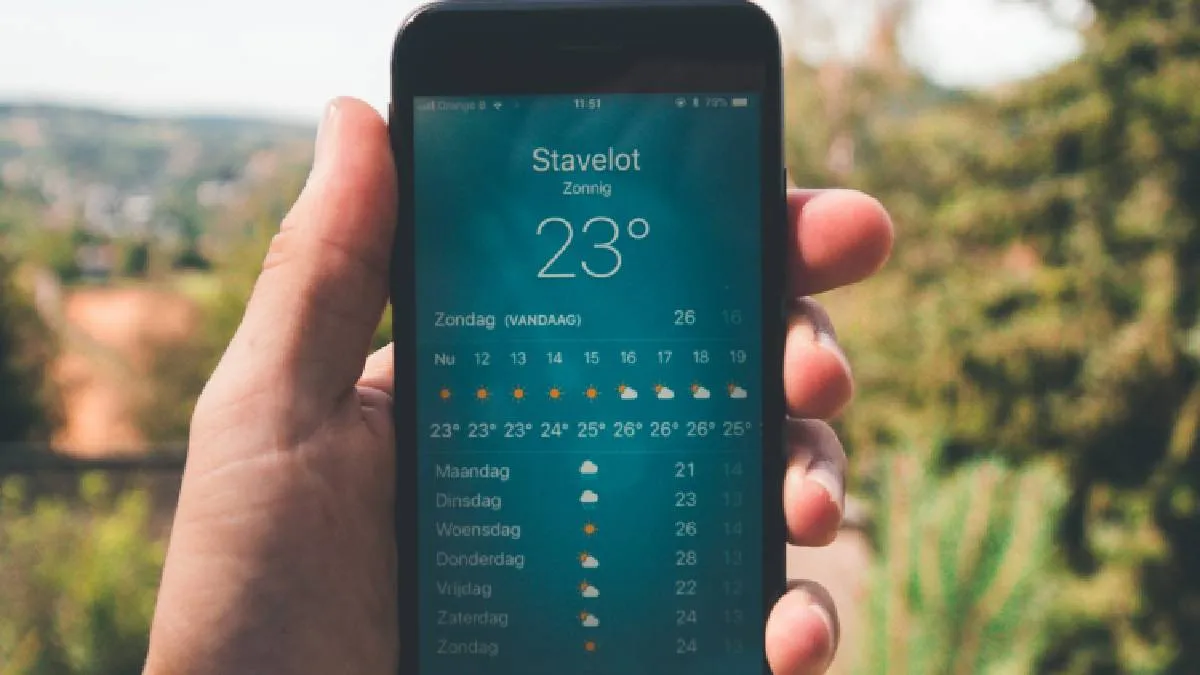
India Meteorological Department weather alerts have been issued for multiple regions this week, warning of thunderstorms, rainfall and temperature fluctuations across several Indian states. Many Tier-2 cities are likely to experience changing weather conditions as pre-summer atmospheric systems begin to strengthen.
The India Meteorological Department (IMD) weather alerts issued this week indicate shifting weather patterns across several parts of the country, particularly affecting Tier-2 cities. From thunderstorms in eastern India to gusty winds in northern regions, the forecast signals a period of unstable weather conditions ahead of the summer season.
IMD Issues Weather Alerts Across Multiple States
The India Meteorological Department regularly releases alerts to inform citizens about upcoming weather risks. In the latest advisory, the IMD has predicted thunderstorms, lightning and moderate rainfall in several states including West Bengal, Jharkhand, Bihar and parts of northeastern India.
Cities such as Kolkata, Ranchi, Patna and Guwahati are expected to see intermittent rainfall and gusty winds during the coming days. These conditions are typically caused by moisture-laden winds interacting with rising temperatures during the pre-monsoon transition period.
Meteorologists say such systems often build rapidly during March and April. Convective activity increases when warm surface temperatures combine with atmospheric instability. This leads to thunderstorms that can produce heavy rainfall in short bursts.
The IMD has also issued advisories for lightning activity in some districts, urging residents to remain cautious during sudden thunderstorms.
Impact on Tier-2 Cities and Regional Infrastructure
While major metropolitan areas often receive greater media attention during weather disruptions, Tier-2 cities frequently face similar risks with fewer resources to respond quickly. Weather alerts are therefore particularly important for cities with rapidly expanding infrastructure.
Many Tier-2 cities are witnessing rapid urban growth, including increased construction, traffic congestion and expanding residential areas. Sudden rainfall or thunderstorms can lead to localized flooding, fallen trees and temporary power outages.
Cities in eastern and northern India often experience short but intense storms during the pre-monsoon period. Strong winds associated with these storms may disrupt transportation and damage temporary structures such as hoardings and construction scaffolding.
Local authorities in several districts have already begun issuing public advisories asking residents to avoid open areas during lightning events and to secure loose outdoor objects.
Weather Pattern Behind Current Thunderstorm Activity
The current weather alerts are linked to typical seasonal shifts that occur before the arrival of the southwest monsoon. During March, temperature differences between northern plains and coastal regions create instability in the atmosphere.
Moisture from the Bay of Bengal often moves inland, interacting with warm land surfaces. This interaction creates cumulonimbus clouds that produce thunderstorms and lightning.
Meteorologists also observe that these pre-monsoon storms are becoming more unpredictable in recent years. Changing climate patterns and increasing surface temperatures are believed to be influencing the intensity and timing of such events.
While the rainfall associated with these storms can bring temporary relief from rising temperatures, it may also cause short-term disruptions in urban areas.
What Residents Should Expect This Week
According to IMD forecasts, many regions may experience scattered rainfall rather than continuous rain. Thunderstorms are expected to occur mainly during late afternoon or evening hours when atmospheric instability peaks.
Residents in Tier-2 cities should be prepared for sudden changes in weather conditions. Strong winds may accompany thunderstorms, occasionally exceeding 40 to 50 kilometers per hour.
Farmers in rural areas surrounding these cities may also be affected. Pre-monsoon storms can damage standing crops, especially in regions where harvesting seasons are approaching.
The IMD recommends monitoring official weather updates through its website and mobile applications, particularly during days when lightning alerts are active.
Urban residents are also advised to remain cautious while commuting during storm activity and to avoid sheltering under trees during lightning events.
Why Early Weather Alerts Are Increasingly Important
Weather alerts issued by the IMD play an important role in reducing the impact of sudden storms and extreme weather events. Early warning systems allow local administrations to prepare emergency services, manage traffic and issue public safety advisories.
As urbanization expands into smaller cities, the need for accurate weather forecasting becomes even more significant. Infrastructure in many Tier-2 regions is still adapting to rapid population growth and changing climate conditions.
Improved forecasting technology, satellite monitoring and radar systems have helped meteorological agencies provide more accurate short-term predictions in recent years.
These systems allow authorities to warn citizens about potential risks several hours or even days before storms arrive, helping reduce damage and improve preparedness.
Takeaways
IMD has issued weather alerts predicting thunderstorms, rainfall and gusty winds in several parts of India this week.
Tier-2 cities may face sudden weather disruptions including lightning activity, localized flooding and strong winds.
The current conditions are linked to seasonal atmospheric instability during the pre-monsoon transition period.
Residents are advised to monitor official IMD forecasts and follow safety guidelines during thunderstorm activity.
FAQs
What does the IMD weather alert mean for Indian cities?
An IMD weather alert indicates the possibility of significant weather events such as thunderstorms, heavy rain or strong winds that may affect public safety and infrastructure.
Which cities are likely to see thunderstorms this week?
Several cities in eastern and northeastern India including Kolkata, Patna, Ranchi and Guwahati may experience thunderstorms and rainfall according to recent forecasts.
Are these storms related to the monsoon season?
No. These are pre-monsoon thunderstorms that commonly occur during March and April due to atmospheric instability and rising temperatures.
How can residents stay safe during lightning storms?
People should avoid open areas, stay indoors during thunderstorms, avoid sheltering under trees and follow weather advisories issued by the IMD.












Leave a comment