

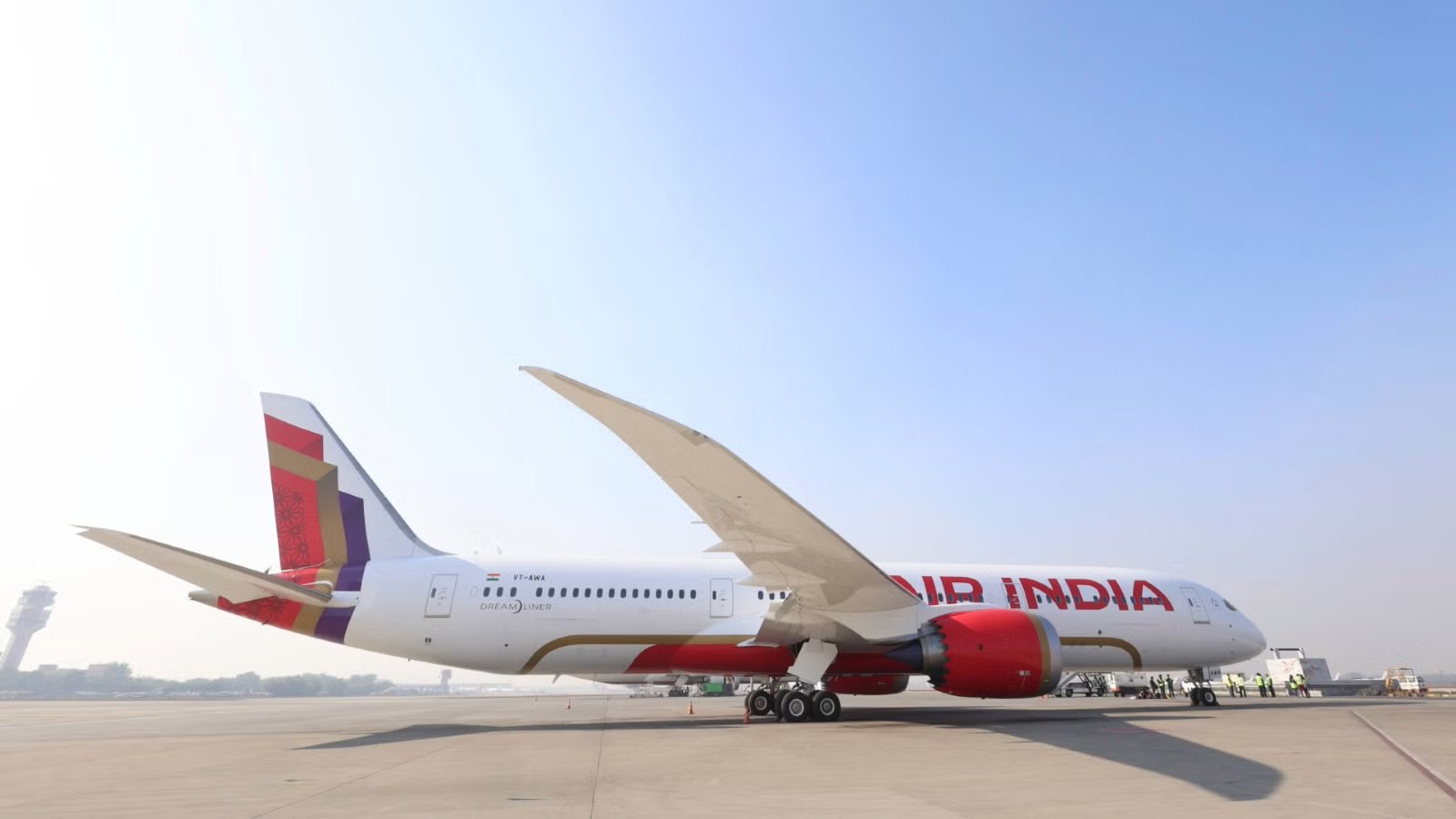
Air India’s expansion of international flights highlights a broader recovery trend in Indian aviation in 2026. Increased routes, capacity additions, and global connectivity indicate improving demand and renewed confidence in long-haul travel from India.
Air India expands international flights at a time when the Indian aviation sector is showing clear signs of recovery after years of disruption. The airline’s move to add more global routes and increase frequency reflects rising passenger demand, improved fleet availability, and stronger international travel sentiment.
Air India’s International Expansion Strategy in 2026
Air India’s international expansion strategy is focused on strengthening connectivity between India and key global markets. The airline has been increasing frequencies on existing routes while also introducing new services to high-demand destinations.
This expansion is supported by fleet modernisation efforts, including the induction of new aircraft and refurbishment of older ones. Improved onboard product and service quality are also part of the airline’s broader transformation plan.
The focus is not limited to metro hubs. There is a growing emphasis on connecting Tier-2 cities through feeder routes, allowing passengers from smaller cities to access international flights more easily via major hubs like Delhi and Mumbai.
Rising International Travel Demand From India
The increase in international flights comes in response to a steady rise in outbound and inbound travel demand. Indian travellers are returning to international travel in large numbers, driven by tourism, business, and education-related mobility.
There has also been a notable increase in diaspora travel, particularly on routes connecting India to North America, Europe, and the Middle East. These routes have traditionally been high-revenue corridors for airlines.
In addition, visa processing improvements and stabilised global travel conditions have contributed to the demand recovery. Airlines are responding by increasing seat capacity to capture this growing market.
Impact on Tier-2 City Connectivity and Accessibility
Air India’s international expansion has indirect benefits for Tier-2 cities. While most long-haul flights operate from metro airports, improved domestic connectivity is enabling passengers from smaller cities to access global routes more efficiently.
Cities like Nagpur, Jaipur, and Lucknow are seeing better integration into the broader aviation network. Passengers can now connect through major hubs with shorter layover times and more scheduling options.
This enhanced connectivity supports business travel, tourism, and student mobility from non-metro regions. It also strengthens the role of Tier-2 cities in India’s overall aviation growth story.
Competition and Market Dynamics in Indian Aviation
Air India’s expansion is also reshaping competition within the Indian aviation market. Other airlines, including IndiGo and international carriers, are closely monitoring capacity increases and route strategies.
IndiGo has been expanding its own international footprint, particularly in short and medium-haul routes. Meanwhile, foreign airlines continue to dominate certain long-haul sectors.
Air India’s aggressive expansion could help it regain market share in international travel, where Indian carriers have historically faced strong competition from global airlines.
Pricing strategies, service quality, and route networks will play a crucial role in determining how this competition evolves in 2026.
Economic and Business Impact of Aviation Recovery
The recovery of the aviation sector has broader economic implications. Increased international connectivity supports trade, tourism, and investment flows, which are critical for economic growth.
For businesses, improved air connectivity reduces travel time and enhances access to global markets. This is particularly important for industries such as IT, manufacturing, and services that rely on international collaboration.
Air cargo capacity also benefits from expanded passenger flights, as belly cargo space becomes more available. This supports exports, especially from sectors like pharmaceuticals and perishable goods.
The ripple effect of aviation recovery extends beyond airlines to airports, hospitality, and local economies.
Challenges That Could Affect Sustained Growth
Despite positive momentum, several challenges remain for Indian aviation recovery. Fuel costs continue to be a major concern, as aviation turbine fuel prices are influenced by global crude oil trends.
Operational constraints such as airport capacity, air traffic congestion, and regulatory complexities can also impact expansion plans.
Additionally, maintaining consistent service quality while scaling operations is a critical challenge for airlines undergoing rapid growth.
Air India’s ability to manage these factors will determine whether its expansion leads to sustained long-term gains.
Takeaways
– Air India’s international expansion reflects rising travel demand in 2026
– Improved connectivity is benefiting passengers from Tier-2 cities
– Increased competition is reshaping the Indian aviation market
– Aviation recovery is supporting broader economic growth and global access
FAQs
Q1. Why is Air India expanding international flights in 2026?
The expansion is driven by rising international travel demand and improved operational capacity.
Q2. How does this impact Tier-2 city passengers?
Better domestic connections allow easier access to international routes via major hubs.
Q3. Is the Indian aviation sector fully recovered?
The sector is recovering, but challenges like fuel costs and infrastructure constraints remain.
Q4. Who are Air India’s main competitors in international travel?
IndiGo and various international airlines compete on different routes and segments.











Leave a comment