

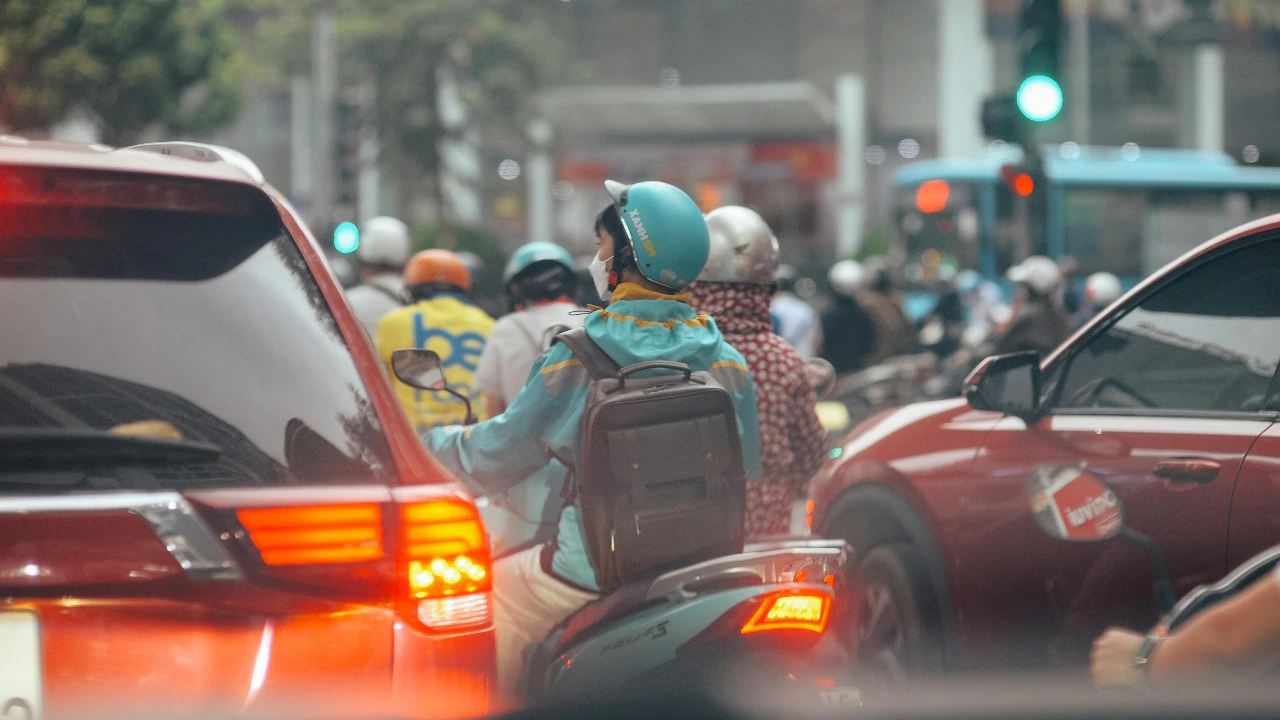
The IPL 2026 traffic impact is becoming a growing concern in Indian cities, especially on match days when road closures and diversions affect thousands of commuters. From office delays to emergency route challenges, the ripple effects are now part of urban life.
Match-Day Traffic Disruptions Are Becoming Routine
The IPL 2026 traffic impact is most visible in major and mid-sized cities hosting matches, where local authorities implement traffic advisories hours before the game begins. Roads around stadiums are often restricted, parking zones are limited, and alternative routes are suggested to manage the surge of vehicles.
In cities like Delhi, Bengaluru, and Pune, these advisories are no longer occasional updates but expected disruptions. Commuters report longer travel times, unexpected detours, and increased congestion in nearby residential and commercial areas. What used to be a few hours of inconvenience is now stretching into full-day traffic slowdowns.
This pattern highlights how large sporting events are reshaping urban mobility, especially in cities already dealing with infrastructure pressure.
Office Commutes and Daily Schedules Take a Hit
One of the most immediate effects of IPL match-day traffic is on working professionals. Offices located near stadium zones often experience late arrivals or early departures, as employees try to avoid peak congestion hours.
In Tier 2 cities hosting occasional matches, the disruption feels even more pronounced. These cities may not have the same level of traffic management systems as metros, making diversions harder to navigate. Public transport also gets crowded, with buses and metro services seeing a spike in usage before and after matches.
For many residents, daily routines now include checking traffic advisories before stepping out. This shift shows how deeply event-based disruptions are influencing time management in urban India.
Local Businesses See Mixed Impact on Match Days
While traffic disruptions create challenges for commuters, local businesses around stadiums experience a different reality. Restaurants, street vendors, and retail shops often see a surge in footfall on match days, especially in the hours leading up to the game.
However, not all businesses benefit equally. Shops that rely on regular local customers sometimes report a drop in sales due to restricted access and parking issues. Delivery services also face delays, affecting customer satisfaction and order volumes.
This creates a mixed economic impact where increased visibility does not always translate into consistent revenue growth.
Emergency Services and Urban Planning Challenges
A critical but less discussed aspect of IPL traffic disruption is its impact on emergency services. Ambulances and fire services can face delays navigating through congested routes, especially in areas with strict traffic diversions.
City planners and traffic police departments are increasingly under pressure to balance event management with essential services. Some cities have introduced dedicated emergency corridors and real-time traffic monitoring systems, but implementation remains uneven.
This raises broader questions about how Indian cities can handle large-scale events without compromising essential mobility.
Rise of Real-Time Traffic Awareness Among Citizens
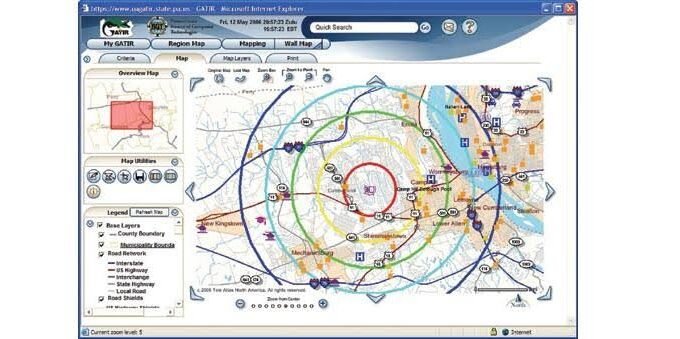
One noticeable shift during IPL 2026 is the growing reliance on real-time traffic updates. Commuters are using navigation apps, social media alerts, and official advisories to plan their routes more efficiently.
This increased awareness is changing commuter behavior. People are choosing flexible work hours, opting for public transport, or avoiding travel altogether during match timings. In a way, IPL has accelerated the adoption of smarter commuting habits, even if the trigger is temporary disruption.
Over time, this could push cities toward more data-driven traffic management systems.
What This Means for Tier 2 and Tier 3 Cities
For smaller cities hosting IPL matches, the experience serves as both a challenge and a learning opportunity. These cities often lack the infrastructure of metros but are now dealing with similar traffic volumes during events.
The IPL 2026 traffic impact in these regions highlights the urgent need for better urban planning, improved public transport, and more efficient traffic control systems. It also shows that growth in entertainment and sports infrastructure must be matched with mobility planning.
As more events move beyond metro cities, these lessons will become increasingly important.
Takeaways
- IPL 2026 match days are causing extended traffic disruptions across Indian cities
- Office commutes and daily routines are increasingly affected
- Local businesses experience both gains and losses due to restricted access
- Emergency services face added pressure during peak congestion hours
FAQs
Q1. Why does IPL cause major traffic disruptions in cities?
Large crowds, restricted parking, and security measures lead to road closures and diversions, causing congestion in surrounding areas.
Q2. Are Tier 2 cities more affected by IPL traffic than metros?
In many cases, yes. Tier 2 cities often have limited infrastructure, making it harder to manage sudden spikes in traffic.
Q3. How can commuters avoid match-day traffic issues?
Checking traffic advisories, using navigation apps, and adjusting travel timings can help reduce delays.
Q4. Do IPL matches benefit local businesses despite traffic problems?
Some businesses near stadiums see increased footfall, but others may lose regular customers due to access restrictions.






Leave a comment