

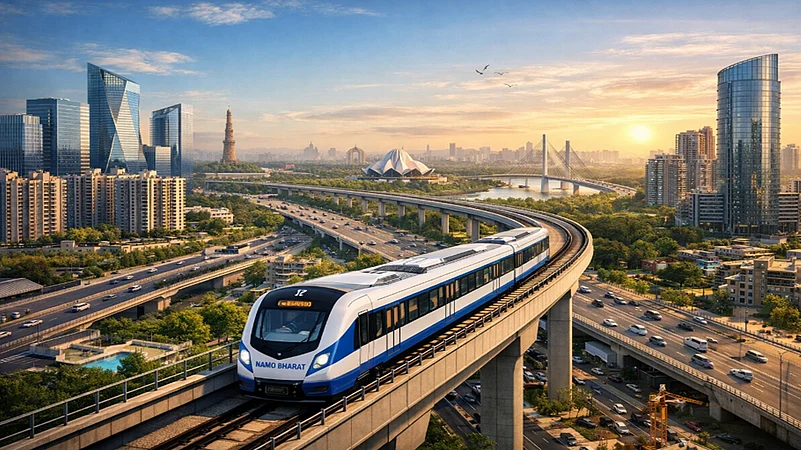
The rise of regional infrastructure projects in India’s non-metro regions is transforming connectivity, economic activity, and investment patterns. From highways to airports and logistics hubs, smaller cities are becoming central to India’s next phase of development.
Rise of Regional Infrastructure Projects Gains Momentum
The rise of regional infrastructure projects in India’s non-metro regions reflects a strategic shift in development priorities. Government initiatives and increased budget allocations have focused on improving connectivity beyond major metropolitan areas.
Projects such as national highways expansion, regional airports under the UDAN scheme, and dedicated freight corridors are improving access to smaller cities. These developments are not isolated. They are part of a broader effort to reduce regional imbalances and unlock economic potential across states.
As a result, non-metro regions are seeing faster integration into national supply chains and business networks.
Highway and Road Connectivity Driving Economic Activity
Highway development remains one of the most visible aspects of infrastructure growth in smaller cities. Improved road networks have reduced travel time between cities, making transportation of goods more efficient.
Corridors connecting industrial zones with ports and urban centers are enabling smoother logistics operations. For example, improved highways in states like Maharashtra, Gujarat, and Uttar Pradesh have strengthened regional trade.
Better connectivity also supports local businesses, allowing them to expand their reach beyond city limits. This shift is particularly important for small and medium enterprises that rely on cost-effective transportation.
Expansion of Regional Airports and Air Connectivity
Regional air connectivity has improved significantly with the expansion of smaller airports. The UDAN scheme has played a key role in connecting previously underserved cities to major aviation networks.
Cities like Jharsuguda, Hubballi, and Darbhanga have seen increased passenger traffic after airport upgrades. This has made travel more accessible for both business and tourism purposes.
Improved air connectivity also attracts investment, as companies prefer locations that offer easier access for executives and supply chains. This trend is gradually positioning non-metro cities as viable alternatives to congested metros.
Industrial Corridors and Logistics Hubs Boost Growth
Industrial corridors and logistics hubs are emerging as key drivers of regional development. Dedicated freight corridors are improving the speed and efficiency of goods movement across long distances.
Logistics parks in non-metro regions are reducing transportation costs and improving storage capabilities. These hubs often attract manufacturing units, warehousing companies, and e-commerce players.
States are also competing to develop industrial clusters that focus on specific sectors such as textiles, electronics, and food processing. This targeted approach helps create employment opportunities and strengthens local economies.
Impact on Real Estate and Urban Expansion
Infrastructure development is directly influencing real estate growth in smaller cities. Improved connectivity increases land value and encourages residential and commercial development.
Cities that were once considered peripheral are now attracting housing projects, retail spaces, and office developments. This expansion is not limited to city centers but extends to surrounding areas connected by new roads and transport links.
However, rapid growth also brings challenges. Urban planning needs to keep pace with development to avoid issues such as congestion and unplanned construction.
Employment Generation and Local Opportunities
One of the most significant outcomes of regional infrastructure projects is job creation. Construction activities generate immediate employment, while long-term projects support jobs in manufacturing, logistics, and services.
Local populations benefit from improved access to markets and employment opportunities within their regions. This reduces migration pressure on metro cities and promotes balanced urban growth.
Skill development programs are also being aligned with infrastructure projects to prepare the workforce for new roles in emerging sectors.
Challenges in Execution and Long-Term Sustainability
Despite progress, infrastructure development in non-metro regions faces several challenges. Land acquisition delays, funding constraints, and coordination issues can slow project execution.
Environmental concerns and sustainability are also becoming important considerations. Large-scale projects need to balance economic benefits with ecological impact.
Ensuring timely completion and efficient maintenance of infrastructure will be critical to sustaining long-term growth.
What This Means for India’s Development Strategy
The rise of regional infrastructure projects signals a shift toward more inclusive development. By strengthening non-metro regions, India is creating multiple growth centers rather than relying solely on major cities.
This approach supports economic diversification and reduces pressure on urban infrastructure in metros. It also aligns with long-term goals of improving logistics efficiency and boosting domestic manufacturing.
As these projects continue to expand, non-metro regions are likely to play an increasingly important role in India’s economic trajectory.
Takeaways
- Regional infrastructure projects are transforming connectivity in non-metro India
- Highways, airports, and logistics hubs are driving economic activity
- Infrastructure growth is creating jobs and boosting local economies
- Effective planning and execution remain key challenges
FAQs
Q1. What are regional infrastructure projects in India?
They include highways, airports, industrial corridors, and logistics hubs developed in non-metro regions to improve connectivity and economic growth.
Q2. How do these projects benefit smaller cities?
They improve transport, attract investment, create jobs, and enhance access to markets and services.
Q3. What is the role of the UDAN scheme?
It focuses on improving regional air connectivity by making air travel accessible and linking smaller cities to major networks.
Q4. What challenges do these projects face?
Common issues include land acquisition delays, funding constraints, and environmental concerns.











Leave a comment