

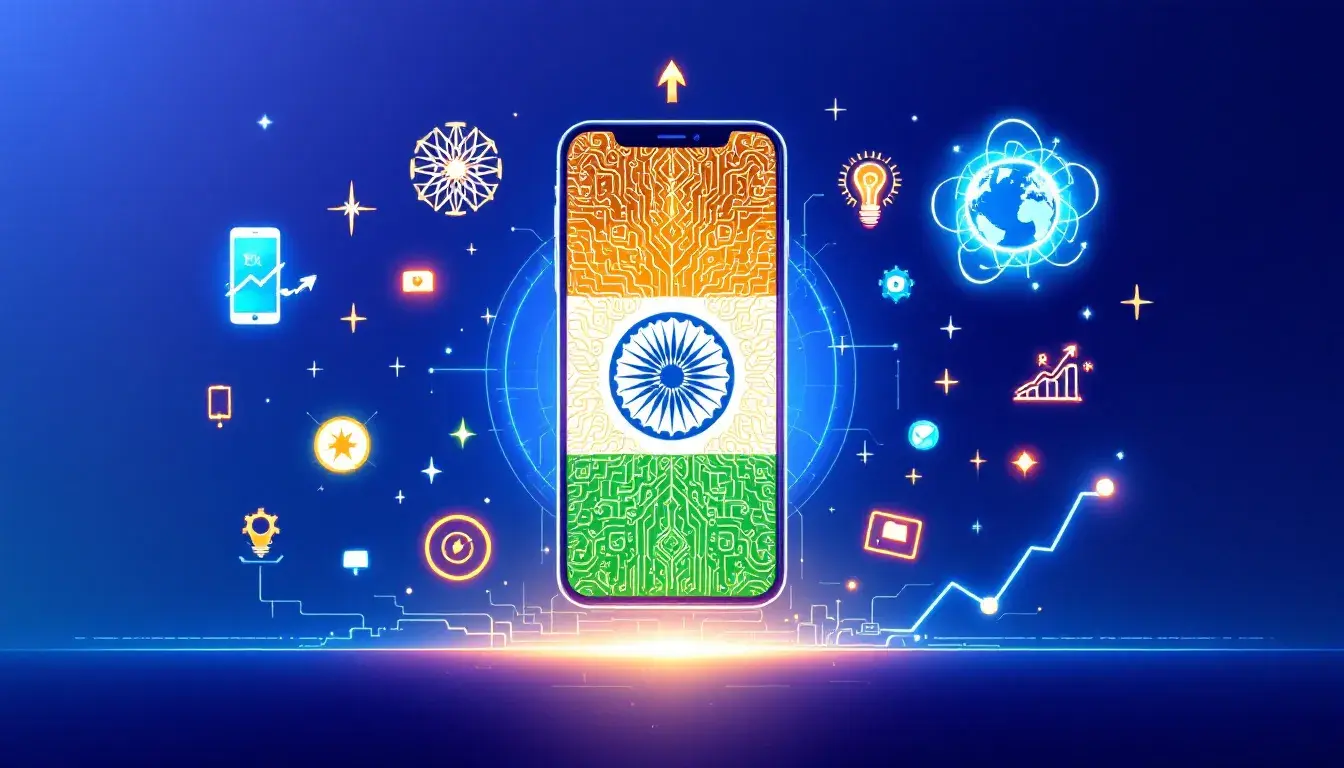
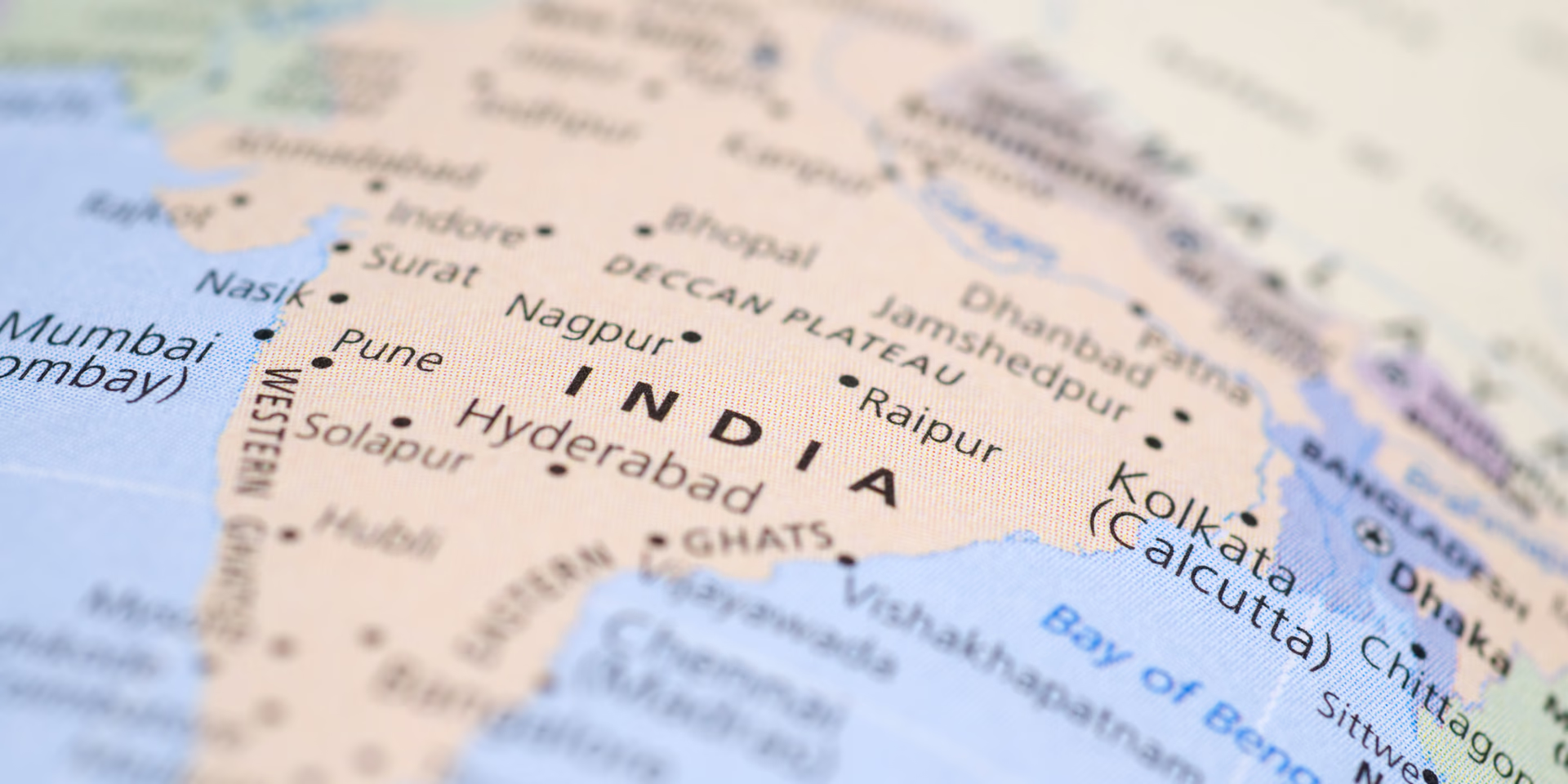
Nagpur, Indore, Surat, and Patna are emerging as major contributors to India’s digital small-town economy in 2026. These cities are witnessing rapid growth in e-commerce, startups, digital payments, creator culture, and technology adoption, reshaping the country’s economic landscape beyond metro cities.
India’s digital small-town economy is expanding faster than ever, and cities like Nagpur, Indore, Surat, and Patna are leading this transformation. For years, India’s digital growth story was heavily centered around metros such as Mumbai, Bengaluru, Delhi, and Hyderabad. In 2026, the momentum has clearly shifted toward Tier-2 cities.
These emerging urban centers are becoming hotspots for online businesses, startup ecosystems, digital creators, local entrepreneurs, and tech-driven consumers. Affordable internet access, rapid smartphone penetration, and growing digital awareness are helping smaller cities compete with larger metropolitan regions.
The rise of these cities reflects a broader economic shift in India where non-metro consumers are becoming central to online commerce, fintech adoption, and digital entrepreneurship.
Nagpur’s Strategic Growth in Digital Commerce and Logistics
Nagpur has positioned itself as one of central India’s fastest-growing digital business hubs. Its geographical location makes it an important logistics and warehousing center for companies expanding across India.
Major e-commerce companies and supply chain operators are increasingly investing in warehouse infrastructure around Nagpur because it provides connectivity to multiple states. Faster delivery networks have encouraged online shopping growth among local consumers.
The city is also witnessing a rise in digital-first businesses and local startups. Young entrepreneurs are using Instagram stores, WhatsApp Business, and online marketplaces to sell products beyond Maharashtra.
Educational institutions and improving internet infrastructure are also helping Nagpur build a strong digital workforce. Freelancing, remote jobs, digital marketing services, and content creation are becoming more common among younger professionals.
Indore Is Emerging as a Startup and Technology Hub
Indore has steadily built a reputation as one of India’s most business-friendly Tier-2 cities. The city’s startup ecosystem has expanded significantly in recent years due to lower operational costs and improving digital infrastructure.
Several technology startups, fintech companies, and D2C brands are now operating from Indore instead of shifting entirely to larger metros. Co-working spaces, startup incubators, and entrepreneurship programs have also supported this growth.
Indore’s digitally active youth population plays a major role in the city’s transformation. Online education platforms, digital payments, app-based services, and creator-driven businesses have become part of everyday life.
The city has also benefited from strong urban administration and infrastructure improvements. Better roads, cleaner public spaces, and organized business zones make it attractive for both businesses and professionals looking for alternatives to expensive metro cities.
Surat’s Business Community Is Accelerating Digital Adoption
Surat has long been known for its textile and diamond industries. In 2026, the city is also becoming an important player in India’s digital economy.
Traditional businesses in Surat are rapidly adapting to online commerce and digital operations. Textile traders and manufacturers are increasingly using B2B marketplaces, digital payment systems, and social commerce platforms to expand nationally and internationally.
Many small and medium-sized businesses in Surat now rely heavily on WhatsApp marketing, Instagram promotion, and direct online sales. The shift became stronger after businesses realized the importance of digital visibility during recent years.
Surat’s entrepreneurial culture has made digital adoption faster compared to many other Tier-2 cities. Younger business owners are investing in e-commerce websites, influencer collaborations, and online customer engagement strategies.
The city is also witnessing rising demand for digital marketing agencies, content creators, and online branding services, creating new employment opportunities for local youth.
Patna Is Experiencing Rapid Growth in Digital Consumer Markets
Patna is emerging as one of eastern India’s fastest-growing digital consumer markets. Rising smartphone usage and improved internet connectivity have transformed online behavior in the city.
Consumers in Patna are increasingly using digital platforms for shopping, food delivery, online education, banking, and entertainment. E-commerce companies are seeing strong customer growth from Bihar, especially among younger buyers.
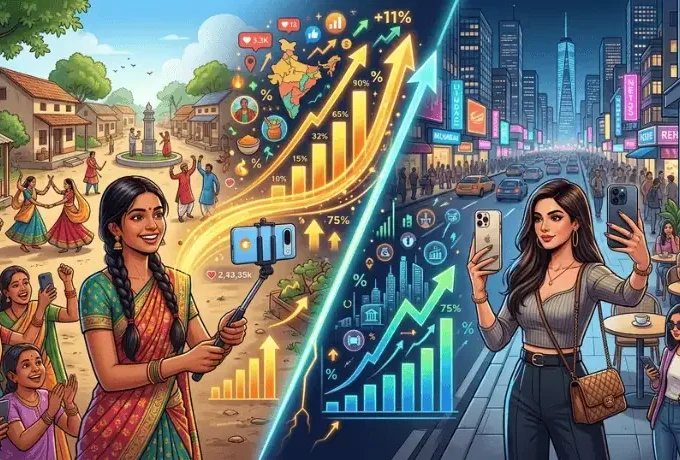
The city is also witnessing growing participation in the creator economy. Regional content creators from Patna are building large audiences through YouTube, Instagram, and short-video platforms using Bhojpuri and Hindi-language content.
Edtech and government exam preparation platforms are especially popular in Patna because of the city’s large student population. Many students now depend on digital learning tools instead of traditional coaching methods alone.
Improved digital payments through UPI and mobile banking have further increased consumer confidence in online transactions.
India’s Digital Economy Is No Longer Metro-Centric
The rise of Nagpur, Indore, Surat, and Patna shows that India’s digital economy is no longer limited to large metropolitan regions. Smaller cities are now contributing significantly to online commerce, startup growth, digital services, and internet culture.
One important factor behind this change is affordability. Living costs and business expenses are lower in Tier-2 cities, making them attractive for entrepreneurs and remote workers.
Government-led digital infrastructure expansion has also played a role. Faster internet access, banking inclusion, and digital payment systems have helped millions of people participate in the online economy for the first time.
Brands and startups are now designing products specifically for non-metro audiences. Regional language support, hyperlocal delivery services, and creator-driven marketing campaigns are becoming key business strategies.
The Next Phase of India’s Digital Growth
Industry experts believe India’s next wave of internet and consumer growth will come primarily from smaller cities and semi-urban regions. Metro markets are already highly competitive, while Tier-2 cities continue to offer major expansion opportunities.
The digital transformation of cities like Nagpur, Indore, Surat, and Patna is creating new jobs in logistics, e-commerce, fintech, digital marketing, customer support, and online content creation.
As internet access improves further and local entrepreneurship grows, these cities are expected to become even more influential in shaping India’s digital economy over the next decade.
Key Takeaways
- Nagpur, Indore, Surat, and Patna are emerging as major digital growth centers in India
- E-commerce, digital payments, startups, and creator culture are driving local economies
- Lower business costs and improving infrastructure are attracting entrepreneurs to Tier-2 cities
- Regional language content and social commerce are accelerating digital adoption
FAQ
Why are Tier-2 cities important for India’s digital economy?
Tier-2 cities offer large untapped consumer markets, lower operational costs, and rapidly growing internet usage, making them attractive for businesses and startups.
Which industries are growing fastest in these cities?
E-commerce, fintech, logistics, digital marketing, content creation, and online education are among the fastest-growing sectors.
Why is digital adoption rising in smaller cities?
Affordable smartphones, cheaper internet access, UPI payments, and regional-language content have made digital platforms easier to use for non-metro consumers.
How are local businesses benefiting from digital growth?
Small businesses can now sell products online, reach national customers, and use social media marketing to grow faster than through traditional offline methods.







Leave a comment