

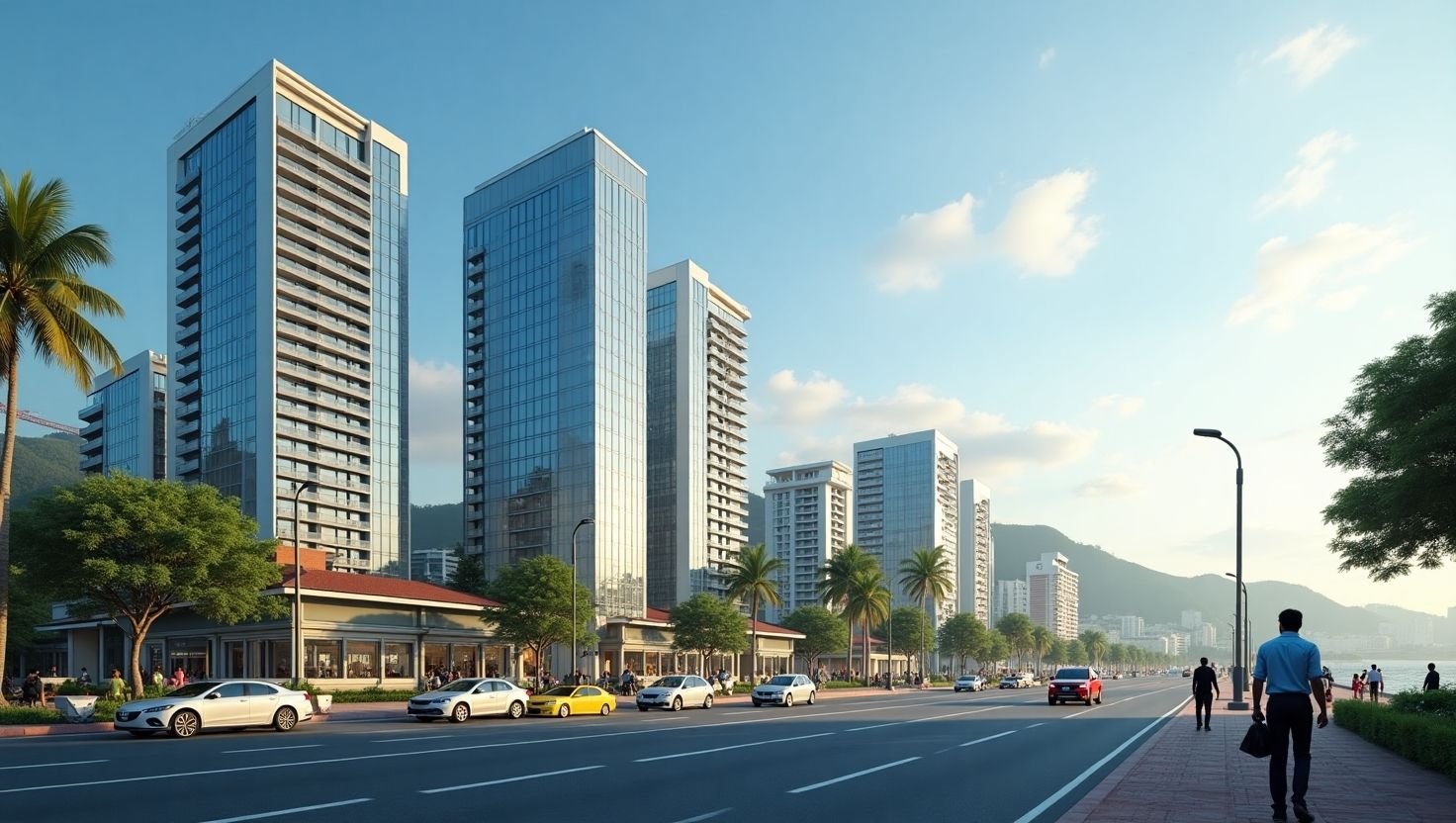
A growing number of young professionals are moving back to Tier-2 cities after spending years in major metropolitan areas. Rising living costs, remote work opportunities, better quality of life, and improving infrastructure are making smaller cities an attractive alternative to India’s crowded urban centers.
The Reverse Migration Trend Is Gaining Momentum
For decades, India’s largest cities such as Mumbai, Bengaluru, Delhi, Hyderabad, and Pune attracted ambitious young professionals seeking better jobs and career growth. These metro cities became symbols of opportunity, offering access to leading companies, higher salaries, and professional networks.
However, a noticeable shift has emerged in recent years. Many professionals who once moved to metropolitan areas are now returning to Tier-2 cities such as Nagpur, Indore, Jaipur, Surat, Coimbatore, Lucknow, Bhubaneswar, and Mysuru. While migration to metros continues, the reverse movement is becoming increasingly visible across industries including technology, finance, consulting, education, and digital services.
This trend is not driven by a single factor. Instead, it reflects changing priorities among young professionals who are reassessing what they want from their careers and personal lives.
Remote Work Has Changed Location Preferences
One of the biggest reasons behind this shift is the widespread adoption of remote and hybrid work models. The pandemic accelerated digital transformation across industries, proving that many jobs can be performed effectively without daily office attendance.
As organizations became more comfortable with distributed teams, employees gained greater flexibility in choosing where they live. Professionals who previously needed to stay close to office hubs in Bengaluru or Mumbai realized they could continue working for the same employers while living in their hometowns.
High-speed internet, cloud-based collaboration tools, and virtual meeting platforms have reduced the importance of physical proximity to workplaces. As a result, many workers are choosing locations that offer better living conditions and lower expenses.
Rising Cost of Living in Metro Cities
Another major factor influencing this movement is the increasing cost of living in metropolitan areas. Housing rents, transportation expenses, utility bills, and daily living costs have risen significantly in many large cities.
For young professionals, especially those in the early and middle stages of their careers, maintaining a comfortable lifestyle in a metro often requires a substantial portion of their income. In contrast, Tier-2 cities typically offer more affordable housing, lower commuting costs, and reduced day-to-day expenses.
The financial difference can be substantial. A professional earning the same salary while living in a smaller city may save considerably more each month than someone living in a major metropolitan area.
Quality of Life Is Becoming a Priority
The concept of career success is also evolving. Many young professionals are placing greater importance on work-life balance, mental well-being, family connections, and personal fulfillment.
Tier-2 cities often provide shorter commute times, less traffic congestion, cleaner environments, and a slower pace of life. These factors contribute to lower stress levels and improved overall quality of life.
Living closer to family is another important consideration. Many professionals who spent years away from home are choosing to reconnect with their communities while continuing their careers. The ability to balance professional growth with personal responsibilities has become increasingly valuable.
Growth of Local Opportunities and Infrastructure
The development of Tier-2 cities has also played a significant role in attracting returning professionals. Government investments, infrastructure projects, improved transportation networks, and expanding digital connectivity have strengthened local economies.
Many smaller cities now offer modern healthcare facilities, educational institutions, shopping centers, co-working spaces, and entertainment options that were previously concentrated in metros.
At the same time, startup ecosystems are emerging beyond traditional technology hubs. Cities such as Indore, Jaipur, Kochi, and Nagpur are witnessing increased entrepreneurial activity. This growth creates new employment opportunities and encourages skilled professionals to remain in or return to their hometowns.
The Rise of Entrepreneurship in Smaller Cities
Many professionals returning from metropolitan areas bring valuable skills, industry knowledge, and professional networks with them. Some choose to launch businesses or startups in their home cities, leveraging lower operational costs and untapped market opportunities.
The expansion of digital commerce, online services, and social media marketing has made it easier for entrepreneurs to build businesses from almost any location. This shift has helped create local employment while contributing to regional economic development.
As more successful ventures emerge from Tier-2 cities, they further strengthen the appeal of these locations for skilled workers.
What This Means for India’s Urban Future
The growing preference for Tier-2 cities does not mean metro cities are losing relevance. Major urban centers will continue to serve as important economic engines and innovation hubs.
However, the trend suggests that economic growth is becoming more geographically distributed. Improved connectivity and digital infrastructure are allowing professionals to access opportunities without necessarily living in the country’s largest cities.
This shift could help reduce pressure on overcrowded metros while supporting balanced regional development across India. For many young professionals, success is no longer defined solely by living in a major city. Instead, it increasingly involves finding a place that offers career opportunities, financial stability, and a better quality of life.
Takeaways
• Remote and hybrid work have made location flexibility possible for many professionals.
• Rising living costs in metro cities are encouraging people to consider smaller cities.
• Tier-2 cities offer better work-life balance, affordability, and family proximity.
• Improved infrastructure and local business opportunities are strengthening regional growth.
FAQ
Q1. Why are young professionals moving back to Tier-2 cities?
Many are attracted by lower living costs, improved quality of life, remote work flexibility, and growing local opportunities.
Q2. Which Indian Tier-2 cities are benefiting from this trend?
Cities such as Nagpur, Indore, Jaipur, Surat, Lucknow, Coimbatore, Mysuru, and Bhubaneswar are seeing increased interest from returning professionals.
Q3. Has remote work influenced migration patterns?
Yes. Remote and hybrid work models have reduced the need to live near corporate offices, allowing professionals to work from their hometowns.
Q4. Are Tier-2 cities becoming new business hubs?
Many Tier-2 cities are experiencing growth in startups, digital businesses, infrastructure development, and local entrepreneurship, making them increasingly attractive for professionals.
(young professionals returning to Tier-2 cities, reverse migration in India, remote work trends, affordable cities in India, work-life balance, Tier-2 city growth, urban migration trends, Indian workforce trends, regional economic development, smaller city opportunities)











Leave a comment