

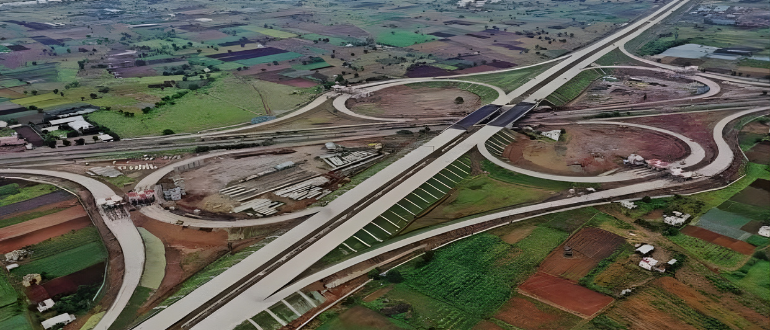
India’s economic growth story is no longer limited to Mumbai, Delhi, Bengaluru, and Hyderabad. Cities such as Nashik, Indore, Nagpur, and Surat are emerging as powerful economic hubs, attracting investments, industries, startups, and skilled professionals while reshaping the country’s development landscape.
A Shift Beyond India’s Traditional Metro Cities
The rise of Nashik, Indore, Nagpur, and Surat reflects a broader shift in India’s economic geography. For decades, major metropolitan cities dominated investment, employment, and infrastructure development. However, increasing urban congestion, rising real estate costs, and the search for new growth opportunities have encouraged businesses to expand into Tier-2 cities.
These cities offer a combination of lower operating costs, improving infrastructure, better connectivity, and access to a growing consumer base. Government initiatives aimed at industrial development, logistics expansion, and smart city projects have further accelerated their growth.
As a result, many companies are now viewing Tier-2 cities not merely as support markets but as primary destinations for expansion and investment.
Nashik’s Growing Industrial and Manufacturing Strength
Nashik has steadily transformed into one of Maharashtra’s most important industrial centers. Traditionally known for agriculture and vineyards, the city has expanded its economic profile through manufacturing, engineering, automotive components, and pharmaceuticals.
The presence of industrial zones developed by the Maharashtra Industrial Development Corporation has attracted both domestic and international businesses. Nashik’s strategic location between Mumbai and central India provides logistical advantages for manufacturers and exporters.
The city has also benefited from infrastructure upgrades, including highway connectivity and industrial corridors. Alongside industrial growth, Nashik’s educational institutions have helped create a steady talent pipeline, supporting sectors ranging from engineering to information technology.
Its balanced mix of industrial activity, quality of life, and affordability makes it increasingly attractive for businesses looking beyond major metropolitan regions.
Indore Emerges as a Startup and Business Destination
Indore has built a reputation as one of India’s fastest-growing business cities. Consistently recognized for its urban management and cleanliness initiatives, the city has attracted investors across multiple sectors.
The city’s economy is supported by manufacturing, information technology, education, pharmaceuticals, and financial services. Startup activity has also increased significantly in recent years, with incubators, innovation centers, and entrepreneurial networks encouraging new business creation.
Indore’s central location enhances its importance as a logistics and distribution hub. Companies serving northern, western, and central India often find operational advantages in establishing facilities within the region.
The availability of skilled graduates from educational institutions and comparatively lower operational expenses continue to strengthen Indore’s position as a preferred destination for both startups and established enterprises.
Nagpur’s Strategic Role in Logistics and Infrastructure
Nagpur’s growth story is closely linked to its geographical advantage. Located near the center of India, the city has long been considered a strategic transportation and logistics hub.
Major highway networks, railway connectivity, and expanding aviation infrastructure have strengthened Nagpur’s position in freight movement and supply chain operations. Logistics parks, warehousing facilities, and industrial projects have created new economic opportunities across the region.
The city has also attracted investments in information technology, manufacturing, defense-related industries, and renewable energy projects. Infrastructure initiatives have further enhanced Nagpur’s appeal for businesses seeking efficient distribution networks across the country.
With increasing industrial diversification and improved connectivity, Nagpur is becoming an important contributor to Maharashtra’s economic development beyond Mumbai and Pune.
Surat’s Transformation Beyond the Diamond Industry
Surat has traditionally been recognized as the global center of diamond cutting and polishing. However, the city’s economy has diversified significantly over the past decade.
The textile industry remains a major pillar of Surat’s economy, supporting millions of jobs directly and indirectly. At the same time, investments in infrastructure, real estate, manufacturing, and technology-driven enterprises have expanded the city’s economic base.
Surat’s strong entrepreneurial culture continues to attract business activity. The city’s industrial ecosystem benefits from efficient transportation networks, proximity to ports, and access to domestic and international markets.
Rapid urban development and growing consumer demand have further positioned Surat as one of India’s most dynamic economic centers outside the major metropolitan regions.
Why Businesses Are Choosing Tier-2 Economic Hubs
Several factors explain why companies are increasingly investing in cities like Nashik, Indore, Nagpur, and Surat.
Real estate costs remain significantly lower than those in major metros. Businesses can establish operations at a lower cost while maintaining access to skilled talent and modern infrastructure.
Quality of life has also become an important consideration. Employees often benefit from shorter commute times, lower living expenses, and improved work-life balance compared to larger urban centers.
Digital connectivity, industrial corridors, logistics improvements, and government incentives have reduced many of the traditional barriers that once favored metropolitan cities.
These advantages are helping Tier-2 cities compete more effectively for investments, talent, and economic opportunities.
The Future of India’s Multi-City Growth Model
The emergence of Nashik, Indore, Nagpur, and Surat signals a broader transformation in India’s development model. Economic growth is becoming more geographically distributed, reducing excessive pressure on major metropolitan regions.
As infrastructure investments continue and businesses seek cost-efficient expansion opportunities, Tier-2 cities are expected to play an even greater role in India’s economy.
Rather than replacing traditional economic centers, these cities are complementing them by creating new engines of growth, innovation, and employment.
Their success demonstrates that India’s next phase of economic expansion may be driven not only by metros but also by a network of rapidly developing regional hubs.
Key Takeaways
• Nashik, Indore, Nagpur, and Surat are emerging as major economic centers beyond traditional metros.
• Lower business costs, improved infrastructure, and skilled talent are attracting new investments.
• Each city has developed sector-specific strengths ranging from manufacturing to logistics and startups.
• Tier-2 cities are becoming increasingly important to India’s long-term economic growth strategy.
FAQs
Q1. Why are Tier-2 cities becoming important economic hubs?
Improved infrastructure, lower operating costs, government support, and growing consumer markets have made Tier-2 cities attractive for businesses and investors.
Q2. What industries are driving growth in Nashik?
Manufacturing, automotive components, engineering, pharmaceuticals, agriculture-related industries, and logistics are major contributors to Nashik’s economy.
Q3. Why is Nagpur considered a logistics hub?
Nagpur’s central location, strong highway network, railway connectivity, and expanding logistics infrastructure make it an important transportation and distribution center.
Q4. How has Surat diversified beyond diamonds?
Along with diamond processing, Surat has expanded into textiles, manufacturing, real estate, infrastructure development, and technology-driven businesses.
(nashik economy, indore business growth, nagpur logistics hub, surat economic development, tier 2 cities india, indian economic hubs, regional growth centers, startup cities india, manufacturing hubs india, emerging business destinations)










Leave a comment