

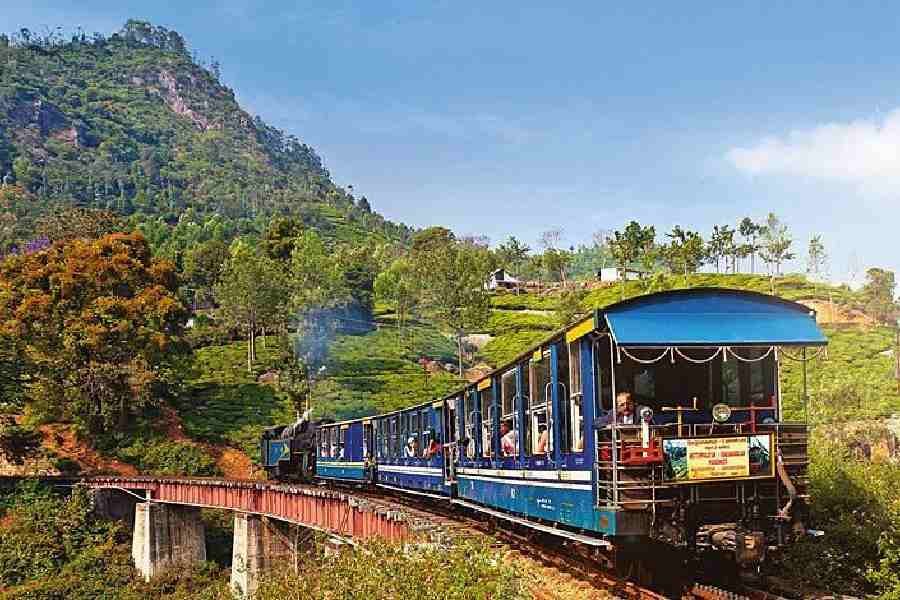
The proposed Himalayan Hill City project in North Bengal has emerged as one of the region’s most ambitious development plans. If implemented successfully, the project could strengthen tourism, create new employment opportunities, improve infrastructure, and position North Bengal as a major economic hub connecting the plains and Himalayan foothills.
A Mega Development Vision for North Bengal
The Himalayan Hill City Plan has attracted attention because of its potential to transform North Bengal’s economic landscape. The proposed development is expected to focus on modern urban infrastructure while leveraging the region’s natural beauty, strategic location, and growing tourism sector.
North Bengal serves as a gateway to several important destinations, including Darjeeling, Kalimpong, Dooars, Sikkim, Bhutan, and Northeast India. Despite its geographical advantages, many parts of the region still face infrastructure challenges, seasonal employment issues, and uneven urban development.
The hill city proposal aims to address some of these concerns by creating a planned urban center capable of supporting tourism, business activities, housing, education, healthcare, and commercial investment.
Tourism Development Could Be a Major Beneficiary
One of the biggest opportunities associated with the Himalayan Hill City project is tourism growth.
North Bengal already attracts millions of visitors each year due to its tea gardens, mountain landscapes, wildlife reserves, and cultural diversity. However, tourism infrastructure often struggles during peak seasons because of traffic congestion, accommodation shortages, and limited urban amenities.
A modern hill city could provide additional hospitality facilities, convention centers, recreational spaces, and improved transportation networks. This would not only enhance visitor experiences but could also encourage longer stays and higher tourism spending.
Improved connectivity between tourist destinations may further strengthen the region’s position as a year-round travel destination rather than a seasonal tourism market.
Job Creation and Economic Opportunities
Employment generation is expected to be one of the most significant outcomes of the proposed development.
Large infrastructure projects typically create jobs during both construction and operational phases. Construction activities require engineers, architects, contractors, skilled workers, and support staff. Once completed, the city would likely generate employment across hospitality, retail, transportation, healthcare, education, real estate, and public services.
Many young people from North Bengal currently migrate to metropolitan cities for employment opportunities. A major urban development project could help retain local talent by creating jobs closer to home.
Small businesses may also benefit. Restaurants, local transport operators, handicraft sellers, tour operators, and service providers could experience increased demand as economic activity expands across the region.
Infrastructure Growth and Regional Connectivity
Better infrastructure is often the foundation of long-term regional development.
The Himalayan Hill City Plan could encourage investments in roads, public transportation, water supply systems, waste management facilities, digital connectivity, and urban services. Such improvements would not only benefit residents of the proposed city but could also create positive spillover effects for nearby districts.
Enhanced connectivity is particularly important for North Bengal because the region serves as a critical transit corridor linking eastern and northeastern parts of India.
Improved transportation infrastructure may support tourism growth, facilitate trade movement, and attract private investment from sectors looking for emerging growth locations outside traditional metropolitan centers.
Challenges and Environmental Considerations
While the project offers significant potential benefits, experts often emphasize the importance of balancing development with environmental sustainability.
The Himalayan region is environmentally sensitive and vulnerable to issues such as landslides, deforestation, water management challenges, and climate-related risks. Urban planning in such areas requires careful environmental assessments and sustainable construction practices.
Authorities will need to ensure that future development protects natural ecosystems while supporting economic growth. Proper waste management, green infrastructure, water conservation measures, and controlled construction practices could play an important role in maintaining ecological balance.
Long-term success will depend not only on investment but also on responsible planning and execution.
Why the Project Matters Beyond North Bengal
The significance of the Himalayan Hill City Plan extends beyond regional development.
India is increasingly focusing on creating growth centers outside major metropolitan regions. Well-planned urban projects in emerging areas can reduce pressure on large cities while creating new economic opportunities closer to local communities.
For North Bengal, the project represents an opportunity to strengthen tourism, attract investment, improve infrastructure, and create employment at a scale rarely seen in the region.
If implemented effectively, the development could become a model for future urban planning initiatives in other hill and border regions across India.
Key Takeaways
- The Himalayan Hill City Plan aims to create a modern urban center in North Bengal.
- Tourism is expected to be one of the biggest beneficiaries of the project.
- The development could generate significant employment opportunities across multiple sectors.
- Environmental sustainability and careful planning will be critical to the project’s long-term success.
FAQ
What is the Himalayan Hill City Plan?
It is a proposed large-scale urban development initiative aimed at boosting infrastructure, tourism, and economic growth in North Bengal.
How could the project benefit tourism?
The project could improve accommodation, transportation, recreational facilities, and visitor services, making the region more attractive to tourists.
Will the project create jobs?
Yes. Infrastructure development, hospitality, retail, transportation, healthcare, and other sectors could generate substantial employment opportunities.
Why are environmental concerns important?
The Himalayan region is ecologically sensitive, making sustainable planning essential to prevent environmental degradation while supporting development.
(North Bengal development, Himalayan Hill City project, North Bengal tourism, regional infrastructure growth, tourism economy, job creation in West Bengal, hill city development, North Bengal investment, sustainable urban planning, regional economic development)










Leave a comment