

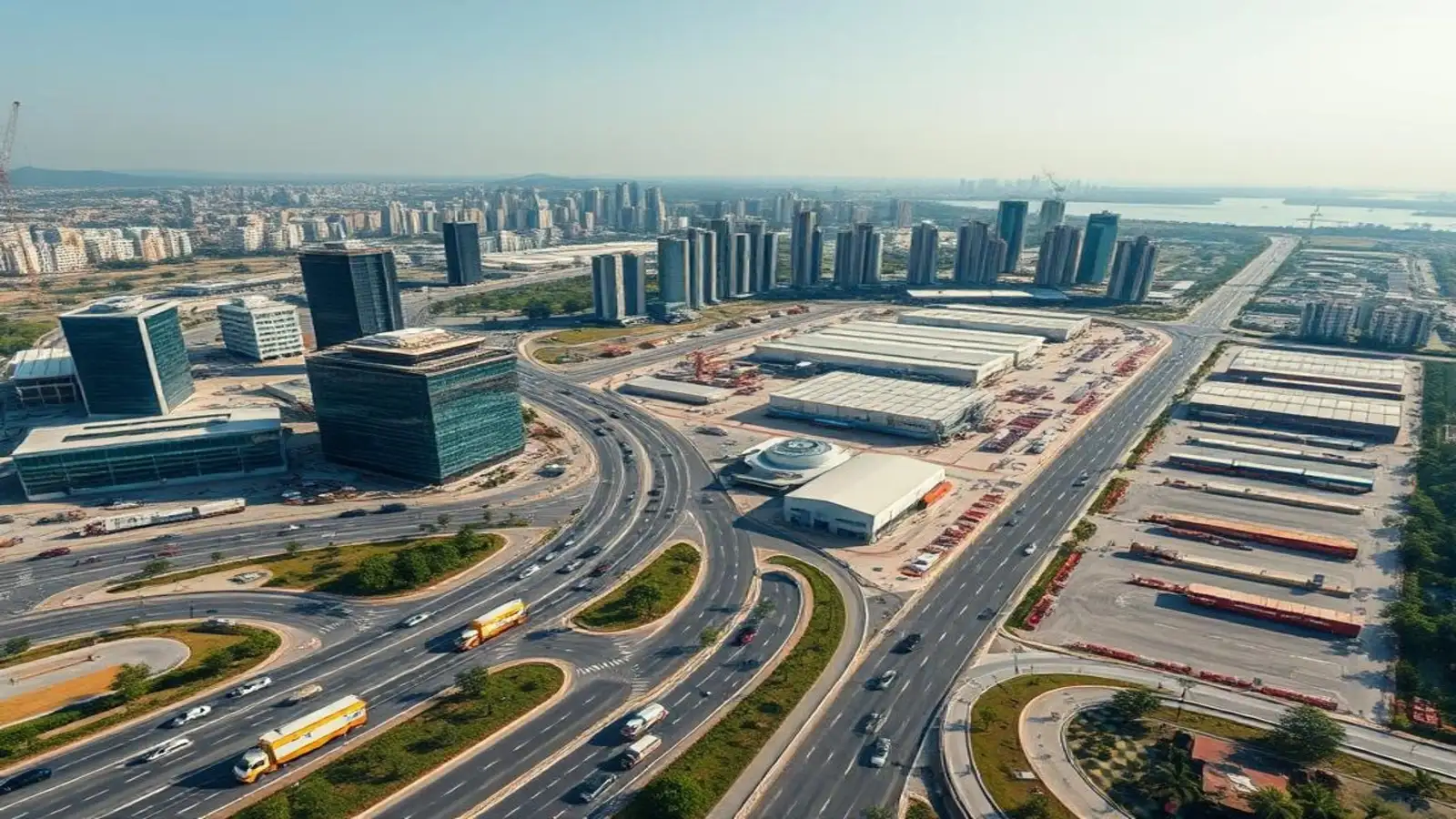
For decades, Mumbai, Delhi, and Bengaluru dominated India’s business landscape. However, a significant shift is underway as regional business hubs across Tier-2 and Tier-3 cities emerge as major contributors to economic growth, investment, and employment. Cities such as Indore, Surat, Coimbatore, Nagpur, Jaipur, Bhubaneswar, and Lucknow are increasingly attracting businesses, startups, and infrastructure investments, reshaping India’s economic geography.
Why Regional Business Hubs Are Gaining Importance
The rise of regional business hubs is being driven by a combination of factors, including lower operating costs, improved infrastructure, government incentives, and the rapid expansion of digital connectivity. As metropolitan cities face challenges such as rising real estate prices, traffic congestion, and high operational expenses, companies are exploring alternatives that offer both affordability and growth potential.
Many regional cities now provide quality office spaces, better urban planning, and access to skilled talent. This has encouraged businesses from sectors such as information technology, manufacturing, logistics, healthcare, and financial services to establish operations outside traditional metropolitan centers.
Infrastructure Development Is Fueling Growth
One of the biggest reasons behind the emergence of new business hubs is India’s ongoing infrastructure expansion. New expressways, industrial corridors, airports, metro rail projects, and logistics parks are improving connectivity between cities and markets.
Cities like Nagpur have benefited from their strategic location at the center of India, making them important logistics and warehousing destinations. Surat continues to strengthen its position as a manufacturing and textile powerhouse, while Indore has gained recognition for its industrial growth and startup ecosystem.
Improved transportation networks reduce business costs and make it easier for companies to serve customers across multiple regions. As a result, investors are increasingly viewing these cities as long-term growth destinations.
The Startup Ecosystem Is Expanding Beyond Metros
India’s startup ecosystem is no longer limited to Bengaluru, Mumbai, and Delhi-NCR. Entrepreneurs from smaller cities are launching businesses that address local and national challenges across sectors such as fintech, agritech, healthtech, edtech, and e-commerce.
Affordable living costs allow founders to operate efficiently while accessing a growing pool of skilled professionals. Educational institutions in regional cities are producing graduates with expertise in technology, management, engineering, and design, creating a strong talent pipeline.
Government initiatives promoting entrepreneurship and digital innovation have also contributed to startup growth in emerging business centers. Incubation programs, startup parks, and state-level support schemes are helping local entrepreneurs scale their ventures.
Manufacturing and Industrial Clusters Drive Regional Economies
Manufacturing remains a key pillar of growth for many regional business hubs. States are actively promoting industrial clusters focused on sectors such as automobiles, electronics, textiles, pharmaceuticals, food processing, and renewable energy.
Coimbatore has strengthened its reputation in engineering and manufacturing, while cities in Gujarat continue to attract investments in chemicals, textiles, and industrial production. Emerging industrial corridors are creating employment opportunities and encouraging supporting industries to develop around major manufacturing centers.
The government’s emphasis on domestic manufacturing and supply chain development has further accelerated investment in regional industrial zones.
Talent Availability Is Changing Business Decisions
A major factor influencing corporate expansion strategies is the growing availability of skilled talent in smaller cities. Remote work, hybrid work models, and digital collaboration tools have reduced the need for businesses to concentrate operations in a handful of metropolitan locations.
Many professionals now prefer living in cities with lower living costs, less congestion, and improved quality of life. This trend has encouraged companies to establish offices, technology centers, and service hubs in regional markets.
As universities and professional institutions continue to expand, businesses gain access to a broader workforce without facing the intense competition for talent often seen in major metros.
Challenges That Still Need Attention
Despite significant progress, regional business hubs face several challenges. Urban infrastructure in some cities still requires modernization. Public transport systems, water management, affordable housing, and advanced healthcare facilities remain areas for improvement.
Businesses also seek greater policy consistency, faster regulatory approvals, and stronger industry-academia collaboration. Addressing these challenges will be essential to sustaining long-term growth and attracting higher levels of domestic and international investment.
The Future of India’s Regional Business Growth
The growth of regional business hubs reflects a broader transformation in India’s economic development model. Rather than relying heavily on a few metropolitan centers, economic activity is becoming more distributed across the country.
As infrastructure improves, digital adoption expands, and investment flows into emerging cities, regional business hubs are expected to play an increasingly important role in job creation, innovation, and industrial development. This shift has the potential to create more balanced economic growth while unlocking opportunities for millions of people across India’s smaller cities and towns.
Key Takeaways
• Regional cities are emerging as important business and investment destinations beyond Mumbai, Delhi, and Bengaluru.
• Infrastructure projects and improved connectivity are driving economic growth in Tier-2 and Tier-3 cities.
• Startups, manufacturing industries, and service sectors are expanding operations in regional markets.
• Skilled talent availability and lower operating costs are attracting businesses to emerging business hubs.
FAQ
Q1. What is a regional business hub?
A regional business hub is a city outside major metropolitan areas that attracts significant business activity, investment, employment, and economic development.
Q2. Which Indian cities are emerging as business hubs?
Cities such as Indore, Surat, Nagpur, Jaipur, Coimbatore, Bhubaneswar, and Lucknow are increasingly gaining attention from businesses and investors.
Q3. Why are companies moving beyond major metros?
Lower costs, better infrastructure, growing talent pools, and improved quality of life are encouraging businesses to expand into smaller cities.
Q4. How do regional business hubs benefit the economy?
They create jobs, attract investment, support entrepreneurship, and help distribute economic growth more evenly across the country.
(Regional Business Hubs India, Tier-2 Cities Growth, Emerging Business Cities, Startup Ecosystem India, Industrial Corridors India, Economic Development, Business Expansion, Indian Cities Investment, Manufacturing Hubs India, Regional Economic Growth)










Leave a comment