

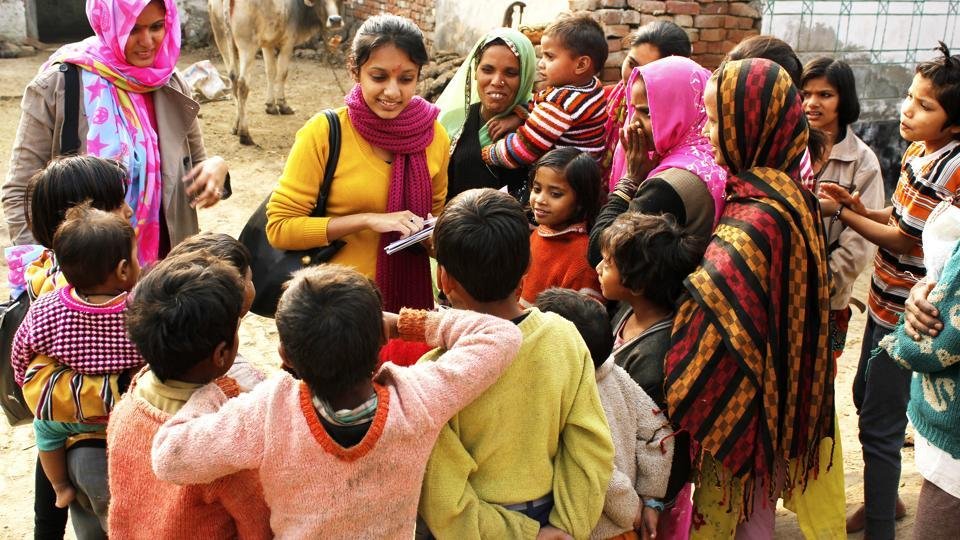
Young Indians are increasingly prioritizing skills, freelancing opportunities, and side hustles over conventional career paths. Driven by digital platforms, changing workplace expectations, and evolving economic realities, many are focusing on practical expertise and multiple income streams rather than relying solely on traditional full-time employment.
A Shift in How Young Indians View Careers
The idea of career success in India is changing. For decades, stable jobs in government services, engineering, medicine, banking, and large corporations were considered the safest and most respected career choices. Today, many young Indians still value these professions, but they are no longer viewed as the only path to financial security or personal growth.
The rise of the digital economy has exposed students and young professionals to new opportunities that did not exist a generation ago. Content creation, digital marketing, graphic design, coding, online teaching, consulting, affiliate marketing, and e-commerce have become realistic income-generating options.
As a result, young people are increasingly investing in practical skills that can help them earn independently. Instead of waiting years for career advancement within a traditional organizational structure, many prefer building expertise that allows them to create opportunities for themselves.
The Rise of Side Hustles and Multiple Income Streams
One of the biggest trends shaping India’s workforce is the growth of side hustles. A side hustle refers to work done alongside a primary job, academic studies, or another source of income.
Young professionals are using evenings, weekends, and online platforms to offer freelance services, launch small businesses, or create digital products. Social media platforms, online marketplaces, and remote work websites have lowered barriers to entry, making it easier to reach customers and clients.
Economic factors also play a role. Rising living costs in urban areas have encouraged many people to seek additional income sources. A side hustle can help cover expenses, build savings, or provide financial flexibility during uncertain economic periods.
For some individuals, side projects eventually grow into full-time businesses, creating an alternative career path that would have been difficult to imagine just a decade ago.
Skill-Based Learning Is Replacing Degree-Only Thinking
Another major reason behind this shift is the growing emphasis on skills over credentials. While degrees remain important in many fields, employers increasingly value practical abilities that can be demonstrated through projects, portfolios, and work experience.
Online learning platforms have made skill development more accessible than ever. Students can learn programming, video editing, data analysis, artificial intelligence, design, writing, and business management from anywhere with an internet connection.
This accessibility has changed how young people think about education and employment. Instead of relying entirely on formal qualifications, many are continuously learning new skills that improve their employability and earning potential.
Companies hiring for digital roles often prioritize demonstrated competence over academic background alone. This has encouraged many young Indians to focus on building relevant expertise that matches industry demand.
Digital Platforms Have Created New Opportunities
Technology has played a crucial role in expanding career possibilities. Platforms for freelancing, content creation, online education, and e-commerce allow individuals to monetize skills directly.
A graphic designer in Nagpur can work with clients in Mumbai, Dubai, or London. A content creator from a small town can build a national audience through social media. An online tutor can teach students across different states without leaving home.
The growth of remote work has further accelerated this trend. Employers have become more comfortable hiring talent regardless of location, enabling professionals from Tier-2 and Tier-3 cities to access opportunities that were previously concentrated in metropolitan areas.
This geographic flexibility has reduced the need for migration and opened new career options for people across the country.
Changing Priorities Among Gen Z and Millennials
Career expectations among Gen Z and younger millennials differ from previous generations. Many value flexibility, autonomy, creativity, and work-life balance alongside financial stability.
Traditional career structures often involve fixed schedules, hierarchical promotions, and limited control over work choices. In contrast, freelancing, entrepreneurship, and side hustles provide greater independence and the ability to pursue personal interests.
Social media has also influenced perceptions of career success. Young people regularly see examples of creators, entrepreneurs, consultants, and freelancers building successful careers outside conventional employment models.
While not every side hustle becomes profitable, the visibility of alternative career paths has encouraged experimentation and entrepreneurial thinking among India’s younger workforce.
Challenges of the Skills and Side Hustle Economy
Despite its advantages, this trend comes with challenges. Freelance income can be unpredictable, competition is often intense, and individuals must manage their own finances, taxes, and professional development.
Building a sustainable side hustle requires discipline, consistency, and marketable skills. Success is rarely immediate, and many ventures take months or years to generate meaningful income.
Traditional employment continues to offer benefits such as stable salaries, structured career progression, health benefits, and retirement planning. For many people, the most practical approach is combining a regular job with ongoing skill development and side projects.
The future of work in India is likely to include a mix of both models rather than a complete replacement of traditional careers.
Key Takeaways
• Young Indians are increasingly focusing on skills and practical expertise alongside formal education.
• Side hustles have become popular due to digital platforms and the need for multiple income streams.
• Remote work and online learning have expanded career opportunities beyond major cities.
• Traditional jobs remain important, but many professionals now combine employment with independent income sources.
FAQ
What is a side hustle?
A side hustle is a part-time activity or business that generates income alongside a primary job, studies, or another occupation.
Why are young Indians focusing more on skills?
Skills often improve employability, create freelance opportunities, and help individuals adapt to changing job market demands.
Are traditional careers becoming less important?
No. Traditional careers remain valuable, but many people are supplementing them with skill-based work and additional income sources.
Which skills are most popular among young Indians today?
Digital marketing, coding, content creation, graphic design, data analysis, artificial intelligence, video editing, and communication skills are among the most sought-after areas.
(Young Indians Career Trends, Side Hustle Economy India, Skill-Based Learning, Gen Z Careers India, Freelancing Opportunities, Future of Work India, Digital Economy India, Career Development Skills)










Leave a comment