

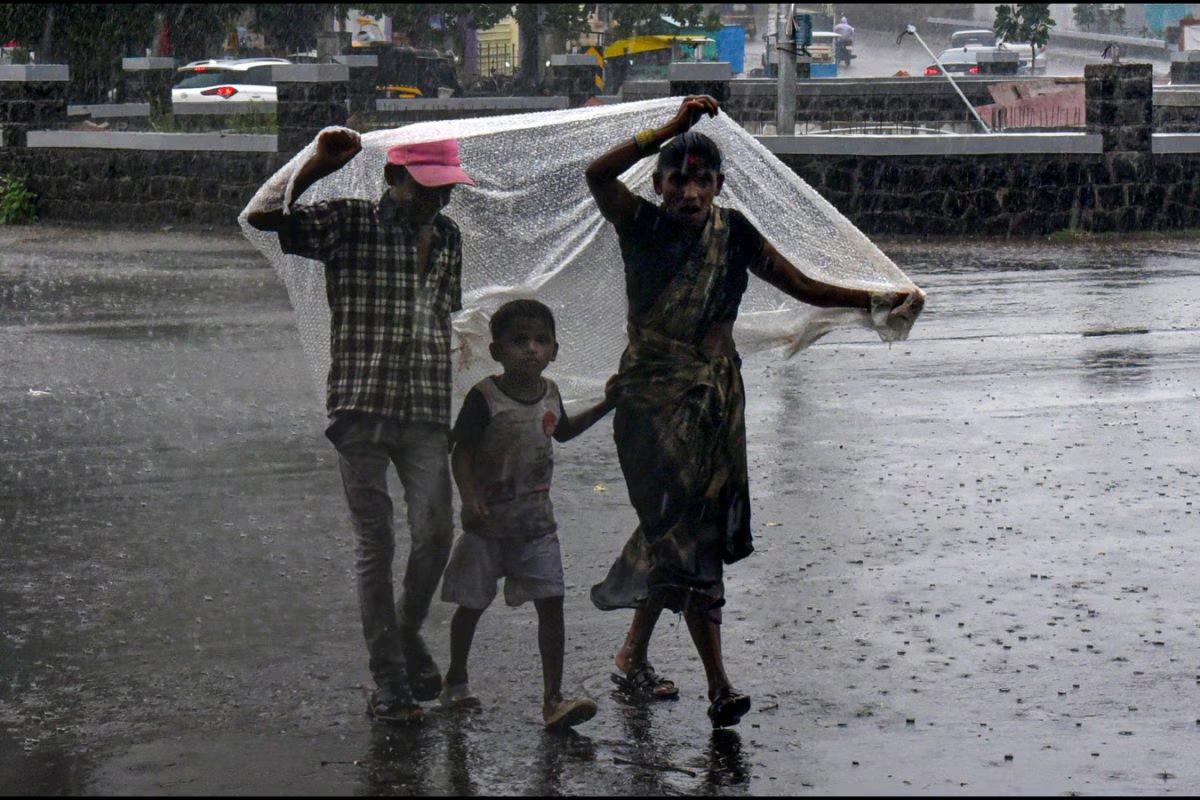
Persistent monsoon rainfall across several parts of India is creating mixed outcomes for agriculture while disrupting transport networks and local markets. Although rainfall supports crop growth in many regions, excessive rain is also causing flooding, logistical delays, and economic losses for farmers and small businesses.
The continuous monsoon rains witnessed across many Indian states are having a widespread impact on farming, transportation, and local markets. While the southwest monsoon is essential for India’s agricultural economy, prolonged and intense rainfall has led to waterlogging, crop damage, traffic disruptions, and interruptions in the movement of goods. Several states have reported heavy rainfall alerts in recent days, prompting local administrations to issue advisories and monitor flood-prone areas. The situation highlights both the benefits and challenges of an active monsoon season for India’s economy and daily life.
Monsoon Rainfall Brings Relief and Challenges for Farmers
For millions of farmers, the arrival of the monsoon marks the beginning of the Kharif sowing season. Crops such as paddy, maize, soybean, cotton, pulses, and groundnut depend heavily on adequate rainfall during this period. Good rainfall helps improve soil moisture, replenish reservoirs, and support healthy crop development.
However, continuous monsoon rains can quickly become a challenge when rainfall exceeds normal levels. Waterlogged fields may damage young crops, delay agricultural operations, and reduce oxygen available to plant roots. In low-lying agricultural areas, flooding can wash away seeds, erode fertile soil, and increase the risk of fungal diseases and pest infestations.
Farmers growing vegetables, fruits, and flowers often face additional losses because these crops are highly sensitive to excess moisture. Delayed harvesting due to persistent rain can also affect crop quality and reduce market prices.
Transport Services Face Delays Across Several Regions
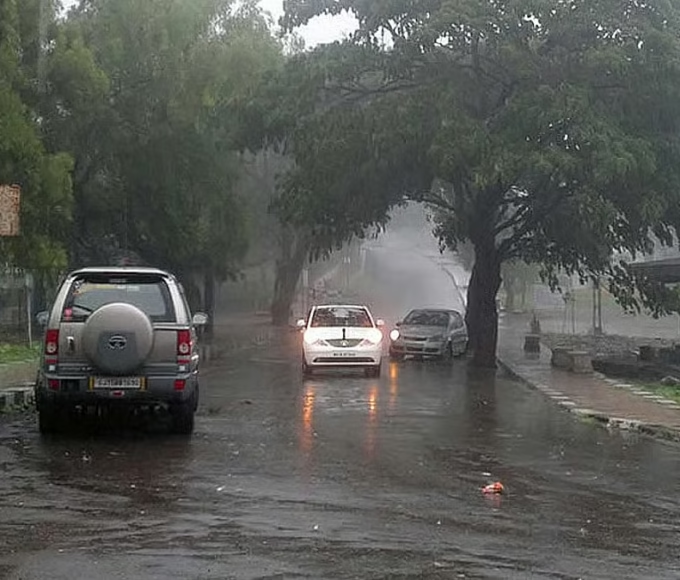
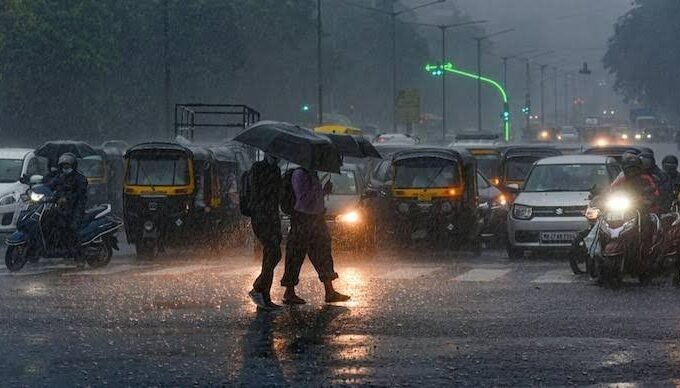
Heavy rainfall affects road, rail, and local transport systems, particularly in cities and towns where drainage infrastructure is under pressure. Waterlogging on roads often causes traffic congestion, slower vehicle movement, and occasional diversions to ensure public safety.
In hilly regions, continuous rainfall increases the possibility of landslides, leading to temporary road closures and delays in the transportation of essential goods. Railway operations may also experience disruptions if tracks become waterlogged or require precautionary inspections.
Public transport users often face longer travel times during periods of heavy rain. School buses, commercial vehicles, and intercity transport services may operate on revised schedules depending on local weather conditions. Transport delays can also increase logistics costs for businesses relying on timely deliveries.
Local Markets Experience Supply and Price Fluctuations
The impact of the monsoon extends beyond farms and transport to local markets, where the availability of fresh produce often depends on uninterrupted supply chains. When roads become difficult to access or transport is delayed, wholesale markets may receive smaller quantities of vegetables, fruits, milk, and other perishable goods.
Reduced supply can contribute to temporary increases in retail prices, especially for leafy vegetables and seasonal produce. At the same time, farmers in affected regions may receive lower prices if crop quality declines because of excessive moisture or delayed harvesting.
Small retailers and local vendors also face challenges during prolonged rainfall. Fewer customers visit open markets during heavy showers, while outdoor businesses often experience lower sales. Shopkeepers may also incur additional costs to protect goods from water damage.
Government Response and Preparedness Measures
State governments, district administrations, and disaster management authorities continue to monitor rainfall patterns and issue weather advisories based on forecasts from the India Meteorological Department. Flood control teams, municipal agencies, and local authorities are working to clear drainage systems, monitor rivers, and provide emergency assistance where required.
Agricultural departments regularly advise farmers on drainage management, crop protection measures, and disease control practices to reduce losses. In some areas, insurance schemes and relief measures may be available for farmers affected by natural calamities, subject to government assessment and eligibility criteria.
Authorities also encourage residents to avoid unnecessary travel during periods of intense rainfall and to follow official weather updates before planning long-distance journeys.
Long-Term Climate Challenges Demand Better Planning
Climate experts have observed that rainfall patterns are becoming increasingly unpredictable, with many regions experiencing short periods of extremely heavy rainfall instead of evenly distributed showers. This trend poses challenges for agriculture, urban infrastructure, and disaster preparedness.
Improving drainage systems, strengthening rural roads, investing in weather forecasting technology, and promoting climate-resilient farming practices can help reduce the impact of future monsoon disruptions. Better storage facilities, stronger supply chains, and improved irrigation planning will also help farmers and local markets adapt to changing weather conditions.
As India continues to depend on the monsoon for agriculture and water resources, balancing the benefits of seasonal rainfall with preparedness for extreme weather events will remain an important priority for policymakers, businesses, and communities alike.
Key Takeaways
- Continuous monsoon rains are benefiting some crops while damaging others through flooding and waterlogging.
- Heavy rainfall is disrupting road, rail, and local transport services in several regions.
- Supply chain interruptions are affecting the availability and pricing of fresh produce in local markets.
- Better infrastructure, climate adaptation, and disaster preparedness are essential to reduce future monsoon-related losses.
Frequently Asked Questions
Q1. How do continuous monsoon rains affect farmers?
While regular rainfall supports crop growth, prolonged heavy rain can cause flooding, waterlogging, crop diseases, delayed harvesting, and reduced agricultural productivity.
Q2. Why do vegetable prices often rise during heavy rainfall?
Transport disruptions and reduced supplies from farms can temporarily decrease the availability of fresh produce, leading to higher retail prices.
Q3. How does heavy rainfall impact transportation?
Waterlogged roads, traffic congestion, landslides, and precautionary railway inspections can delay passenger travel and the movement of goods.
Q4. What precautions should people take during intense monsoon conditions?
People should monitor official weather advisories, avoid flooded roads, travel only when necessary, and follow safety instructions issued by local authorities.
(Internal Keyword Suggestions: continuous monsoon rains, monsoon impact on farmers, heavy rainfall India, transport disruptions monsoon, local markets during monsoon, crop damage due to rain, monsoon news India, Kharif crops, vegetable price rise, India weather, monsoon agriculture, flooding in India)









Leave a comment