

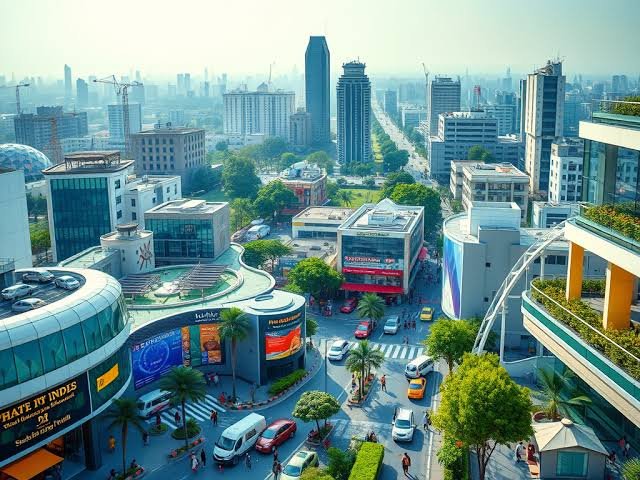
Tier 2 and Tier 3 cities across India are increasingly adopting smart disaster management systems to improve preparedness for floods, heatwaves, landslides and other natural hazards. Technology-driven monitoring and faster emergency response are becoming central to urban planning.
Time Sensitivity: This is an evergreen topic with current relevance. It is based on ongoing investments by state governments, municipal bodies and disaster management authorities, driven by recent extreme weather events and climate resilience initiatives. The article is written in an educational and analytical style.
The growing focus on smart disaster management systems in smaller Indian cities reflects a significant shift in urban planning across the country. While metropolitan cities have traditionally received greater investment in emergency infrastructure, many Tier 2 and Tier 3 cities are now strengthening their disaster preparedness using digital technology, real-time monitoring and early warning systems. Increasing incidents of floods, heatwaves, cyclones, landslides and urban waterlogging have highlighted the need for faster response mechanisms beyond India’s largest urban centres.
Government agencies, municipal corporations and state disaster management authorities are gradually integrating technology into emergency planning. These efforts aim to reduce loss of life, protect public infrastructure and improve coordination during natural disasters.
Climate Change Is Increasing Risks for Smaller Cities
Extreme weather events have become more frequent across India over the past decade. Intense rainfall, prolonged heatwaves, flash floods and cyclones have affected cities that were once considered relatively less vulnerable.
Many Tier 2 cities have experienced rapid urbanisation without equivalent upgrades to drainage systems, emergency services or public infrastructure. As a result, heavy rainfall often leads to severe waterlogging, traffic disruptions and damage to residential areas.
Cities such as Nagpur, Indore, Surat, Dehradun, Guwahati, Bhubaneswar, Mysuru and several district headquarters have experienced weather-related disruptions that underline the importance of better disaster preparedness. Rather than reacting after disasters occur, local administrations are increasingly investing in preventive systems that provide timely information and coordinated responses.
Technology Is Improving Early Warning Systems
One of the biggest changes in disaster management is the use of real-time data. Smart sensors, weather monitoring stations, satellite imagery, river-level gauges and automated rainfall monitoring systems now provide authorities with continuous updates about developing situations.
These technologies allow emergency officials to identify flood-prone areas, monitor changing weather conditions and issue public alerts before situations become critical.
Many cities are also integrating Geographic Information Systems (GIS) into disaster planning. GIS maps help identify vulnerable neighbourhoods, evacuation routes, hospitals, shelters and critical public infrastructure, enabling faster decision-making during emergencies.
Mobile-based warning systems and SMS alerts have further improved communication with residents, ensuring that emergency information reaches people quickly even in smaller towns.
Integrated Command Centres Are Strengthening Emergency Response
Under the Smart Cities Mission, many Indian cities have established Integrated Command and Control Centres (ICCCs). Although originally designed to improve urban governance, these centres have become valuable during emergencies.
Command centres bring together live CCTV feeds, weather information, traffic monitoring, emergency helplines and communication networks on a single digital platform. This enables police, fire services, medical teams and municipal authorities to coordinate more effectively during disasters.
Several cities have successfully used these command centres during heavy rainfall, public emergencies and large-scale civic operations. Their ability to centralise information significantly reduces response time compared with traditional coordination methods.
As more cities develop similar infrastructure, disaster response is becoming faster and better organised.
Public Awareness Is Becoming Part of Disaster Preparedness
Technology alone cannot prevent disasters. Authorities increasingly recognise that community awareness is equally important.
Municipal bodies now organise mock evacuation drills, school awareness programmes and public campaigns explaining how citizens should respond during floods, earthquakes, heatwaves and cyclones.
Digital platforms also play an important role. Many state governments have launched mobile applications that provide weather updates, emergency contacts, shelter information and safety advisories.
Greater public participation improves preparedness and helps reduce panic during emergencies. Citizens who understand evacuation procedures and emergency communication systems are better equipped to protect themselves and assist others.
Investment Today Can Reduce Future Economic Losses
Disasters not only affect lives but also disrupt economic activity. Flooded roads, damaged utilities, interrupted transportation and business closures can result in significant financial losses for local economies.
Investing in smart disaster management systems is increasingly viewed as a long-term economic strategy rather than simply an emergency expense. Better forecasting and faster response reduce infrastructure damage, minimise service disruptions and speed up post-disaster recovery.
Insurance providers, urban planners and policymakers increasingly support preventive investment because rebuilding after disasters is often far more expensive than improving preparedness beforehand.
This approach is particularly important for rapidly growing Tier 2 cities that continue expanding their residential and industrial infrastructure.
The Future of Disaster Management in India
India’s disaster management strategy is steadily moving towards technology-enabled resilience. Artificial intelligence, machine learning, predictive weather modelling, drones and Internet of Things (IoT) devices are expected to play a larger role in future emergency planning.
These technologies can improve flood forecasting, monitor vulnerable infrastructure and assist rescue teams during search and relief operations.
However, experts emphasise that technology should complement strong governance, effective infrastructure and community participation. Successful disaster management depends on accurate planning, regular maintenance of public systems and continuous coordination between government agencies and local communities.
As climate-related risks continue to evolve, smaller Indian cities are recognising that investing in smart disaster management is not simply about responding to emergencies. It is about building safer, more resilient urban environments capable of protecting people, infrastructure and economic activity for years to come.
Key Takeaways
- Tier 2 and Tier 3 cities are investing in smart disaster management due to increasing climate-related risks.
- Early warning systems, GIS mapping and real-time monitoring improve emergency preparedness.
- Integrated Command and Control Centres help authorities coordinate disaster response more efficiently.
- Preventive investments reduce long-term economic losses and strengthen urban resilience.
Frequently Asked Questions
Q1. Why are smaller Indian cities investing in smart disaster management systems?
Rapid urbanisation, changing climate patterns and more frequent extreme weather events have increased the need for better preparedness and faster emergency response.
Q2. What technologies are commonly used in smart disaster management?
Cities use weather monitoring stations, GIS mapping, satellite imagery, flood sensors, mobile alerts, CCTV networks and Integrated Command and Control Centres.
Q3. How do early warning systems help during disasters?
They provide advance information about potential hazards, allowing authorities and residents to take preventive measures before conditions worsen.
Q4. What role do citizens play in disaster preparedness?
Public awareness, emergency drills, following official advisories and participating in community preparedness programmes are essential for reducing disaster risks.
(Internal keyword suggestions: smart disaster management India, Tier 2 cities India, disaster preparedness, early warning systems, Smart Cities Mission, Integrated Command and Control Centre, climate resilience India, flood management, urban disaster planning, disaster technology India)








Leave a comment