

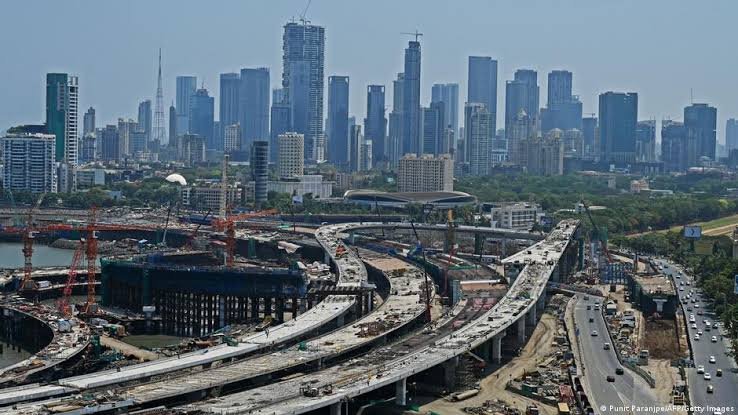
Smart City projects have transformed several smaller Indian cities by improving roads, public transport, digital services, and public spaces. However, uneven implementation, funding delays, and maintenance challenges continue to limit their long-term impact. Here’s a balanced look at what has worked and where improvements are still needed.
The topic is evergreen with current relevance, not tied to a single breaking news event. While the Smart Cities Mission has seen recent project completions and ongoing evaluations, the broader question of what is working and what is not is best addressed through an analytical and explanatory approach rather than breaking news reporting.
Smart City Projects in Smaller Indian Cities: What’s Working Today?
India’s Smart City projects in smaller cities have reshaped urban development over the past decade by introducing technology-driven governance, better infrastructure, and improved public services. While metropolitan cities often dominate discussions around urban development, many Tier-2 and Tier-3 cities have quietly implemented meaningful changes under the Smart Cities Mission. At the same time, several projects continue to face delays, funding constraints, and operational challenges. Understanding both the achievements and shortcomings offers valuable insight into the future of urban development across India.
Launched in 2015, the Government of India’s Smart Cities Mission aimed to improve the quality of life in 100 selected cities through technology, sustainable infrastructure, and citizen-centric planning. Smaller cities such as Indore, Surat, Udaipur, Belagavi, Dharamshala, Agartala, Bhagalpur, and Davanagere have emerged as important examples of how urban transformation can happen beyond major metros.
Better Urban Infrastructure Is One of the Biggest Success Stories
One of the most visible achievements of Smart City projects has been the improvement of basic infrastructure. Several smaller cities have upgraded roads, redesigned intersections, installed energy-efficient LED streetlights, and developed pedestrian-friendly public spaces.
Many cities have modernized bus terminals, introduced integrated traffic management systems, and improved parking facilities. Public parks, lakes, and waterfronts have also been renovated, making urban spaces cleaner and more accessible for residents.
Improved road quality and better lighting have contributed to safer travel, particularly during evening hours. These infrastructure upgrades have also supported local businesses by improving connectivity and attracting visitors.
Digital Governance Has Made Public Services More Accessible
A major objective of the Smart Cities Mission was to make government services more efficient through digital technology. Many smaller cities now provide online platforms where residents can pay property taxes, apply for certificates, register complaints, and access municipal services without visiting government offices.
Integrated Command and Control Centres have been established in several Smart Cities to monitor traffic, public safety, sanitation, emergency services, and environmental conditions from a centralized location.
These systems allow municipal authorities to respond more quickly to traffic congestion, flooding, waste collection issues, and emergency situations. While implementation varies across cities, digital governance has significantly reduced paperwork and improved service delivery in many locations.
Public Transport and Sustainability Have Seen Mixed Progress
Several Smart Cities have introduced electric buses, smart bus stops, bicycle-sharing systems, and improved public transport infrastructure. These initiatives aim to reduce traffic congestion while promoting environmentally friendly mobility.
Cities have also expanded solar power installations, rainwater harvesting systems, waste management facilities, and energy-efficient public buildings. Smart water meters and sensor-based monitoring systems have helped improve resource management in some locations.
However, progress has not been uniform. In many cities, electric mobility projects remain limited in scale, cycling infrastructure is underutilized, and public transport integration continues to require further investment. Long-term maintenance also remains a concern after project completion.
Funding, Maintenance and Execution Continue to Be Major Challenges
Despite visible progress, Smart City implementation has not been free from criticism. Several projects experienced delays because of land acquisition issues, tender processes, contractor shortages, and administrative hurdles.
In some cities, expensive technology solutions have been installed without adequate long-term maintenance plans. Digital infrastructure requires regular software updates, technical staff, and operational funding to remain effective.
Experts have also pointed out that while area-based development projects have transformed selected neighbourhoods, many surrounding localities continue to lack similar improvements. This has created uneven urban development within some cities.
Financial sustainability is another important issue. Municipal bodies must continue operating and maintaining completed projects after central funding ends, which can be challenging for smaller cities with limited local revenue.
Citizen Participation Will Determine Future Success
Urban experts increasingly believe that Smart Cities cannot succeed through technology alone. Public participation plays a critical role in ensuring projects address actual community needs.
Cities that actively engaged residents during planning often witnessed better acceptance of public transport systems, waste segregation initiatives, and digital services. Citizen feedback has also helped improve park maintenance, traffic management, and public safety initiatives.
The future of Smart Cities will depend on balancing infrastructure investment with effective governance, environmental sustainability, financial planning, and community involvement. As India’s urban population continues to grow, smaller cities are expected to become important centres for economic growth and employment.
Rather than focusing only on advanced technology, the next phase of urban development will likely emphasize reliable public services, resilient infrastructure, climate adaptation, and inclusive planning that benefits all sections of society.
Takeaways
- Smart City projects have significantly improved infrastructure and digital governance in many Tier-2 and Tier-3 cities.
- Better roads, public spaces, online civic services, and traffic management systems are among the biggest achievements.
- Funding limitations, project delays, maintenance issues, and uneven development remain important challenges.
- Long-term success will depend on sustainable planning, financial management, and active citizen participation.
Frequently Asked Questions
What is the Smart Cities Mission?
The Smart Cities Mission is a Government of India initiative launched in 2015 to improve urban infrastructure, governance, sustainability, and quality of life in 100 selected cities through technology and modern planning.
Which smaller Indian cities have benefited from Smart City projects?
Cities including Indore, Surat, Udaipur, Agartala, Belagavi, Dharamshala, Bhagalpur, Davanagere, and several others have completed numerous Smart City projects focused on infrastructure, transport, and digital governance.
What are the biggest challenges facing Smart Cities?
Common challenges include project delays, funding constraints, maintenance of digital infrastructure, uneven development across neighbourhoods, and ensuring long-term financial sustainability.
Will Smart City projects continue in the future?
Although the original Smart Cities Mission is nearing completion in many locations, its infrastructure, governance models, and digital initiatives are expected to influence future urban development programmes across India.








Leave a comment