

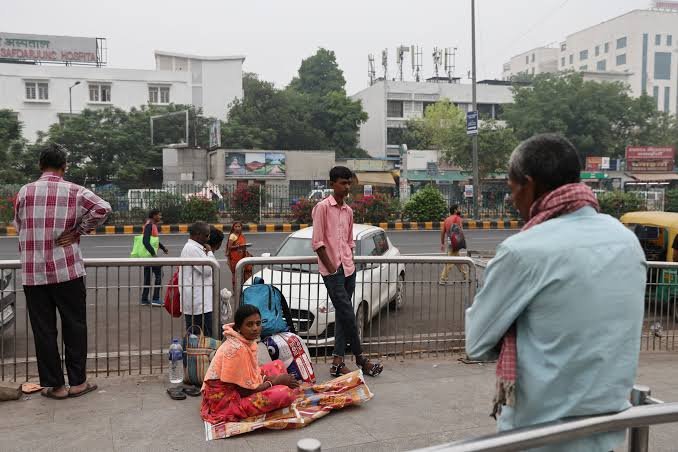
District hospitals are emerging as the backbone of healthcare in India’s smaller towns by offering better medical facilities, specialist services, and emergency care closer to home. As healthcare demand rises beyond metropolitan cities, these hospitals are playing a vital role in improving access and reducing treatment delays.
The topic is evergreen with current relevance. It is not linked to a single breaking news event but reflects ongoing developments in India’s public healthcare system, government investments, and the growing importance of district-level medical infrastructure. A detailed explanatory approach is the most appropriate style.
Why District Hospitals Are Becoming More Important in Small-Town India
District hospitals in small-town India are becoming increasingly important as they bridge the gap between primary healthcare centres and large urban medical institutions. For millions of people living in Tier-2 and Tier-3 cities, district hospitals serve as the first major point of access for specialist treatment, emergency care, surgeries, maternal health, and diagnostic services. With rising healthcare awareness, expanding government health schemes, and growing populations outside metropolitan areas, these hospitals are taking on a much larger role than they did a decade ago.
India’s healthcare system follows a tiered structure that includes sub-centres, primary health centres, community health centres, district hospitals, and tertiary care institutions. Among these, district hospitals have become critical because they are equipped to handle a wide range of medical conditions while remaining accessible to people who may not be able to travel to large cities for treatment.
Rising Population in Smaller Cities Is Increasing Healthcare Demand
India’s smaller cities are witnessing rapid population growth due to urbanisation, improved connectivity, and expanding economic opportunities. As more people settle in district headquarters and nearby towns, the demand for quality healthcare has increased significantly.
District hospitals are now treating a larger number of patients suffering from chronic diseases such as diabetes, hypertension, heart conditions, kidney disorders, and respiratory illnesses. They also continue to provide essential services including maternity care, child health, trauma treatment, and infectious disease management.
Unlike primary health centres, district hospitals usually have specialist doctors, operation theatres, blood banks, intensive care units, laboratories, and diagnostic imaging facilities. These services make them capable of handling more complex medical cases without requiring immediate referral to large metropolitan hospitals.
Government Health Schemes Have Expanded Their Role
The importance of district hospitals has grown further with the implementation of government healthcare programmes aimed at improving affordable medical access.
Schemes such as Ayushman Bharat Pradhan Mantri Jan Arogya Yojana have enabled eligible families to receive cashless treatment for many procedures at empanelled hospitals, including numerous government district hospitals. The expansion of Health and Wellness Centres has also strengthened referrals from primary care facilities to district-level hospitals.
Several state governments have invested in upgrading medical equipment, expanding hospital buildings, increasing bed capacity, and introducing advanced diagnostic services. Many district hospitals now offer CT scans, dialysis services, digital laboratories, and telemedicine consultations that were previously available only in larger cities.
These improvements have reduced the need for patients to travel long distances for routine specialist care.
Better Emergency and Maternal Healthcare Is Saving Lives
District hospitals play a crucial role during medical emergencies, road accidents, infectious disease outbreaks, and natural disasters. Their emergency departments operate around the clock and provide immediate treatment before referral becomes necessary.
Maternal and child healthcare has also improved considerably in many districts. Institutional deliveries, neonatal intensive care units, vaccination programmes, and high-risk pregnancy management have become more accessible through strengthened district hospitals.
Early diagnosis and timely treatment have contributed to better health outcomes in several regions, particularly where access to private healthcare remains limited.
The availability of blood banks, ambulance services, trauma care, and emergency surgery has further strengthened their role in public health infrastructure.
Technology Is Improving Healthcare Delivery
Digital healthcare is gradually transforming district hospitals across India. Electronic health records, online appointment systems, digital laboratory reporting, and telemedicine services are making healthcare more efficient.
Teleconsultation platforms now allow specialists from medical colleges and tertiary hospitals to guide doctors working in district hospitals. This improves diagnosis and treatment without requiring patients to travel hundreds of kilometres.
Artificial intelligence-assisted diagnostics, digital radiology, and integrated hospital information systems are also being introduced in selected public hospitals. Although implementation varies across states, technology is helping improve service delivery, patient management, and administrative efficiency.
Digital health initiatives are expected to play an even greater role as India’s healthcare infrastructure continues to modernise.
Challenges Still Need Long-Term Solutions
Despite significant progress, district hospitals continue to face important challenges. Many hospitals experience shortages of specialist doctors, nurses, technicians, and support staff. High patient volumes often place additional pressure on existing infrastructure.
Maintenance of medical equipment, availability of essential medicines, and timely recruitment remain ongoing concerns in several districts. Some hospitals also require further expansion to accommodate increasing patient numbers.
Healthcare experts believe that strengthening district hospitals will require continuous investment in infrastructure, medical education, workforce development, digital health systems, and preventive healthcare programmes.
Improving referral systems between primary health centres, district hospitals, and tertiary institutions will also help ensure patients receive timely and appropriate treatment.
As India’s population continues to urbanise beyond metropolitan cities, district hospitals will remain central to building an accessible, affordable, and resilient healthcare system for millions of citizens.
Takeaways
- District hospitals have become the primary healthcare backbone for many Tier-2 and Tier-3 cities.
- Government investment and health schemes have expanded specialist services and medical infrastructure.
- Digital health technologies and telemedicine are improving diagnosis and patient care.
- Workforce shortages and infrastructure gaps remain key challenges that require sustained investment.
Frequently Asked Questions
What is the role of a district hospital in India?
A district hospital provides secondary healthcare services, including specialist consultations, surgeries, emergency care, diagnostics, maternity services, and inpatient treatment for people within a district.
Why are district hospitals becoming more important?
Growing populations in smaller cities, expanding government healthcare programmes, improved medical facilities, and rising healthcare needs have increased their importance.
Do district hospitals provide specialist treatment?
Yes. Most district hospitals have specialists in fields such as medicine, surgery, paediatrics, obstetrics and gynaecology, orthopaedics, anaesthesia, and emergency medicine. The availability of specialties may vary between districts.
How is technology improving district hospitals?
Digital health records, telemedicine, online appointments, diagnostic systems, and electronic reporting are helping improve patient care, efficiency, and access to specialist medical advice.









Leave a comment