

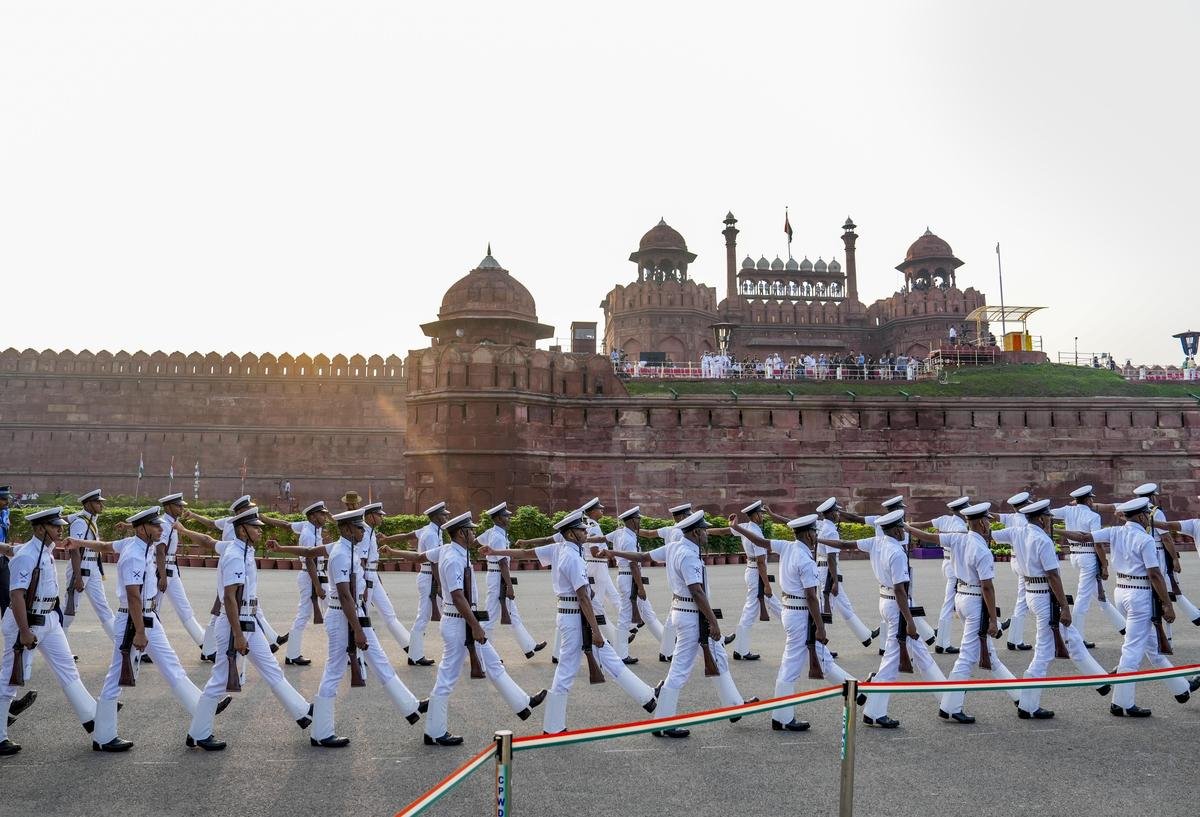
As India prepares to celebrate its 80th Independence Day on August 15, 2026, small cities and district headquarters are enhancing security arrangements while organizing cultural events, patriotic programs, and community activities. The celebrations reflect a growing focus on public participation, digital coordination, and citizen safety.
India’s Independence Day 2026 celebrations are set to bring together millions of people across the country, with special attention on district headquarters, Tier-2 cities, and smaller towns. While Delhi remains the focal point of the national event, local administrations across states have intensified security measures, traffic management, and public event planning to ensure smooth celebrations.
This year’s preparations highlight how smaller Indian cities have become increasingly capable of organizing large-scale public events while balancing safety, civic participation, and efficient administration.
Security Measures Intensified Across Tier-2 and Tier-3 Cities
With large public gatherings expected on Independence Day, district administrations have strengthened security arrangements in cities beyond major metropolitan areas. Police departments have increased patrolling around government offices, railway stations, bus terminals, marketplaces, schools, and public grounds where flag-hoisting ceremonies will take place.
Many state police forces have deployed additional personnel at sensitive locations and introduced temporary traffic diversions to manage crowds efficiently. Surveillance through CCTV cameras, drone monitoring in selected districts, and vehicle checking at city entry points have also become common features of Independence Day preparations.
Authorities have urged citizens to report suspicious activities while advising people to cooperate with security personnel during celebrations. Emergency response teams, medical services, and disaster management units remain on standby throughout the day.
Schools, Colleges and Communities Lead Patriotic Celebrations
Educational institutions continue to play a central role in Independence Day celebrations across India. Schools and colleges in smaller cities have organized cultural performances, patriotic songs, debates, essay competitions, and awareness programs focused on India’s freedom movement and constitutional values.
Many institutions are also encouraging students to participate in cleanliness drives, tree plantation campaigns, blood donation camps, and community service activities. These events aim to connect patriotism with civic responsibility rather than limiting celebrations to ceremonial functions alone.
Resident welfare associations, youth organizations, women’s groups, and local NGOs are also planning community flag-hoisting ceremonies and cultural gatherings, strengthening neighborhood participation.
Technology Is Improving Event Management
Technology has become an important part of Independence Day event planning, even in smaller Indian cities. Local administrations increasingly use digital communication platforms to issue traffic advisories, weather updates, emergency contacts, and public safety notifications.
Municipal authorities are also coordinating with police departments through integrated control rooms to monitor crowd movement in real time. Several districts have expanded CCTV coverage around major event venues, helping officials respond quickly if required.
Social media platforms are being used to share official announcements, event schedules, and public awareness messages while discouraging misinformation and rumors during the celebrations.
Markets Witness Seasonal Business Activity
Independence Day also creates significant economic activity for local businesses. Markets across Tier-2 and Tier-3 cities witness increased demand for national flags, decorative items, traditional clothing, school supplies, and patriotic merchandise.
Retail shops, sweet stores, bakeries, flower vendors, and local artisans often experience higher customer footfall during the festive period. Small businesses benefit from increased public events, school functions, and government programs that generate additional commercial activity.
Tourism also receives a modest boost in cities hosting heritage events, cultural festivals, and historical exhibitions connected to India’s freedom struggle.
Local Administrations Focus on Cleanliness and Public Convenience
Ahead of Independence Day, municipal corporations and local civic bodies have intensified cleanliness drives around important public spaces. Roads leading to government buildings, parks, memorials, and event venues are being cleaned and decorated with national flags, lighting, and floral arrangements.
Authorities have also inspected public address systems, electricity supply, drinking water facilities, sanitation services, and emergency infrastructure to ensure uninterrupted celebrations.
Traffic police departments have released advisory routes in several districts to minimize congestion around parade grounds and government offices where official ceremonies are scheduled.
Growing Participation Reflects Stronger Civic Engagement
One noticeable trend in recent years is the increasing participation of citizens in Independence Day events beyond official ceremonies. Young volunteers, local cultural groups, cycling clubs, fitness communities, and social organizations are organizing patriotic rallies, awareness campaigns, marathons, and heritage walks.
Many cities are also using Independence Day as an opportunity to recognize outstanding teachers, healthcare workers, sanitation staff, police personnel, and local achievers for their contribution to society.
This broader participation reflects a shift from purely ceremonial celebrations to community-driven events that encourage civic pride and social responsibility.
Why Smaller Cities Matter in India’s National Celebrations
India’s Independence Day is celebrated in every corner of the country, and the growing role of Tier-2 and Tier-3 cities demonstrates the country’s expanding administrative capacity and public engagement. Improved infrastructure, better policing, digital governance, and stronger community participation have enabled smaller cities to organize celebrations with greater efficiency than ever before.
As India marks its 80th Independence Day, these cities are not only ensuring safe and orderly events but also creating opportunities for citizens to actively participate in national celebrations. Their preparations reflect the importance of local governance in strengthening national unity and preserving the spirit of Independence Day for future generations.
Key Takeaways
- Tier-2 and Tier-3 cities have strengthened security through increased policing, surveillance, and traffic management.
- Schools, colleges, and community organizations remain central to Independence Day celebrations.
- Technology is improving coordination, public communication, and crowd management during events.
- Local businesses and civic bodies benefit from increased public participation and festive economic activity.
Frequently Asked Questions
Q1. Why are security arrangements increased during Independence Day?
Large public gatherings, official ceremonies, and the national significance of the day require enhanced security to ensure public safety and maintain law and order.
Q2. How do smaller Indian cities celebrate Independence Day?
They organize flag-hoisting ceremonies, cultural programs, school events, parades, community gatherings, and civic awareness activities alongside official government functions.
Q3. What role does technology play in Independence Day celebrations?
Authorities use CCTV surveillance, digital communication, traffic alerts, integrated control rooms, and social media updates to improve event management and public safety.
Q4. How does Independence Day benefit local businesses?
Demand for flags, decorations, clothing, sweets, flowers, and event-related products increases, providing seasonal business opportunities for retailers and local vendors.








Leave a comment