

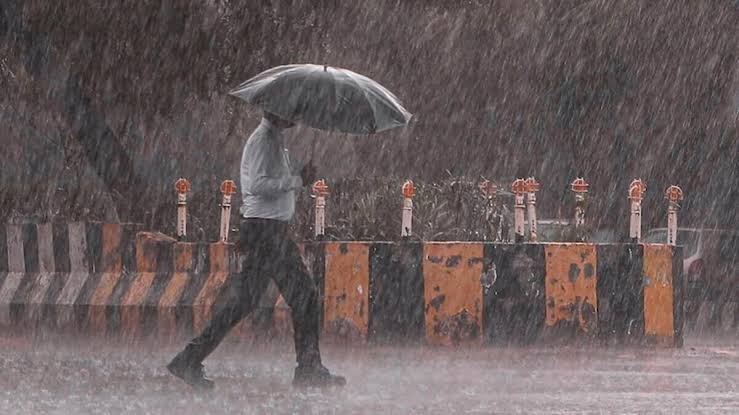
Pune rain has returned in late September after an unusually long dry spell, with Shivajinagar recording 17.1 mm on Monday. The rainfall has attracted attention because it comes as the southwest monsoon approaches its withdrawal phase, while the India Meteorological Department expects more showers and thunderstorms across the city over the next few days.
Pune Sees Rain After 58-Day Dry Spell
Pune witnessed a notable change in weather on Monday evening when Shivajinagar recorded 17.1 mm of rainfall. According to data reported from the India Meteorological Department, this was the first double-digit rainfall reading at the station in 58 days.
The previous comparable spell was recorded on August 1, when Shivajinagar received 30.3 mm of rain. The extended gap has made the latest showers particularly significant for weather watchers and residents.
Rainfall was not uniform across the city. The National Defence Academy area recorded around 15 mm, while Chinchwad and Koregaon Park did not receive rain during the same period. This uneven distribution highlights how rainfall can vary considerably across Pune within a short distance.
For residents, the return of rain may appear like a routine monsoon shower. Meteorologically, however, its timing is important because September is normally associated with the gradual transition from the southwest monsoon towards drier conditions.
IMD Forecasts More Rain and Thunderstorms
The latest weather outlook indicates that Monday’s rainfall is unlikely to be an isolated event. The IMD has forecast similar weather conditions for Pune over the next three days, including the possibility of thunderstorms, lightning, gusty winds and light to moderate rainfall.
The forecast is relevant for commuters, students, outdoor workers and residents of low-lying areas because even moderate rainfall can cause short-duration water accumulation in parts of the city.
Pune’s rapidly changing weather can also create sharp differences between neighbourhoods. A spell that produces noticeable rainfall in Shivajinagar or areas around the city’s western hills may leave other parts comparatively dry.
Residents should therefore rely on neighbourhood-level conditions and official weather alerts rather than assuming that rainfall in one part of Pune represents conditions across the entire city.
Why Late-September Rain Matters for Pune
The timing of the rainfall is one of the main reasons the latest showers are drawing attention.
The southwest monsoon normally begins withdrawing from parts of northwest India in September before gradually retreating from other regions. The withdrawal process does not happen simultaneously across the country. Weather systems can continue to generate rainfall even as the broader monsoon season moves towards its final phase.
For Pune, current conditions are being viewed in the context of an approaching monsoon withdrawal. Former IMD weather head Dr Anupam Kashyapi told The Indian Express that the recent showers could indicate that monsoon withdrawal is approaching, with withdrawal from Mumbai and Pune potentially occurring in early October and from Maharashtra around mid-October.
That does not mean rain stops immediately once withdrawal begins. Rainfall can continue because local weather systems, moisture availability and atmospheric conditions can still produce showers after the broader monsoon pattern starts weakening.
Pune District Has Recorded Different Rainfall Trends
The city’s recent dry spell should also be viewed separately from the rainfall situation across Pune district.
According to the latest report, Pune district was still recording a 14% rainfall surplus despite Maharashtra facing an overall rainfall deficit of around 19%. This difference shows why district-level and city-level rainfall figures can tell different stories.
A rainfall surplus does not mean every locality receives consistent rainfall throughout the season. Rainfall can be concentrated in particular periods, with long dry intervals followed by intense or moderate showers.
This uneven pattern is important for agriculture, water management and urban planning. For residents, it also explains why weather conditions can change quickly between Pune city, the western parts of the district and surrounding areas.
Temperature May Not Change Dramatically
Rain often brings an immediate drop in temperature, but the latest Pune showers have not produced a major shift in daytime temperatures.
Shivajinagar recorded a maximum temperature of around 33.4 degrees Celsius, while minimum temperatures across different locations remained in the range of approximately 18.4 to 22.5 degrees Celsius.
This means residents may continue to experience warm and humid conditions even when clouds and showers return.
The combination of humidity, cloud cover and intermittent rain can also make weather conditions feel different from the temperature shown on a thermometer. Short thunderstorms may provide temporary relief from heat without necessarily signalling the beginning of a prolonged cool spell.
What Pune Residents Should Expect This Week
The immediate weather outlook points towards continued variability rather than a return to uninterrupted monsoon conditions.
Light to moderate rain, thunderstorms and lightning remain possible, according to the current forecast. Gusty winds associated with thunderstorms can also create temporary disruptions, particularly for people travelling on two-wheelers or those working outdoors.
Residents should keep an eye on official IMD updates when planning travel, outdoor activities or events. During thunderstorms, avoiding exposed areas and taking shelter indoors is advisable.
The possibility of localised rainfall also means that commuters should allow additional travel time when heavy showers affect major roads. Even a relatively short burst of rain can slow traffic considerably at busy junctions.
Monsoon Withdrawal Does Not Mean Rain Stops Immediately
One common misconception is that monsoon withdrawal means an immediate end to rainfall.
In reality, withdrawal is a gradual meteorological process. Different parts of India experience the retreat at different times, and local weather systems can continue producing rainfall during the transition.
For Pune, the current showers therefore do not necessarily indicate that the monsoon has returned in full strength. Instead, they are occurring during a period when the seasonal weather pattern is beginning to change.
The distinction matters because residents may otherwise interpret every September or October shower as evidence of an extended monsoon. Current weather observations suggest a more variable transition, with intermittent rainfall possible even as withdrawal approaches.
Why Pune’s Weather Deserves Attention
Pune’s latest rainfall is significant mainly because of its timing and the length of the preceding dry spell.
A 58-day gap without double-digit rainfall at Shivajinagar is unusual enough to stand out in the city’s recent weather record. At the same time, the latest showers demonstrate that the end of September can still bring active weather conditions.
For residents, the key issue is not simply whether Pune will receive rain, but how intense, widespread and persistent individual spells become.
With the IMD forecasting further thunderstorms and rainfall, Pune is likely to see changing conditions over the coming days. The weather could remain a mix of dry intervals, warm temperatures and sudden showers rather than settling into one consistent pattern.
Key Takeaways
- Shivajinagar recorded 17.1 mm rainfall on Monday after a 58-day gap in double-digit rainfall.
- The IMD expects more light to moderate rain, thunderstorms, lightning and gusty winds in Pune over the next few days.
- The latest showers come as Maharashtra and Pune approach the seasonal monsoon withdrawal phase.
- Pune district has recorded a rainfall surplus despite a broader rainfall deficit across Maharashtra.
Frequently Asked Questions
Why is Pune receiving rain in late September?
Pune can continue receiving rainfall in late September because the southwest monsoon does not withdraw from all parts of India at the same time. Local atmospheric conditions and weather systems can also produce showers during the transition period.
How much rain did Pune receive on Monday?
Shivajinagar recorded 17.1 mm of rainfall on Monday evening, according to the latest report based on IMD data. The NDA area recorded around 15 mm, while some other parts of the city remained dry.
Is the Pune monsoon over?
Not yet. Current conditions indicate that monsoon withdrawal is approaching, but withdrawal is a gradual process. Rainfall can continue during the transition, and the IMD is currently forecasting additional showers and thunderstorms for Pune.
Will Pune receive more rain in the coming days?
The IMD forecast indicates the possibility of similar weather over the next few days, including light to moderate rain, thunderstorms, lightning and gusty winds. Residents should follow the latest official weather alerts because rainfall can vary significantly across different parts of the city.









Leave a comment