

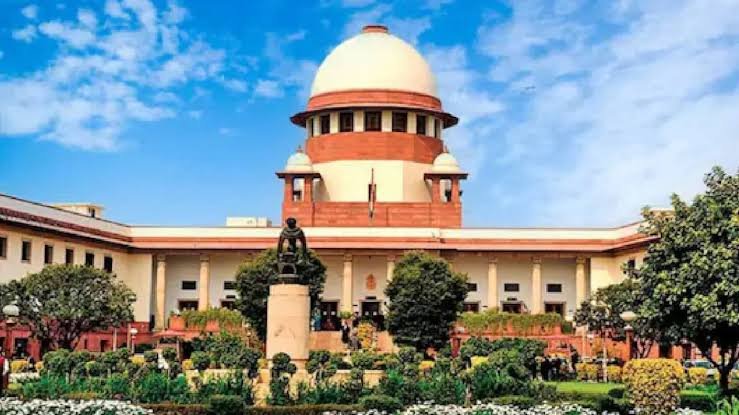
India’s voter list revision has become a major legal and political issue after opposition leaders approached the Supreme Court on 12 October 2026, challenging alleged irregularities in the Election Commission of India’s Special Intensive Revision (SIR) of electoral rolls. The petition raises questions about voter deletions, transparency, election administration and safeguards for eligible citizens.
Why Has the Supreme Court Challenge Become Important?
The Supreme Court challenge to voter list deletions has brought renewed attention to how India maintains its electoral rolls. On 12 October, Rahul Gandhi, Leader of the Opposition in the Lok Sabha, and 10 other leaders of the INDIA opposition bloc filed a joint petition against the Election Commission of India (ECI).
The petition challenges aspects of the Special Intensive Revision process and alleges that voter names have been removed arbitrarily. It also questions the way certain decisions were taken within the Election Commission.
The opposition leaders have asked the court to examine the legality and transparency of the process, including the authority used to initiate the revision and the handling of electoral data. Their demands include an independent audit of voter deletions and safeguards to prevent eligible citizens from losing their place on the electoral rolls without due process
These are allegations and requests made by the petitioners, not findings that the Election Commission has unlawfully removed eligible voters. The court’s consideration of the issues will be important in determining which legal questions require further examination.
What Is the Special Intensive Revision of Electoral Rolls?
The Special Intensive Revision, commonly called SIR, is a detailed exercise undertaken by the Election Commission to review and update electoral rolls.
Voter lists must be maintained because people’s circumstances change. Citizens reach voting age, families relocate, registered voters die, and duplicate entries may appear in electoral databases. A revision aims to improve the accuracy of the records used to determine who can vote in an election.
The process can involve verification of voter details, visits by Booth Level Officers, examination of supporting documents and the publication of draft electoral rolls. Citizens and political parties can identify discrepancies during the claims and objections period.
However, a voter list revision must balance two objectives. The first is removing entries that no longer meet the applicable requirements. The second is ensuring that eligible voters are not wrongly excluded.
The distinction matters because an inaccurate entry can undermine electoral administration, while the wrongful removal of an eligible citizen can prevent that person from exercising their voting rights.
The current controversy concerns whether the revision has followed the necessary legal procedures and whether adequate safeguards exist for voters whose names are missing.
What Has the Opposition Asked the Supreme Court to Examine?
The petition raises several questions about the conduct of the Election Commission and the safeguards surrounding voter list revisions.
According to reports published on 12 and 13 October, the opposition bloc has sought judicial scrutiny of the SIR process and alleged irregularities in the removal of names. Its requests include examining the records behind the revision, investigating the decision-making process within the Election Commission and reviewing the handling of electoral databases.
The main issues include:
- Legality of the SIR process: Whether the decisions and procedures followed during the revision comply with the applicable law.
- Alleged arbitrary deletions: Whether eligible voters may have been removed without adequate verification or an effective opportunity to challenge their exclusion.
- Election Commission decision-making: Whether decisions involving the Commission’s collective powers were taken according to the required procedures.
- Transparency and independent scrutiny: Whether an audit and access to relevant records are necessary to establish the accuracy of deletions.
- Protection of voting rights: Whether voters have adequate notice, correction procedures and opportunities to restore their names before elections.
The petition also raises questions concerning the use of Electronic Voting Machines and the administration of electoral databases. These issues form part of the wider challenge and should be distinguished from the specific question of whether individual voter deletions were justified.
The Supreme Court will have to consider the legal issues placed before it. Filing a petition does not automatically mean that the court has accepted the allegations or ordered the requested remedies.
What Does the Law Say About Removing Voter Names?
The legal framework governing electoral rolls includes the Representation of the People Act, 1950, and the Registration of Electors Rules, 1960. These provisions establish the basis for preparing and maintaining voter lists, including procedures for correcting entries and removing names when legally justified.
In its judgment dated 27 May 2026 in matters concerning the SIR process, the Supreme Court upheld the Election Commission’s authority to conduct the exercise within its statutory mandate. At the same time, the judgment emphasised procedural fairness, including notice, enquiry where required and an opportunity for affected electors to contest proposed exclusion.
This distinction is central to understanding the current controversy. The Election Commission has legal authority to maintain accurate electoral rolls, but that authority must be exercised in accordance with the law.
A missing name in a draft roll should not automatically be treated as a final determination that a person is ineligible to vote. The legal process allows eligible individuals to raise objections, submit relevant material and seek correction or inclusion where appropriate.
The Election Commission has also outlined safeguards such as verification by Booth Level Officers, publication of draft rolls, claims and objections, and avenues for appeal. Whether those safeguards were adequately implemented in disputed cases is one of the questions that scrutiny of the revision may address.
How Could Voter List Deletions Affect Ordinary Citizens?
The issue is not limited to political parties or election officials. Electoral roll accuracy directly affects citizens who want to participate in elections.
A person may find their name missing because of a change in residence, a data-entry error, an incorrect classification or another discrepancy that needs verification. The reason cannot be established simply by looking at an absent entry.
For people living in Tier-2 and Tier-3 cities, the practical challenge may include identifying the correct electoral office, understanding the relevant forms and completing the required process within the prescribed deadline. Migrant workers and families who move between cities for employment or education may also need to check that their registration details remain accurate.
An effective correction system should make it possible for eligible voters to discover discrepancies and resolve them without unnecessary difficulty. Clear communication, accessible verification facilities and timely responses to applications are therefore important parts of election administration.
Citizens should not assume that they have been deliberately excluded merely because their names are missing. Equally, an unexplained deletion should be checked through the appropriate official channels rather than ignored.
The wider concern is whether the electoral system can maintain accurate records while protecting every eligible citizen’s opportunity to participate.
What Happens Next in the Supreme Court Case?
As of 13 October 2026, the immediate focus is on the court’s consideration of the petition and the relief sought by the opposition leaders. Reports indicate that the matter was expected to come up for consideration on 13 October. The outcome of any hearing should be confirmed against an updated court record before publication.
The Supreme Court may examine the legal questions, seek responses from the relevant authorities or consider whether any interim directions are warranted. The precise next steps will depend on the proceedings and the court’s orders.
The Election Commission’s response and the evidence presented by both sides will be important. A legal assessment must distinguish between genuine errors, justified removals and allegations that have not yet been established.
The case also places institutional accountability in focus. The Election Commission is responsible for administering elections, while the judiciary can examine whether the relevant legal requirements have been followed when a dispute is properly brought before it.
Any final assessment of the controversy should therefore be based on the court’s orders, official electoral records and verified evidence rather than political claims alone.
What Should Voters Do If Their Names Are Missing?
Citizens who discover that their names are missing from the electoral roll should take practical steps to establish their registration status.
- Check the electoral roll: Use the Election Commission’s official voter services portal or the relevant state Chief Electoral Officer’s website.
- Contact the Booth Level Officer: Ask for clarification about the status of the entry and the reason for its absence, where that information is available.
- Use the appropriate application: Form 6 is generally used to apply for inclusion in the electoral roll, while Form 8 is used for specified corrections and changes, including shifting residence within the applicable process.
- Keep supporting records: Retain application references, acknowledgements and relevant documents that may be required during verification.
- Follow the official process: Check deadlines and use the prescribed claims, objections or appeal mechanisms if a name has been wrongly excluded.
The appropriate procedure depends on the individual’s circumstances and the stage of the electoral roll revision. Citizens should follow current Election Commission instructions rather than rely on social media posts or unofficial claims.
Key Takeaways
- The INDIA bloc filed a Supreme Court petition on 12 October 2026 challenging alleged irregularities in the Special Intensive Revision of electoral rolls.
- The petition raises concerns about voter deletions, Election Commission decision-making and the transparency of electoral data.
- The Supreme Court upheld the Election Commission’s legal authority to conduct the SIR in its May 2026 judgment, while emphasising procedural safeguards.
- Eligible voters who find their names missing should verify their status through official channels and use the prescribed correction or inclusion procedures.
Frequently Asked Questions
1. Why have opposition leaders approached the Supreme Court over voter list deletions?
They have challenged alleged irregularities in the SIR process and sought scrutiny of voter deletions, the Election Commission’s decision-making and the safeguards available to affected citizens.
2. What is the Special Intensive Revision of electoral rolls?
SIR is a detailed exercise conducted to verify and update electoral rolls, helping identify discrepancies such as duplicate entries, deceased voters and changes in residence while maintaining the eligibility of registered voters.
3. Does a missing name automatically mean a person cannot vote?
A missing name requires verification. A person should check the relevant electoral roll and follow the applicable inclusion or correction process. Eligibility and registration status must be assessed under the relevant law and procedures.
4. How can a voter check or restore a missing name?
Voters can check the Election Commission’s official voter services portal, contact their Booth Level Officer and submit the appropriate application. Form 6 is generally used for inclusion, subject to the applicable rules and circumstances.








Leave a comment