
Summary: India’s influencer marketing industry is expanding, but delayed payments and unpredictable earnings continue to affect micro-influencers. Many creators complete campaigns and cover production costs before receiving their fees, raising questions about payment practices, contracts and financial stability in the creator economy.
India’s Growing Influencer Economy Faces a Payment Problem
India’s micro-influencers are finding more opportunities to work with brands, but receiving payment on time remains a major challenge. As companies increasingly use social media creators to promote products, reach regional audiences and connect with younger consumers, the financial side of influencer marketing is coming under scrutiny.
Reports published by Mint on September 1, 2026, and Moneycontrol on September 16, 2026, highlighted payment delays affecting creators across India. Some creators reportedly waited months for outstanding payments, with certain cases extending to six months. These experiences illustrate the financial uncertainty that can accompany brand collaborations, particularly for smaller creators who manage their own business operations. <Cite refs={[“turn896825search1″,”turn896825search3”]}/>
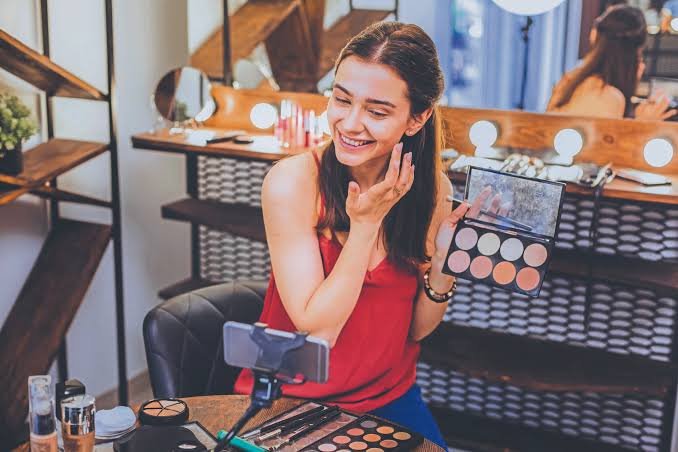
Micro-influencers often build audiences around specific interests, including fashion, beauty, food, travel, fitness and local culture. Their relatively focused audiences can make them attractive to brands seeking engagement within particular communities.
However, securing a collaboration does not guarantee predictable income. Creators may complete filming, editing, posting and revisions before beginning a lengthy payment process. When payments are delayed, the gap between completing work and receiving earnings can create financial pressure.
Why Brands Are Turning to Micro-Influencers
Brands increasingly use influencer marketing to reach audiences through content that feels relevant to their interests and everyday experiences. Instead of relying exclusively on celebrities or influencers with millions of followers, companies may collaborate with smaller creators whose audiences are concentrated around a particular subject, location or language.
A local food creator, for example, can introduce a restaurant to audiences in Nagpur, while a regional fashion creator can promote products to followers who share similar preferences and purchasing habits.
The appeal extends beyond Tier-1 cities. Creators in Tier-2 and Tier-3 markets can help brands communicate with audiences in regional languages and understand local consumer behaviour. Industry reports have also highlighted the growing importance of regional creators and niche content in India’s influencer marketing landscape. <Cite refs={[“turn896825search7″,”turn896825search28”]}/>
Smaller creators may also offer brands more focused audience engagement. Their effectiveness, however, depends on factors such as audience authenticity, content quality, campaign objectives and actual results.
This growing demand creates opportunities for creators to earn through sponsored videos, product reviews, event appearances, affiliate marketing and longer-term partnerships. Yet the commercial arrangements behind these opportunities do not always provide the same level of security as a regular salaried job.
How Payment Delays Affect Independent Content Creators
For many micro-influencers, a brand collaboration involves several stages before a payment reaches their bank account. A creator may receive a brief, agree to the terms, develop a concept, shoot the content, edit it, submit it for approval and publish it according to the campaign schedule.
Payment may depend on additional steps, including brand approval, invoice submission, internal procurement procedures and processing by an agency or intermediary.
Mint’s September 2026 report identified these administrative processes, along with documentation problems and changing campaign timelines, as factors contributing to payment delays. Industry participants also described payment cycles of 60 to 90 days in some cases. <Cite refs={[“turn896825search1″,”turn896825search2”]}/>
For a creator working independently, the consequences can be immediate. A person may need to pay an editor, photographer, studio or travel provider before receiving the campaign fee. If payment is delayed, the creator must cover these expenses from savings or other income.
Consider a hypothetical creator who completes two sponsored videos worth ₹15,000 each. The expected earnings are ₹30,000, but if the agreed payment date passes without payment, that money cannot be used to cover current expenses.
The problem becomes more serious when several campaigns are delayed simultaneously. The creator may appear busy and commercially successful online while struggling to manage cash flow behind the scenes.
Why Micro-Influencers Are More Vulnerable Than Larger Creators
Larger influencers often have talent managers, accountants, legal advisers or dedicated teams to negotiate contracts and follow up on outstanding invoices. Some also have stronger bargaining power because brands value their reach or established reputation.
Micro-influencers frequently handle these responsibilities themselves. They may negotiate fees through direct messages, coordinate campaign approvals over WhatsApp and send invoices without professional administrative support.
This difference can leave smaller creators with fewer options when a brand or agency misses a payment deadline.
Mint’s reporting noted that independent creators often lack the negotiating power and support systems available to larger influencers. Their income can also fluctuate significantly because campaigns are irregular and depend on brand budgets, seasonal demand and commercial priorities. <Cite refs={[“turn896825search1”]}/>
A creator might receive several offers during a festive campaign period and then experience a quieter month. If the earlier payments are also delayed, the gap between expected and actual income becomes harder to manage.
This uncertainty makes financial planning difficult. Creators may postpone equipment purchases, reduce spending on production or accept new collaborations before resolving outstanding dues.
The issue is not that every brand or agency delays payments. Many collaborations are completed according to agreed terms. The concern is that inconsistent payment practices can leave smaller creators exposed when disputes or administrative delays occur.
How Informal Brand Deals Increase Financial Risks
One recurring problem in influencer marketing is the use of informal agreements. A collaboration may be finalised through a social media direct message, email or WhatsApp conversation without a detailed contract.
Such arrangements can work when both parties understand their responsibilities. However, they can become difficult to manage when the scope of work changes or payment expectations differ.
A creator may believe the fee covers one video and one round of revisions, while a brand may request additional edits or content formats. If the agreement does not clearly define the deliverables, the campaign can face approval delays and disagreements over payment.
A written agreement should specify the campaign fee, deliverables, posting schedule, revision limits, approval process and payment deadline. It should also clarify whether payment is due before publication, immediately after delivery or within a specified period after the invoice is accepted.
Where an agency sits between a brand and a creator, the agreement should identify the responsible paying party and explain the payment process.
Clear documentation cannot eliminate every dispute, but it gives both sides a reference point when questions arise. It can also help creators distinguish between a genuine administrative delay and a payment obligation that is being repeatedly postponed.
What Brands and Agencies Can Do to Improve Payment Practices
Brands and agencies can reduce uncertainty by establishing clear payment terms before a campaign begins. The agreed timeline should be communicated directly to the creator rather than left open-ended.
For smaller campaigns, partial upfront payment may help creators cover production costs. Another option is to divide the fee into milestones, such as an advance payment followed by the balance after delivery or publication.
Businesses can also improve their internal processes by confirming invoices promptly, identifying missing documentation early and informing creators when a payment is delayed.
Agencies face their own financial pressures when brands pay late. However, creators should not be left without clear information about who is responsible for paying them or when the outstanding amount is expected.
Moneycontrol’s June 2026 reporting described how delayed brand payments, informal arrangements and thin agency margins were creating pressure across India’s influencer marketing ecosystem. The report noted that some smaller agencies experienced 60 to 90-day payment delays from brands, with the stress sometimes passing down to creators. <Cite refs={[“turn896825search0”]}/>
The industry could benefit from more standardised contracts, transparent payment tracking and clearer communication between brands, agencies and creators.
Practical Steps Micro-Influencers Can Take to Protect Their Earnings
Creators cannot control every stage of a company’s payment process, but they can reduce some risks before accepting a collaboration.
First, they should confirm the fee and payment deadline in writing. The agreement should also explain when the payment period begins, particularly if it depends on invoice acceptance or content approval.
Second, creators should keep records of the brief, approved deliverables, published content, invoices and follow-up messages. These documents can help resolve disagreements about whether the work has been completed.
Third, creators should maintain a record of outstanding payments and follow up professionally when deadlines pass. If a payment remains unresolved, they can consider a formal written demand and seek qualified legal advice where appropriate.
It is also sensible to assess a brand or agency before committing significant time or money. Creators can check its business identity, past collaborations and references from other creators. Requests to pay suspicious registration fees or other unexplained charges to secure a brand deal should be treated cautiously.
Finally, creators should avoid depending entirely on one source of income where possible. A combination of brand partnerships, affiliate income, platform monetisation and other legitimate services may reduce the effect of an individual delayed payment.
These measures cannot guarantee timely payment, but they can improve documentation, negotiation and financial planning.
Can India’s Creator Economy Become More Financially Sustainable?
India’s creator economy has developed into a significant part of digital marketing. The India Influencer Marketing Report 2025 from WPP Media and The Goat Agency estimated the country’s influencer marketing industry at ₹3,600 crore in 2024 and projected growth of 25% in 2025. The report also highlighted the increasing importance of creator content in brand strategies. <Cite refs={[“turn896825search6”]}/>
Growth in marketing expenditure, however, does not automatically translate into stable earnings for every creator. A healthy industry needs payment practices that reflect the work involved in producing content.
Micro-influencers are not simply individuals publishing posts for exposure. Paid collaborations can require research, scripting, filming, editing, equipment, travel, audience management and compliance with campaign requirements.
Brands benefit from this work when it helps them reach relevant audiences. Creators therefore need clear commercial terms and a reliable process for receiving the agreed compensation.
More transparent contracts, predictable payment schedules and stronger professional standards could help improve trust across the industry. Brands would benefit too, because creators who are paid fairly and on time are better positioned to deliver consistent work and maintain long-term relationships.
The central challenge is to ensure that the financial systems supporting influencer marketing develop alongside the industry’s growing commercial ambitions.
Key Takeaways
- India’s micro-influencers face payment delays and irregular income despite growing opportunities for brand collaborations.
- Long approval processes, documentation problems and informal agreements can delay payments.
- Smaller creators may face greater financial pressure because they often pay production costs upfront and lack dedicated legal or administrative support.
- Written contracts, clear payment deadlines, transparent communication and proper invoice records can help reduce disputes.
Frequently Asked Questions
1. Why do micro-influencers in India face payment delays?
Payments may be delayed by brand approval processes, invoice problems, procurement procedures, intermediary agencies and changes in campaign timelines. Informal agreements can make disputes harder to resolve.
2. How long can influencer payments take in India?
Payment terms vary by brand and contract. Industry reporting has documented 60 to 90-day payment cycles in some cases, while other creators have reported waiting several months beyond expected deadlines.
3. How can micro-influencers protect themselves against late payments?
Creators should agree on fees and deadlines in writing, define deliverables and revision limits, keep invoices and campaign records, and follow up formally when payments become overdue.
4. Why are brands investing in micro-influencers?
Micro-influencers can help brands reach focused audiences through niche content, regional languages and local communities. Their value depends on audience relevance, content quality and campaign performance, rather than follower count alone.








Leave a comment