

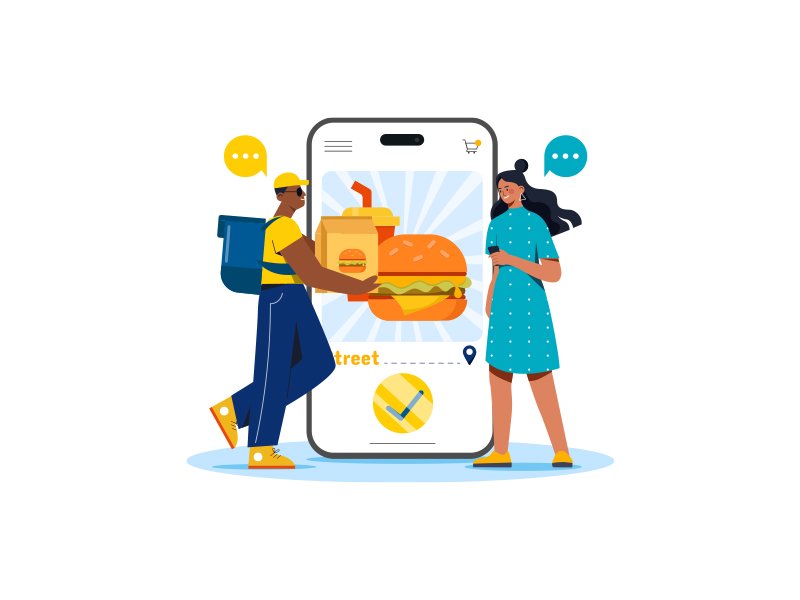
Food delivery apps, quick-service restaurants and digital dining platforms are changing how young Indians access meals. Busy schedules, wider food choices, digital payments and changing social habits are making convenience a major factor in everyday food decisions.
Convenience Is Changing Young Indians’ Food Habits
Food delivery and eating out have become important parts of everyday life for many young Indians. Instead of depending entirely on home-cooked meals, students, working professionals and young families are increasingly choosing restaurants, takeaway counters and online delivery platforms to manage their food requirements.
The change is not simply about avoiding cooking. It reflects how people organise their time, socialise and make everyday spending decisions. A student returning late from college may order dinner through an app, while an employee working long hours may prefer a quick meal from a nearby restaurant.
Digital platforms have made these choices easier by bringing restaurant menus, prices, ratings and delivery options together. Consumers can compare different options without visiting multiple outlets, making food ordering a convenient part of their daily routine.
Busy Lifestyles Are Increasing Demand for Food Delivery
Time is one of the biggest reasons behind the growing popularity of food delivery. Young professionals often manage office responsibilities, commuting, personal commitments and social activities within limited hours. Preparing every meal at home may not always fit into their schedules.
College students face similar challenges. Those living in hostels, shared apartments or rented accommodation may not have access to a fully equipped kitchen. Ordering food can become a practical alternative, particularly during examinations, project deadlines or late study sessions.
Food delivery platforms also allow consumers to order meals at different times of the day. Breakfast, lunch, evening snacks and late-night meals are no longer restricted to traditional restaurant visits.
The 2025 How India Eats report by Swiggy and Kearney identified convenience and digital adoption as important drivers of the country’s food services market. It also highlighted the growing popularity of late-night food orders, showing how consumer demand is extending beyond conventional meal timings.
Food Delivery Apps Offer Variety and Easy Access
Another reason young consumers prefer ordering food online is the variety available through digital platforms. Customers can explore regional Indian dishes, international cuisines, desserts, beverages and meals from different restaurant categories using a single application.
This variety encourages experimentation. Someone who usually orders North Indian food may try Korean, Mexican or Vietnamese dishes after discovering them through an app or social media recommendation.
The Swiggy and Kearney report noted a 20% increase in the number of unique cuisines ordered per customer and a 30% increase in the number of restaurants ordered from per customer. These figures indicate that online food platforms are helping consumers explore more options.
The trend is also influencing restaurant businesses. Restaurants are expanding their menus, introducing new food formats and using digital platforms to reach customers beyond their immediate neighbourhoods.
For young consumers, the ability to discover new food without travelling across a city makes online ordering particularly attractive.
Eating Out Remains Important for Social Experiences
Although food delivery offers convenience, it has not replaced the experience of eating out. Restaurants, cafés and casual dining outlets continue to attract young consumers who want to spend time with friends, celebrate occasions or take a break from their regular routines.
For many people, eating out is about more than the meal itself. The ambience, music, presentation, location and opportunity to socialise contribute to the overall experience.
Cafés have become popular meeting places for college students, young professionals and content creators. Some consumers also select restaurants based on their interiors, unique menus and suitability for photographs or social media posts.
The Swiggy-Kearney report highlighted the growing importance of dining experiences among younger consumers. It also noted that Gen Z is showing strong growth in the dining-out segment, with demand for distinctive locations and innovative food experiences.
This suggests that convenience and experience are not competing preferences. Young consumers may order food at home during a busy weekday but choose a restaurant for a weekend outing.
Digital Payments and Discounts Influence Food Choices
The growth of digital payments has made food ordering and restaurant transactions easier. Consumers can pay through UPI, cards, wallets and other digital payment methods without depending on cash.
Food delivery applications also offer features such as saved addresses, previous orders, personalised recommendations and payment options. These reduce the effort required to place repeat orders.
Discounts and promotional offers influence decisions as well. Young consumers who manage limited monthly budgets often compare prices across restaurants and platforms before placing an order. Free delivery offers, coupons, meal combinations and loyalty benefits can make certain options more attractive.
However, convenience does not automatically mean affordability. Delivery charges, platform fees, taxes and additional costs can increase the final bill. Consumers may find that a restaurant meal costs less when ordered directly or purchased in person.
Price sensitivity remains an important consideration. Euromonitor’s 2026 assessment of India’s consumer foodservice market noted that rising costs made consumers more price-conscious in 2025, encouraging a shift towards affordable food options, including quick-service restaurants.
Smaller Cities Are Also Embracing Food Delivery
Food delivery and organised restaurant services are no longer limited to India’s largest metropolitan markets. Digital access, expanding restaurant networks and changing consumer expectations are supporting adoption in smaller cities as well.
In cities such as Nagpur, Indore, Jaipur, Lucknow and Surat, young consumers can explore a mix of local restaurants, national food chains, cafés and cloud kitchens through online platforms.
The preferences may differ from one city to another. Local food habits, household budgets, delivery availability and restaurant choices influence how frequently people order meals or eat outside.
The Swiggy-Kearney report also highlighted the growing importance of cities beyond the largest urban markets. It noted that dining-out growth beyond the top eight cities was twice the rate recorded in those cities, pointing to opportunities in emerging urban centres.
For smaller cities, this creates opportunities for local restaurants to reach new customers without depending entirely on walk-in traffic. It also gives consumers access to a wider range of food choices.
Health, Quality and Food Safety Still Matter
While convenience is a major reason for choosing delivery and eating out, young consumers are also becoming more aware of food quality, nutrition and safety.
Regularly ordering meals may make life easier, but consumers still need to consider portion sizes, ingredients, hygiene and nutritional balance. Frequent consumption of food high in salt, sugar or saturated fat can make it difficult to maintain a balanced diet.
PwC’s Voice of the Consumer 2025 India report found that 84% of surveyed consumers were extremely or very concerned about food safety. It also reported that 38% of respondents ate out at least once a week and 41% ordered takeout.
These findings show that convenience exists alongside concerns about quality and safety. Restaurants and delivery platforms therefore have a reason to provide clearer information about ingredients, preparation methods and hygiene standards.
Consumers can also make more informed choices by checking restaurant information, reviewing menus and avoiding the assumption that every quick meal is a healthy one.
What This Trend Means for India’s Food Industry
The preference for convenient food options is creating opportunities across the food services industry. Restaurants are adapting through takeaway counters, delivery partnerships, digital menus, cloud kitchens and quick-service formats.
The Swiggy-Kearney How India Eats 2025 report projected that India’s food services market could exceed US$125 billion by 2030. It also expected the organised segment to grow at twice the pace of the unorganised segment.
These projections reflect the industry’s potential, but businesses will need to balance convenience with affordability, quality and customer satisfaction. Faster delivery alone may not be enough to retain customers if food arrives cold, packaging is poor or prices are unclear.
Local restaurants may benefit from offering reliable delivery, simple digital ordering and menus suited to neighbourhood preferences. At the same time, cafés and dine-in outlets can attract customers by creating comfortable spaces and distinctive dining experiences.
For young consumers, the future of food services is likely to involve a combination of online ordering, takeaway and restaurant visits rather than dependence on one format.
Key Takeaways
- Busy schedules and limited time are encouraging young consumers to choose food delivery and quick meals.
- Digital platforms make it easier to discover restaurants, compare prices and explore different cuisines.
- Eating out continues to be popular for socialising, celebrations and unique dining experiences.
- Affordability, food safety, nutrition and service quality remain important alongside convenience.
Frequently Asked Questions
1. Why do young Indians prefer food delivery apps?
Young consumers often use food delivery apps because they save time, offer multiple restaurant choices and make ordering possible from home, college or the workplace.
2. Is eating out becoming more popular among Gen Z?
Reports on India’s food services industry indicate growing interest in dining experiences among younger consumers. Cafés, casual restaurants and distinctive food outlets are attracting customers looking for social experiences.
3. Are food delivery services growing in smaller Indian cities?
Yes. Expanding restaurant networks, digital adoption and changing consumer preferences are creating opportunities for food delivery services beyond major metropolitan areas. Adoption and availability still vary by city.
4. Does convenience mean young consumers are spending less on food?
Not necessarily. Convenience can save time, but delivery fees, restaurant pricing and frequent orders may increase spending. Consumers often compare offers and meal prices to manage their budgets.
(Internal keyword suggestions: food delivery in India, young consumers eating habits, online food ordering trends, Gen Z food preferences, eating out culture in India, food delivery apps, Indian food services market, restaurant industry trends, convenience food choices)









Leave a comment