

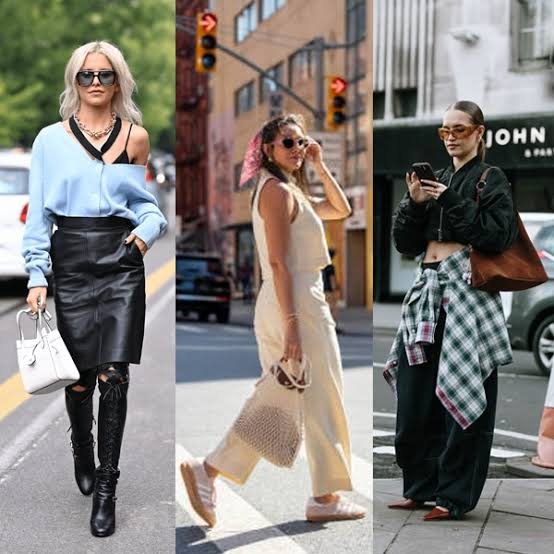
Summary: India’s fashion scene is no longer driven exclusively by metropolitan cities. Young consumers in Tier-2 and Tier-3 cities are combining regional traditions with global trends, using social media for inspiration and creating new opportunities for fashion brands across the country.
Smaller Cities Are Finding Their Own Fashion Identity
Regional fashion trends are becoming an important part of India’s changing youth culture. For years, metropolitan cities such as Mumbai, Delhi and Bengaluru were considered the primary centres of fashion influence. However, young consumers in cities such as Nagpur, Indore, Jaipur, Lucknow, Surat and Coimbatore are increasingly shaping fashion preferences through their own choices.
Affordable internet access, online shopping and social media have made fashion inspiration available beyond major urban centres. Young people can now follow international designers, Indian celebrities, regional creators and independent fashion labels without depending entirely on local retail collections.
But this shift is not simply about copying metropolitan styles. Consumers in smaller cities are developing individual preferences by combining contemporary clothing with regional influences, cultural traditions and practical requirements.
The result is a fashion culture that reflects both modern aspirations and local identity.
Regional Traditions Are Influencing Modern Fashion
One of the most noticeable developments is the growing connection between traditional Indian clothing and contemporary fashion. Young consumers are experimenting with ethnic wear in ways that make it suitable for everyday use, college events, workplaces and social gatherings.
Kurtas, sarees, kurta sets, dupattas and Indo-Western outfits are no longer limited to weddings and festivals. Many consumers are choosing simpler designs, comfortable fabrics and versatile combinations that can be worn on multiple occasions.
Regional textiles and craft traditions also offer opportunities for distinctive styling. Bandhani from Gujarat and Rajasthan, Chanderi from Madhya Pradesh, Paithani from Maharashtra and traditional handloom fabrics from different states provide design elements that can be adapted for contemporary wardrobes.
The growing popularity of everyday ethnic wear reflects this shift. A May 2025 announcement by Flipkart Fashion reported that its ethnic wear category had attracted more than six million unique shoppers in one year. Tier-3 and smaller towns contributed 55% of its shopper volume, while nearly half of the buyers were below 35 years of age.
These figures suggest that traditional clothing continues to have strong relevance among younger consumers, including those shopping through digital platforms.
Social Media Is Bringing Global Fashion Trends Closer
Instagram Reels, YouTube videos, Pinterest and fashion creators have changed how young Indians discover clothing styles. Trends that once took months to reach smaller markets can now become popular through short videos and online communities.
Oversized T-shirts, baggy jeans, cargo trousers, co-ord sets, sneakers and athleisure are examples of contemporary styles that have gained visibility among young shoppers.
Flipkart’s December 2025 FlipTrends report highlighted the influence of Gen Z on fashion discovery. It identified demand for oversized clothing, baggy jeans, crop tops and co-ord sets, while noting that Tier-2 and Tier-3 cities were also showing faster adoption of several fashion categories.
Social media has also changed the role of fashion influencers. Young consumers increasingly discover products through regional creators who speak their language, understand local preferences and present outfits in familiar settings.
For example, a fashion creator from Nagpur or Indore can demonstrate how to style a traditional kurta with contemporary accessories. Such content may feel more relatable to local audiences than a campaign designed exclusively around metropolitan lifestyles.
This has created opportunities for smaller creators, local boutiques and independent designers to reach audiences without requiring large advertising budgets.
Affordable Fashion Is Driving Youth Participation
Price remains an important factor in fashion decisions, particularly among students and young professionals who manage their own budgets.
Many consumers want clothing that looks current but does not require expensive purchases. This has increased interest in affordable fashion retailers, online marketplaces, local boutiques and value-focused clothing labels.
The demand is not limited to basic clothing. Young shoppers are exploring affordable versions of trending styles, including statement shirts, casual dresses, accessories, footwear and occasion wear.
The expansion of organised fashion retail into smaller cities is also improving access to different price categories. Brands are increasingly recognising that consumers outside metros are interested in contemporary designs and do not necessarily want limited or outdated collections.
A JLL report on Gen Z-focused mass fashion brands noted that social media and digital platforms have reduced the fashion consumption gap between Tier-1 and Tier-2 cities. It also highlighted the expansion of youth-focused brands into markets such as Indore, Jaipur and Chandigarh.
For young consumers, this means more choices across both physical stores and online shopping platforms.
Regional Influences Are Creating Different Fashion Preferences
India does not have one uniform fashion market. Clothing preferences vary according to climate, culture, local traditions, occasions and lifestyle.
A young consumer in Jaipur may be interested in traditional prints and colourful ethnic outfits, while someone in Kochi may prefer lighter fabrics suited to the local climate. In Maharashtra, traditional garments and regional textile influences can appear alongside western casual wear and contemporary occasion clothing.
These differences matter because fashion is connected to local identity. Weddings, religious celebrations, college festivals and family occasions influence what people purchase and how they style their outfits.
Brands that understand these differences can create collections that are more relevant to local consumers. This may include region-specific designs, suitable fabric choices, festive collections and clothing that reflects local preferences.
A December 2025 analysis published by Indian Retailer highlighted localisation as an important factor for fashion businesses entering Tier-2 and Tier-3 markets. It pointed out that consumer preferences can differ considerably between cities, making regional understanding important for product selection and marketing.
This is why successful fashion strategies increasingly require more than simply opening stores in new locations.
Local Boutiques and Designers Are Finding New Opportunities
The changing fashion market is also creating opportunities for local businesses. Boutiques, independent designers, tailoring businesses and small clothing labels can reach customers through Instagram, WhatsApp and online marketplaces.
Earlier, many local fashion businesses depended heavily on walk-in customers and word-of-mouth recommendations. Digital platforms now allow them to display collections, share styling ideas, announce new arrivals and receive orders from customers in other neighbourhoods or cities.
Local designers also have an opportunity to experiment with regional fabrics, embroidery and traditional techniques while offering modern silhouettes.
For instance, a boutique can create contemporary kurta sets using locally sourced textiles or offer customised festive outfits inspired by regional designs. Such products can appeal to consumers looking for clothing that feels distinctive rather than mass-produced.
However, competition is increasing. Businesses need to maintain consistent quality, provide accurate product information, manage delivery expectations and build customer trust.
What This Means for India’s Youth Culture
Fashion has become an important way for young people to express personality, creativity and cultural identity. For consumers in smaller cities, this expression often involves balancing modern trends with family expectations and regional traditions.
A person may wear oversized streetwear with friends, choose ethnic clothing for a family celebration and prefer comfortable everyday outfits for college or work. These choices do not necessarily represent conflicting identities. They reflect the ability to adapt fashion to different situations.
Research published by WGSN in March 2026 described this balance among Gen Z consumers in Tier-2 and Tier-3 India as a form of negotiated freedom. Young people are navigating individuality alongside family expectations, social approval and a sense of belonging.
This helps explain why regional fashion is not simply a revival of traditional clothing or an adoption of global trends. It is a combination of both.
As digital discovery and organised retail continue to expand, smaller cities are likely to remain important markets for fashion businesses. More importantly, their consumers are becoming active participants in deciding what Indian youth culture looks like.
Key Takeaways
- Tier-2 and Tier-3 cities are increasingly influencing India’s fashion preferences and retail growth.
- Young consumers are combining traditional Indian clothing with contemporary styles.
- Social media and regional influencers are making fashion trends more accessible beyond metropolitan cities.
- Affordable fashion, local boutiques and regional designs are creating new opportunities for businesses.
Frequently Asked Questions
1. How are Tier-2 cities influencing India’s fashion trends?
Young consumers in Tier-2 cities are adopting contemporary styles, supporting local fashion businesses and combining regional clothing traditions with global influences. Their growing participation is encouraging brands to expand collections and retail operations beyond metros.
2. What fashion trends are popular among Gen Z in smaller Indian cities?
Oversized T-shirts, baggy jeans, co-ord sets, cargo trousers, athleisure, sneakers and contemporary ethnic wear are among the styles receiving attention. Preferences differ depending on location, budget and occasion.
3. Is traditional Indian fashion becoming popular among young consumers?
Traditional clothing remains relevant, particularly through everyday ethnic wear and Indo-Western combinations. Young consumers are adapting regional textiles, prints and silhouettes for college, work and social occasions.
4. How is social media changing regional fashion businesses?
Instagram, YouTube and other digital platforms help local boutiques and designers showcase collections, connect with customers and promote regional styles. They also allow smaller creators to influence fashion discovery in their communities.
(Internal keyword suggestions: regional fashion trends in India, Tier-2 city fashion trends, Gen Z fashion India, youth culture in smaller cities, Indian ethnic wear trends, affordable fashion brands India, regional fashion influencers, fashion retail growth in India, social media fashion trends)







Leave a comment