


Young consumers in India’s smaller cities are changing the country’s shopping and spending patterns. From food delivery and travel to online subscriptions and fashion, Gen Z is combining digital convenience with careful spending decisions. A new Bharat Z study highlights how this generation discovers brands, evaluates products and decides where to spend its money.
What Is Bharat Z and Why Does It Matter?
Bharat Z refers to young Indian consumers from Tier 2, Tier 3 and Tier 4 cities who are influencing the country’s evolving consumer market.
The second edition of MSL India’s Bharat Z Vibe Check report, developed in collaboration with Youth Ki Awaaz, examines the spending habits, digital behaviour, entertainment preferences and brand choices of young consumers outside major metropolitan areas.
The study surveyed 3,509 respondents aged 18 to 29 across smaller Indian cities and regions between July and August 2026.
Its findings challenge the assumption that young consumers in smaller cities follow the same shopping patterns as metropolitan audiences. They are active digital consumers, but their purchase decisions are also shaped by affordability, family recommendations, product quality and personal priorities.
For brands, this audience represents an important market that requires a better understanding of local preferences rather than a one-size-fits-all marketing strategy.
Food Delivery and Eating Out Lead Gen Z Spending
Food delivery and eating out emerged as the leading self-spending category among respondents. Around 58.2% selected this category among their major discretionary spending choices.
Travel and trips came next at 44.1%, followed by fashion, beauty and personal care at 33.5%. Gadgets, phones and accessories accounted for 31%, while books, courses and learning were selected by 28.5%.
These figures suggest that young consumers are allocating money across both everyday experiences and personal interests.
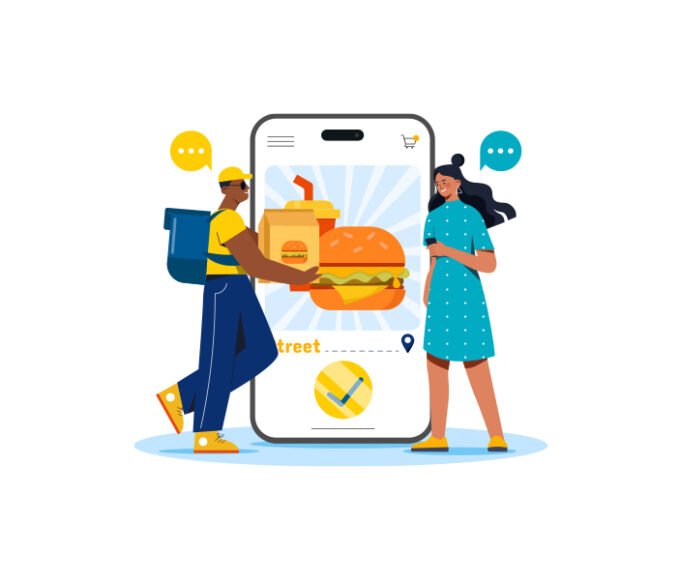
Food delivery has become more than an occasional convenience for many young people. Online menus, digital payments, restaurant offers and social media recommendations make it easier to discover food options.
Eating out also offers a social experience. Cafes, restaurants and casual dining spaces have become places where friends meet, celebrate occasions and spend time together.
For businesses, this creates opportunities beyond major cities. Local restaurants, food brands and delivery services can attract young consumers by offering convenient ordering, accessible pricing and products suited to regional preferences.
How Much Do Young Consumers in Smaller Cities Spend?
The Bharat Z Vibe Check report also provides an indication of how much respondents spend on themselves after accounting for regular monthly expenses.
Around 34% said they spend between ₹2,000 and ₹5,000 on themselves. Another 33.7% reported spending less than ₹2,000, while 18.8% allocated between ₹5,000 and ₹10,000.
These findings highlight an important characteristic of the market: digital adoption does not necessarily mean unlimited purchasing power.
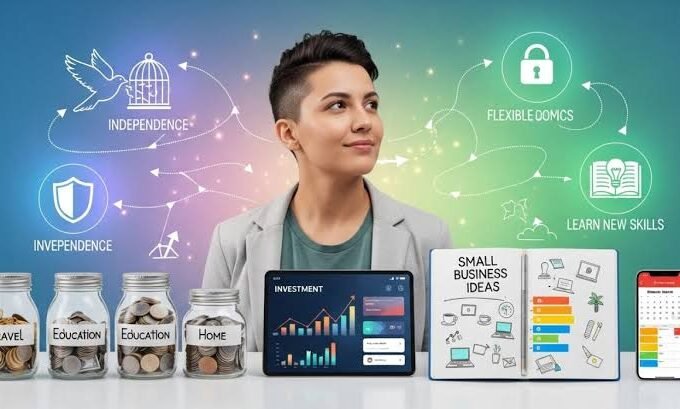
Many young consumers have to balance personal purchases with education, household contributions, transport and other regular expenses. Their discretionary budgets influence which products they choose and how frequently they shop.
Brands targeting this audience may therefore need to offer products across different price points. Affordable options, clear product information and genuine value can matter as much as premium positioning.
The findings also suggest that businesses should not assume that every young consumer in a smaller city has the same financial capacity or spending priorities.
Instagram Is Becoming a Major Product Discovery Channel
Social media has become an important part of the shopping journey for Bharat Z.
According to the report, 55.8% of respondents said they typically discover products they eventually purchase through Instagram Reels, posts or creators.
YouTube videos and reviews were cited by 39% of respondents, while 29.8% discovered products through e-commerce applications such as Amazon, Flipkart, Myntra and Nykaa.
Online search engines, websites and review platforms accounted for 23.2%.
This shows how product discovery is increasingly connected to everyday digital entertainment. A person watching a fashion reel, food video or gadget review may come across a product they later consider purchasing.
For brands, Instagram is not simply a platform for advertising. It can also act as an entry point into the consumer’s buying journey.
However, visibility does not automatically lead to sales. Consumers still evaluate price, quality, usefulness and credibility before spending money.
Family and Friends Still Influence Buying Decisions
One of the most interesting findings in the Bharat Z report is the difference between product discovery and purchase trust.
While Instagram helps young consumers discover products, 73.1% said they trust recommendations from family and close friends the most when deciding whether to buy something new.
This indicates that digital influence and personal relationships work together rather than replacing each other.
A young consumer may first discover a skincare product through an Instagram creator, watch reviews on YouTube and then ask friends or family members for their opinions before purchasing it.
The report also found that 54.8% of respondents trust Reels and short-video advertisements when considering a purchase. Around 48% said they consider recommendations from smaller creators they follow.
For businesses, this means influencer marketing needs to focus on credibility. A creator with a smaller but engaged audience may influence purchase consideration through relatable content and consistent recommendations.
Brands that combine digital visibility with reliable customer experiences and positive word-of-mouth may be better positioned to build long-term trust.
Quick Commerce Is Becoming Part of Everyday Shopping
Quick-commerce applications are also finding regular users in smaller Indian cities.
The Bharat Z Vibe Check study found that more than half of respondents used quick-commerce platforms at least once a week.
Around 39.4% ordered multiple times a week, while 22.7% used these services approximately once a week. Another 22.6% reported ordering once or twice a month.
The report also observed differences across age groups. Regular usage was higher among respondents aged 25 to 29 than among those aged 18 to 21.
This could reflect differences in income, financial independence, daily routines and convenience requirements.
Quick commerce is changing how consumers approach everyday purchases. Products such as groceries, snacks, household essentials and personal-care items can be ordered through applications instead of requiring a visit to a physical store.
However, frequent usage does not mean consumers are ignoring costs. Delivery charges, product prices, discounts and convenience all influence whether a quick-commerce order feels worthwhile.
Digital Payments Are Supporting Smaller-City Consumption
Digital payments have become a regular part of spending among young consumers.
The Bharat Z report found that 84.5% of respondents paid bills, purchased products and transferred money online.
UPI has played an important role in making small-value digital transactions convenient. Consumers can pay restaurants, local shops, online sellers and service providers without relying entirely on cash.
Digital payments also support the growth of e-commerce and quick-commerce services because transactions can be completed directly through mobile applications.
For younger consumers, paying online is often part of the normal shopping process rather than a separate financial activity.
This behaviour creates opportunities for fintech companies, payment providers and retailers. However, businesses must also pay attention to transaction security, refund processes and transparent pricing.
Easy payment options can encourage purchases, but trust remains essential when consumers are sharing financial information or using digital platforms for the first time.
OTT, Online Learning and Music Subscriptions Are Growing
Bharat Z consumers are also spending on digital services that support entertainment, education and personal interests.
The study found that 50.6% of respondents currently paid for OTT services. Online learning and course platforms were used by 31.9%, while 31.2% paid for music services.
Gaming subscriptions were reported by 20% of respondents, and 18.9% paid for fitness applications or gym memberships.
These figures show that subscription spending extends beyond entertainment. Young consumers are also paying for educational resources, music access and digital fitness services.
The growth of regional-language content, affordable subscription plans and mobile-first services may help platforms reach audiences outside metropolitan markets.
At the same time, subscriptions compete for limited monthly budgets. Consumers may choose only a few services and cancel others when prices increase or usage declines.
For digital businesses, affordability, relevant content and regular value delivery are important factors in retaining younger subscribers.
Indian Brands Have an Advantage in Several Categories
The report highlights a preference for Indian brands across selected consumer categories.
Around 57.1% of respondents preferred domestic brands over global alternatives in fashion and clothing. In food, snacks and beverages, the preference for Indian brands stood at 51.7%.
Personal care and beauty also showed interest in domestic brands, with 28.4% expressing a preference for Indian options.
This does not mean that young consumers automatically choose a product because it is Indian. Product quality, pricing and credibility continue to influence final decisions.
Local brands may benefit from understanding regional tastes, cultural preferences and price expectations. They can also build stronger connections by using familiar languages and relatable marketing.
For example, a fashion brand that offers styles suited to local preferences and accessible pricing may connect with consumers more effectively than one relying only on international trends.
The opportunity for Indian brands lies in combining local understanding with consistent product quality.
What Businesses Can Learn From Bharat Z Spending Habits
The findings offer several lessons for companies targeting younger consumers in smaller cities.
First, brands need to understand where customers discover products. Instagram, YouTube and online marketplaces are important channels, but traditional advertising alone may not be enough to generate interest.
Second, businesses should focus on trust. Recommendations from family and friends remain influential, making customer satisfaction and genuine reviews important parts of marketing.
Third, affordability matters. A large proportion of respondents reported monthly self-spending below ₹5,000. Products with clear value and flexible price points can appeal to consumers managing limited discretionary budgets.
Finally, companies should avoid treating smaller cities as one uniform market. Preferences can vary across states, languages, age groups and income levels.
The broader message is that Bharat Z is digitally connected but also selective. Young consumers are exploring new products and services while evaluating whether they are worth the money.
Key Takeaways
- Food delivery and eating out are leading self-spending categories, selected by 58.2% of Bharat Z respondents.
- Instagram is a major product discovery channel, but 73.1% trust family and close friends most when making new purchase decisions.
- Around 84.5% use online payments, while more than half of respondents use quick-commerce applications at least weekly.
- Indian brands have a preference advantage in categories such as fashion, clothing, food and beverages, but quality and value remain important.
Frequently Asked Questions
1. What does Bharat Z mean?
Bharat Z refers to young Indian consumers, particularly Gen Z audiences in Tier 2, Tier 3 and Tier 4 cities. The term is used in MSL India’s research to understand their spending habits, digital behaviour and brand preferences.
2. What do Gen Z consumers in smaller cities spend the most on?
Food delivery and eating out are the leading self-spending categories, followed by travel, fashion, beauty, personal care and gadgets, according to the Bharat Z Vibe Check report.
3. How do young consumers in smaller cities discover new brands?
Instagram Reels, posts and creators are the leading discovery channel in the study. YouTube videos, reviews and e-commerce applications are also important sources of product discovery.
4. Do Gen Z consumers in smaller cities prefer Indian brands?
The study found that 57.1% preferred Indian brands in fashion and clothing, while 51.7% preferred domestic brands in food, snacks and beverages. However, product quality, value and credibility also influence purchasing decisions.
(Internal keyword suggestions: Bharat Z spending habits, Gen Z consumers in India, small city Gen Z shopping trends, Tier 2 city consumer behaviour, Tier 3 city spending habits, Indian Gen Z buying preferences, youth spending trends India, Instagram product discovery, quick commerce in smaller cities, Gen Z digital payments, Indian brands preference, Bharat Z Vibe Check report)








Leave a comment