

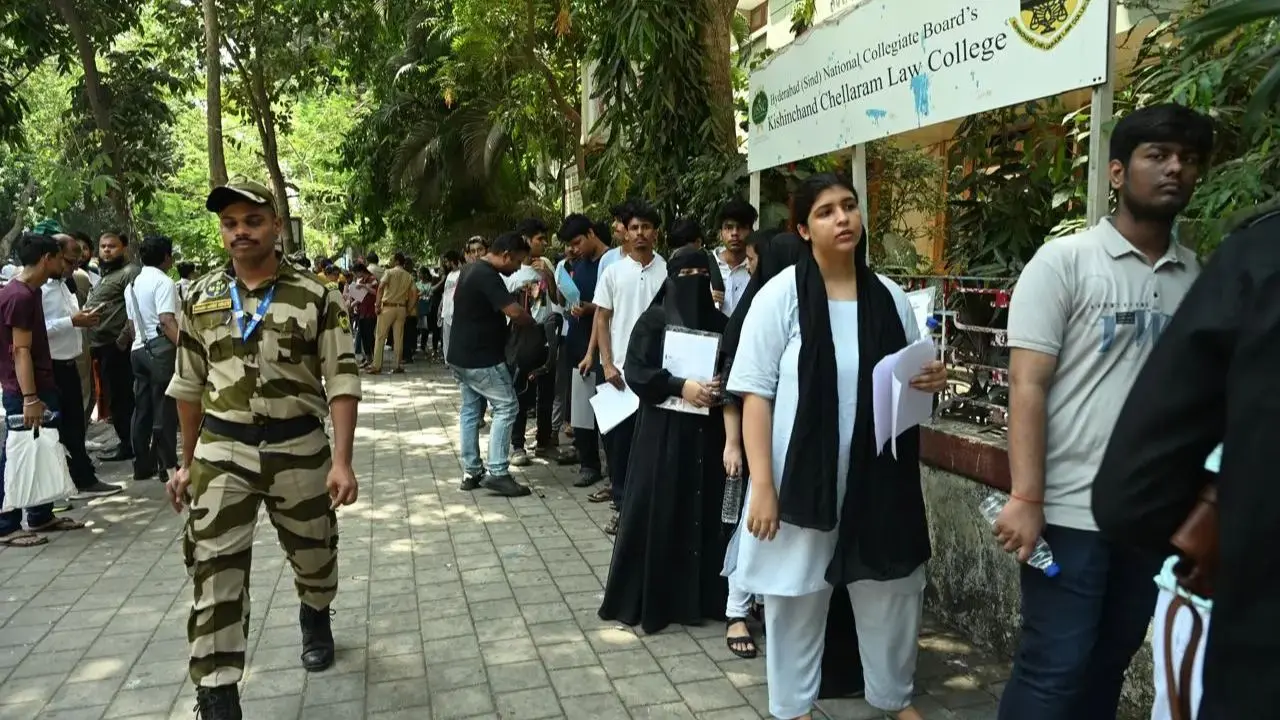
The NEET paper leak controversy has reignited concerns over the credibility of India’s biggest medical entrance examination. While investigations and reforms continue, students in Tier-2 and Tier-3 cities are dealing with anxiety, disrupted preparation, financial pressure, and uncertainty about their future.
The NEET paper leak row has become one of the biggest education stories in India in 2026. Allegations of a question paper leak, the cancellation and re-conduct of the examination, an ongoing CBI investigation, and nationwide protests have left millions of aspirants questioning the fairness of the admission process. Recent developments have also kept the issue at the centre of Parliament and public debate, with the Union government promising reforms and strict action against those responsible.
While the controversy has affected students across the country, its impact has been particularly significant in India’s Tier-2 and Tier-3 cities, where access to coaching, financial resources, and career alternatives is often more limited.
Why the NEET Row Matters Beyond the Examination
NEET is the single gateway for undergraduate medical admissions across India. Every year, lakhs of students from cities such as Nagpur, Kota, Guntur, Ranchi, Latur, Prayagraj, Patna, and Guwahati invest years preparing for the examination.
The alleged paper leak has raised broader questions about examination security and institutional trust. The Central Bureau of Investigation has registered cases, made multiple arrests, and stated that it is investigating an organised network allegedly involved in compromising the examination process. Government agencies have maintained that those responsible will face strict legal action.
For students, however, the legal investigation is only one part of the story. Many are more concerned about delayed admissions, uncertainty over counselling schedules, and the emotional toll of repeated disruptions.
Students in Small Cities Face Greater Pressure
Students from smaller towns often prepare under very different circumstances compared to those in metropolitan cities.
Many families spend a significant share of their savings on coaching institutes, hostel accommodation, study material, and travel expenses. When examinations are cancelled or delayed, these costs continue without certainty about outcomes.
Several students also depend on local coaching centres where options for academic guidance may be limited compared to larger education hubs. If examination schedules change unexpectedly, adapting becomes more difficult.
Parents in smaller cities frequently view medical education as a long-term investment capable of transforming the family’s economic future. As a result, any uncertainty surrounding NEET creates emotional stress for entire households rather than only individual candidates.
Mental Health Has Become a Growing Concern
The continuing controversy has affected student confidence.
Education experts have repeatedly highlighted that prolonged uncertainty can reduce concentration, increase examination anxiety, and create burnout among aspirants preparing for highly competitive examinations.
Recent protests across multiple cities have reflected growing frustration among students demanding greater transparency and accountability in national examinations. The Union Education Minister has acknowledged concerns and announced plans for reforms aimed at improving examination integrity and accountability.
Mental health professionals also recommend that aspirants avoid relying on rumours circulating on messaging platforms and instead follow official updates issued by the National Testing Agency and government authorities.
Social Media Adds Both Information and Confusion
Social media has become a major source of updates for NEET candidates.
While official announcements spread quickly online, misinformation also travels at high speed. In recent weeks, authorities have rejected several viral claims regarding OMR sheets and alleged discrepancies, stating that fabricated or digitally altered material was being circulated online.
This has made it increasingly important for students to verify information through official notifications instead of depending solely on social media posts or unofficial Telegram and WhatsApp groups.
Education counsellors advise aspirants to focus on authentic information, counselling schedules, and preparation rather than reacting to every viral claim.
What Reforms Could Restore Confidence?
The controversy has renewed discussions around stronger safeguards for national entrance examinations.
Experts have suggested tighter digital security, enhanced monitoring of question paper distribution, stronger background verification for personnel handling examination material, faster grievance redressal systems, and increased transparency throughout the examination process.
The government has indicated that reforms are being planned alongside continued investigation into the alleged paper leak. Political debates and public protests have also intensified pressure for systemic improvements.
For students, the biggest expectation remains simple: an examination process that is fair, transparent, and trusted by everyone.
Looking Ahead
The NEET paper leak controversy is no longer only an investigation into examination malpractice. It has become a broader conversation about trust in India’s competitive examination system.
For students from Tier-2 and Tier-3 cities, success often depends on years of disciplined preparation and significant financial sacrifice. Any disruption to that journey affects academic plans, family expectations, and future career opportunities.
As investigations continue and reforms are promised, restoring confidence in India’s examination system will be just as important as identifying those responsible for the alleged wrongdoing.
Key Takeaways
- The NEET paper leak controversy has created uncertainty for medical aspirants across India.
- Students in Tier-2 and Tier-3 cities face greater financial and emotional challenges due to examination disruptions.
- Authorities are continuing investigations while promising stronger examination security and reforms.
- Students should rely on official notifications instead of unverified information circulating on social media.
FAQ
Q1. Why has the NEET paper leak issue become so significant?
Because NEET is the single entrance examination for undergraduate medical admissions, any compromise affects lakhs of students and raises concerns about fairness.
Q2. How are students in small cities affected differently?
Many families invest heavily in coaching and preparation, making delays or examination disruptions financially and emotionally more difficult.
Q3. Is the investigation into the alleged paper leak still ongoing?
Yes. The CBI continues its investigation, while the government has announced plans for reforms and strict action against those found responsible.
Q4. Where should students check for authentic NEET updates?
Students should follow official notifications from the National Testing Agency and relevant government authorities instead of relying on unverified social media posts.










Leave a comment