

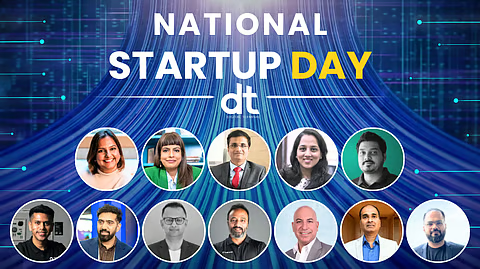
India’s startup ecosystem continues to evolve beyond e-commerce and fintech, with emerging companies focusing on artificial intelligence, climate technology, agritech, healthcare, manufacturing, and deep-tech innovation. As Bharat Innovates 2026 highlights the country’s entrepreneurial momentum, startups are increasingly building solutions designed for India’s unique challenges and future growth.
The story of Indian startups in 2026 is no longer limited to major metropolitan cities. Entrepreneurs from Tier-2 and Tier-3 regions are creating businesses that address real-world problems while contributing to employment generation, digital transformation, and economic development.
India’s Startup Ecosystem Enters a New Phase
The Indian startup ecosystem has matured significantly over the past decade. Earlier, much of the focus was on consumer internet businesses and digital marketplaces. Today, founders are increasingly targeting sectors that align with national priorities such as technology innovation, manufacturing, sustainability, healthcare access, and financial inclusion.
Government initiatives supporting entrepreneurship, improved digital infrastructure, and wider access to funding have helped accelerate startup growth. The availability of cloud computing, affordable internet, and AI-powered tools has also lowered barriers for new businesses.
As a result, startups are emerging from cities such as Jaipur, Indore, Kochi, Surat, Nagpur, Coimbatore, Bhubaneswar, and Chandigarh, demonstrating that innovation is spreading beyond traditional startup hubs.
AI and Deep-Tech Startups Lead Innovation
Artificial intelligence has become one of the most active areas of startup development in India.
Emerging startups are building AI-powered solutions for healthcare diagnostics, customer service automation, language translation, cybersecurity, education technology, and business productivity. Several companies are also working on generative AI applications tailored to Indian languages and regional markets.
Deep-tech startups focusing on robotics, semiconductor design, space technology, drones, and advanced computing are also attracting attention. These sectors require significant research and development investment but have the potential to create long-term competitive advantages.
Industry experts believe that India’s growing talent pool in engineering and software development positions the country well to become a global hub for AI-driven innovation.
Agritech and Rural Innovation Gain Momentum
Agritech remains one of the most important sectors for startup activity in India due to the country’s large agricultural economy.
Many emerging startups are developing technologies that help farmers improve productivity, manage water resources, monitor crop health, and access better market opportunities. Digital platforms are simplifying access to agricultural inputs, financial services, and supply chain networks.
Rural-focused startups are also working on solutions related to logistics, healthcare delivery, renewable energy, and education access.
The rise of these businesses reflects a broader shift toward solving problems faced by millions of people living outside major urban centers. Investors increasingly recognize the potential of startups that address challenges specific to Bharat rather than focusing only on metropolitan consumers.
Climate Tech and Sustainability Become Investment Priorities
Climate technology is rapidly becoming a major area of innovation for Indian startups.
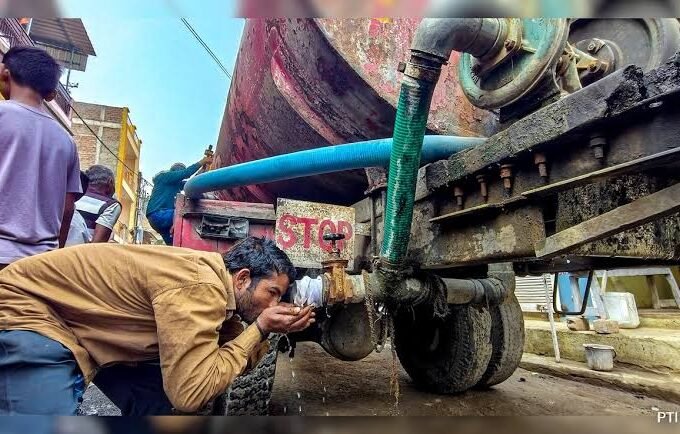
Concerns related to water scarcity, pollution, renewable energy, waste management, and sustainable agriculture are creating opportunities for entrepreneurs. Startups are building solutions that help industries reduce emissions, improve energy efficiency, and manage environmental resources more effectively.
Electric mobility continues to attract investment, with companies working on battery technology, charging infrastructure, and vehicle management systems. Renewable energy startups are also expanding their role in supporting India’s clean energy goals.
As environmental concerns gain importance globally, climate-focused startups may play a critical role in balancing economic growth with sustainability objectives.
Healthcare and Education Startups Expand Access
Healthcare innovation remains a strong area of startup activity, particularly in underserved regions.
Many startups are developing telemedicine platforms, diagnostic technologies, health monitoring applications, and AI-assisted healthcare tools. These solutions aim to improve accessibility and affordability while addressing shortages of healthcare professionals in some regions.
Education technology companies are also evolving. Instead of focusing only on online classes, many are building personalized learning platforms, skill development programs, career guidance tools, and AI-based educational support systems.
These innovations are particularly relevant for students and professionals in Tier-2 and Tier-3 cities, where access to specialized resources may be limited.
Manufacturing and Industrial Technology Startups Emerge
India’s emphasis on domestic manufacturing is creating new opportunities for industrial and manufacturing-focused startups.
Entrepreneurs are building solutions related to automation, supply chain optimization, industrial software, smart factories, and advanced materials. Some startups are also supporting local manufacturers through digital tools that improve productivity and operational efficiency.
The growth of manufacturing startups aligns with broader efforts to strengthen India’s industrial base and reduce dependence on imported technologies.
As industries increasingly adopt digital transformation strategies, technology-driven manufacturing startups are expected to play a larger role in the country’s economic future.
The Road Ahead for Bharat’s Innovators
The next phase of India’s startup journey is likely to be defined by problem-solving rather than rapid expansion alone.
Investors are increasingly focusing on sustainable business models, profitability, and long-term impact. At the same time, entrepreneurs are exploring opportunities in sectors that directly influence economic development and quality of life.
From artificial intelligence and agritech to healthcare and climate technology, emerging startups are helping shape the future of India’s economy. Their success could influence how the country approaches innovation, job creation, and global competitiveness over the coming decade.
Key Takeaways
- Indian startups are expanding beyond traditional sectors into AI, deep-tech, healthcare, agritech, and climate technology.
- Tier-2 and Tier-3 cities are becoming important centers of entrepreneurship and innovation.
- Sustainability, manufacturing, and rural development are attracting increasing startup investment.
- Emerging startups are focusing on solving real-world challenges while supporting economic growth.
FAQs
Q1. Which sectors are driving startup innovation in India in 2026?
Artificial intelligence, agritech, climate technology, healthcare, manufacturing, fintech, and deep-tech sectors are among the fastest-growing areas.
Q2. Are startups emerging outside major metropolitan cities?
Yes. Cities such as Indore, Jaipur, Nagpur, Surat, Kochi, and Coimbatore are witnessing growing startup activity.
Q3. Why is AI important for Indian startups?
AI helps improve efficiency, automate processes, support decision-making, and create innovative products across industries.
Q4. What challenges do emerging startups face?
Common challenges include funding access, market competition, regulatory compliance, talent acquisition, and scaling operations sustainably.
(Keywords: Bharat Innovates 2026, Indian Startups 2026, Startup Ecosystem India, AI Startups India, Agritech Startups, Climate Tech India, Deep Tech Startups, Tier-2 Startup Growth, Innovation in India, Future of Indian Entrepreneurship)










Leave a comment