


Clear skies and rising heat across Tier-2 cities signal the early summer phase in Central and North India. Cities like Nagpur, Indore, and Jaipur are already recording higher daytime temperatures, indicating a faster seasonal transition this year.
Early Summer Phase Begins Across Tier-2 Cities
The early summer phase in Tier-2 cities has become evident with clear skies and rising daytime temperatures across several regions. The absence of cloud cover is allowing direct solar radiation to heat urban surfaces more quickly, especially in inland cities.
Locations such as Nagpur and Indore are already witnessing temperatures crossing typical March averages. This shift is consistent with seasonal progression, but the pace appears slightly accelerated compared to previous years.
Meteorological patterns during late March often include brief transitional fluctuations. However, the current trend shows more stable dry conditions, which typically mark the onset of pre-summer heat.
For residents, this translates into warmer afternoons, reduced humidity during the day, and a noticeable increase in heat discomfort.
Rising Temperatures in Central India Cities Like Nagpur
Rising temperatures in Central India are being closely tracked as cities like Nagpur, Akola, and Raipur begin to approach peak seasonal ranges earlier than expected. These cities are geographically prone to higher heat intensity due to their inland location and dry climate.
Daytime temperatures in some areas are nearing the high 30s Celsius, which is significant for March. Night temperatures, however, remain relatively moderate, creating a sharp contrast between day and night conditions.
This pattern is often associated with the buildup to summer, where heat gradually intensifies before stabilizing in April and May. The clear sky conditions are playing a major role in accelerating this process.
Such early warming can also influence energy demand, particularly for cooling appliances, which begins to rise even before the official summer months.
Impact of Clear Skies on Urban Heat Conditions
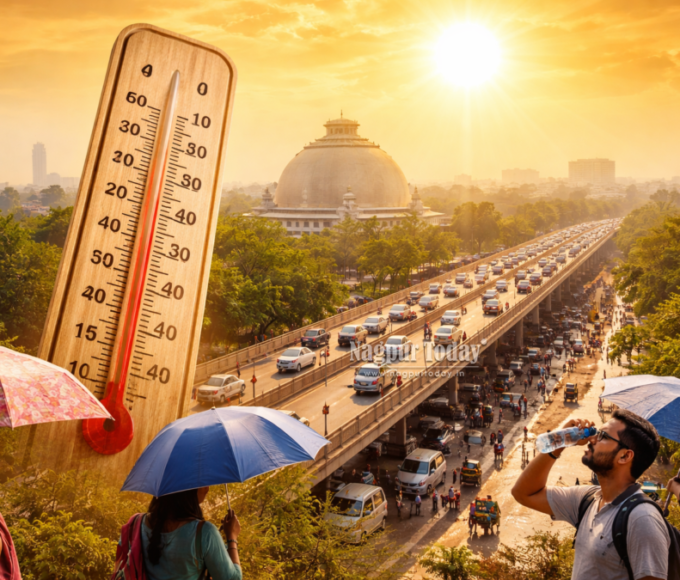
Clear skies contribute directly to urban heat buildup, especially in Tier-2 cities where green cover and heat management infrastructure may be limited. Concrete surfaces, roads, and buildings absorb and retain heat, amplifying local temperatures.
In cities like Jaipur and Bhopal, the combination of dry air and strong sunlight is creating conditions that feel hotter than recorded temperatures. This is often referred to as the urban heat effect.
Unlike coastal cities, inland Tier-2 regions lack moderating influences like sea breezes. As a result, temperature spikes can be more intense and prolonged.
These conditions also increase the risk of dehydration and heat fatigue, particularly for outdoor workers and commuters.
How Early Summer Affects Daily Life and Local Economies
The early arrival of summer in Tier-2 cities is already impacting daily routines. Schools, offices, and markets are gradually adjusting activity patterns to avoid peak afternoon heat.
Small businesses, especially street vendors and local markets, often see reduced footfall during hotter hours. At the same time, demand for seasonal products such as cold beverages, air coolers, and summer clothing begins to rise.
Agriculture is another sector influenced by these changes. Farmers must adjust irrigation schedules and crop management practices to cope with higher temperatures and faster soil moisture loss.
Transport and infrastructure systems also experience stress, as increased heat can affect road conditions and vehicle efficiency.
What the Early Heat Trend Indicates for Coming Months
The current trend of clear skies and rising heat suggests that Tier-2 cities may experience a longer and more intense summer season. While short-term fluctuations are still possible, the overall trajectory points toward sustained warming.
Meteorological data over recent years indicates that pre-summer phases are becoming more pronounced. This could be linked to broader climatic shifts affecting seasonal patterns across India.
Authorities may need to prepare for increased water demand, higher electricity consumption, and potential heatwave conditions in the coming months.
For residents, adapting early by adjusting routines and taking preventive measures can reduce the impact of rising temperatures.
Takeaways
– Clear skies are accelerating the onset of early summer in Tier-2 cities
– Cities like Nagpur and Indore are already recording higher temperatures
– Urban heat conditions are intensifying due to infrastructure and climate factors
– Early preparation is key as longer summer periods are likely
FAQs
Why are Tier-2 cities experiencing early summer conditions?
Clear skies and dry weather patterns are allowing temperatures to rise faster than usual during March.
Which cities are most affected by rising heat?
Central Indian cities like Nagpur, Indore, and Raipur are among the most affected due to their geographic location.
Is this early heat unusual?
While some warming is expected, the intensity and timing suggest a slightly accelerated seasonal shift.
How can people prepare for early summer?
Staying hydrated, avoiding peak heat hours, and using cooling solutions can help manage rising temperatures.








Leave a comment