

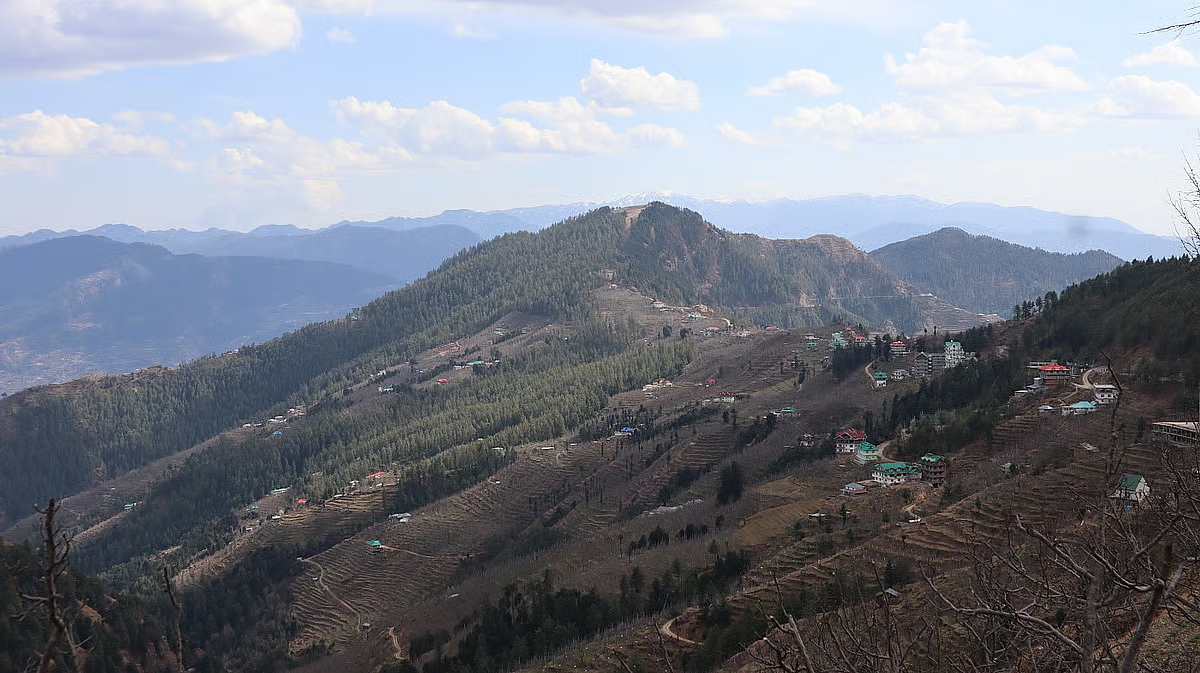
Extreme weather in March is becoming more frequent across India, raising concerns about whether climate change is altering long-established seasonal patterns. Unseasonal rains, heat spikes, and storms are disrupting agriculture, daily life, and economic planning across multiple regions.
Extreme weather in March becoming more frequent in India
Extreme weather in March has shifted from being occasional to increasingly common in India. Traditionally, March marks the transition from winter to summer, with stable temperatures and predictable conditions. However, recent years have seen unexpected rainfall, thunderstorms, and even heatwave-like conditions during this period.
Meteorological observations indicate rising variability in temperature and precipitation. Northern and central states have reported sudden drops in temperature due to western disturbances, while parts of western India have experienced early heat conditions.
This growing unpredictability is affecting not only weather patterns but also how people plan agriculture, travel, and daily routines.
Role of climate change in altering seasonal patterns
Climate change is widely considered a major factor behind the rise in extreme weather events. Increasing global temperatures influence atmospheric behavior, leading to irregular wind patterns, moisture distribution, and pressure systems.
In India, warming of the Indian Ocean and changing jet stream patterns are contributing to unusual weather activity during months like March. Western disturbances, which typically bring winter rain to north India, are becoming more erratic and sometimes extending into early summer.
These shifts indicate that traditional seasonal boundaries are becoming less defined. Instead of clear transitions, there is now overlap between weather systems, resulting in sudden and intense events.
Impact of unseasonal rain and heat on agriculture
Unseasonal weather in March has a direct impact on agriculture, particularly for rabi crops such as wheat, mustard, and pulses. Unexpected rainfall and hailstorms can damage standing crops just before harvest, leading to yield losses.
Heat spikes during this period can also affect grain quality. For example, higher-than-normal temperatures during the grain filling stage of wheat can reduce output and impact market prices.
Farmers in states like Maharashtra, Punjab, and Uttar Pradesh have reported increasing difficulty in predicting crop cycles. This uncertainty is pushing many toward crop diversification and adoption of weather-resilient practices.
Urban impact of sudden weather fluctuations
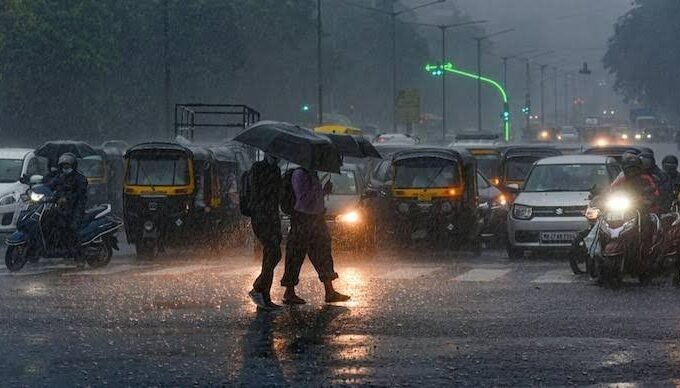
Extreme weather is not limited to rural areas. Cities are also experiencing disruptions due to sudden changes in temperature and rainfall. Waterlogging, traffic delays, and power outages are becoming more common even with short spells of intense rain.
In March, when infrastructure is not typically prepared for heavy rainfall, these events can cause disproportionate disruption. Heat spikes also lead to increased electricity demand, putting pressure on urban power systems.
Public health is another concern. Sudden weather shifts can contribute to seasonal illnesses, including respiratory infections and heat-related stress.
Scientific data and changing weather trends in India
Long-term climate data supports the observation that extreme weather events are increasing in frequency and intensity. Reports from meteorological agencies and climate studies indicate a rise in both heatwaves and heavy rainfall events across India.
The Intergovernmental Panel on Climate Change has highlighted South Asia as a region vulnerable to climate variability. India’s diverse geography makes it particularly sensitive to shifts in monsoon patterns and seasonal transitions.
March, once considered a relatively stable month, is now showing signs of increased volatility. This trend is consistent with broader global patterns linked to climate change.
Can India adapt to shifting seasonal patterns
Adaptation is becoming a key focus as extreme weather events increase. In agriculture, this includes adopting climate-resilient crops, improving irrigation systems, and using weather forecasting tools.
Urban planning is also evolving. Cities are investing in better drainage systems, heat action plans, and early warning mechanisms to manage sudden weather events.
Policy-level interventions are critical. Strengthening climate monitoring systems and integrating data into decision-making can help reduce risks. Public awareness also plays a role in improving preparedness.
While climate change cannot be reversed immediately, its impact can be managed through coordinated efforts across sectors.
Takeaways
• Extreme weather in March is becoming more frequent across India
• Climate change is disrupting traditional seasonal patterns
• Agriculture and urban systems are both facing increased risks
• Adaptation strategies are essential to manage future impacts
FAQs
Q1. Why is March weather becoming unpredictable in India?
Climate change is altering atmospheric patterns, leading to irregular rainfall, temperature shifts, and extended weather systems.
Q2. How does extreme weather affect farmers?
Unseasonal rain and heat can damage crops, reduce yields, and disrupt harvest cycles.
Q3. Are cities also affected by these changes?
Yes, urban areas face issues like waterlogging, power demand spikes, and health risks due to sudden weather changes.
Q4. What can be done to manage these changes?
Adopting climate-resilient practices, improving infrastructure, and using accurate weather forecasts can help reduce risks.










Leave a comment