

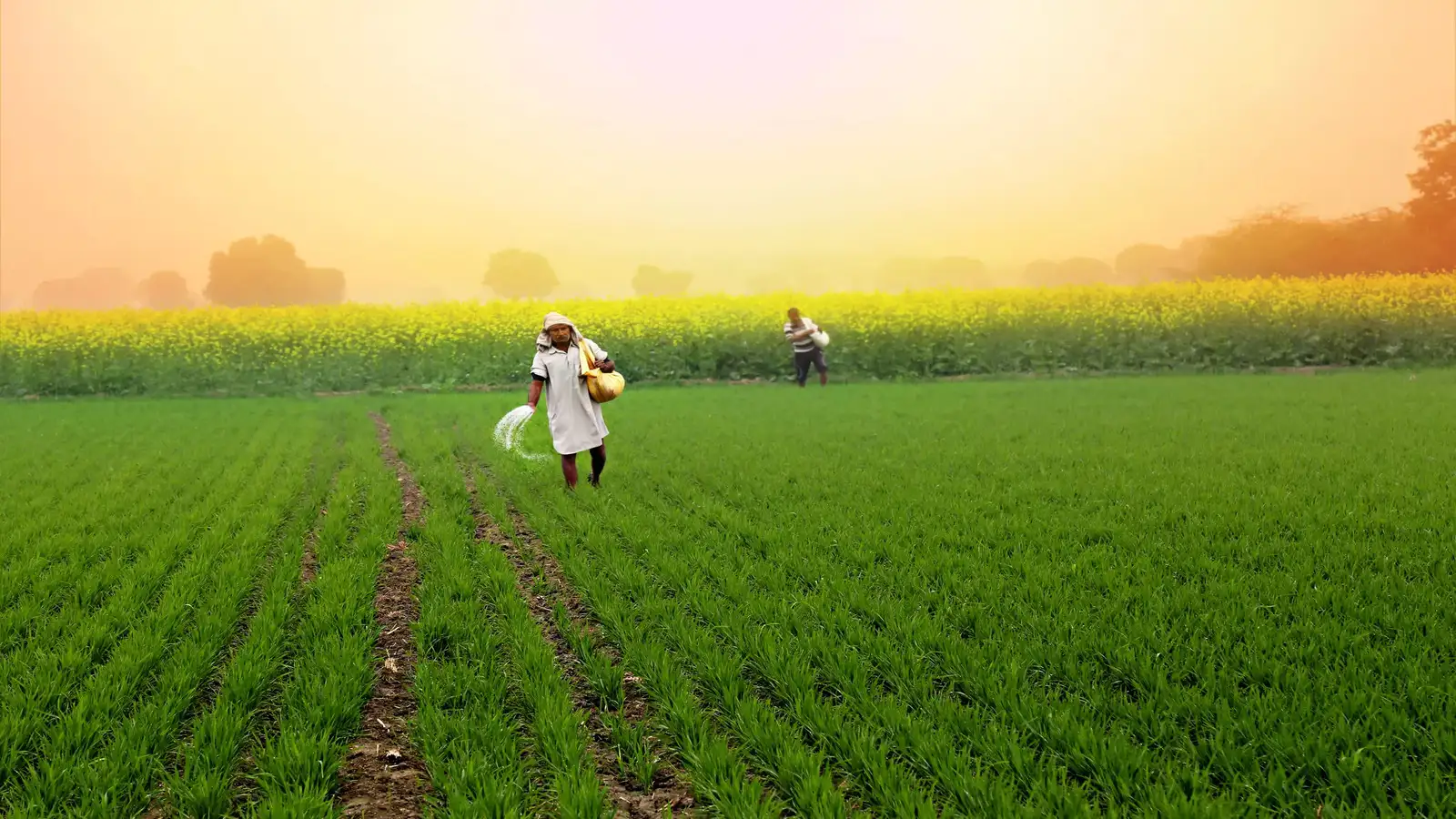
Fertiliser imports and food security are closely linked in India, especially as global conflicts disrupt supply chains and price stability. With agriculture heavily dependent on imported nutrients, geopolitical tensions are directly influencing crop production, input costs, and long-term food security.
Fertiliser imports and food security challenges amid global conflicts
Fertiliser imports and food security have come under focus as India relies significantly on external sources for key nutrients like urea, phosphatic, and potassic fertilisers. While India produces a large portion of its urea domestically, it remains dependent on imports for raw materials and finished products, especially potash and phosphate.
Global conflicts, particularly in regions that are major fertiliser exporters, can disrupt supply routes and increase prices. Countries such as Russia and Belarus are among the leading suppliers of potash, while West Asia plays a critical role in ammonia and urea exports.
When geopolitical tensions escalate, supply becomes uncertain and costs rise. For a country like India, which supports millions of farmers through subsidised fertilisers, this creates both economic and logistical challenges.
Impact of global supply disruptions on Indian agriculture
Supply disruptions directly affect fertiliser availability during critical agricultural seasons. India’s cropping cycles, especially the kharif season, depend on timely access to fertilisers. Any delay in imports can impact sowing decisions and crop health.
Higher global prices also increase the subsidy burden on the government. To keep fertilisers affordable for farmers, the government often absorbs the price difference. This leads to increased fiscal pressure, particularly during prolonged periods of high international prices.
Farmers at the ground level face indirect consequences. Even when subsidies are maintained, distribution delays or local shortages can disrupt farm operations. In some cases, farmers may reduce fertiliser usage, which can affect crop yields.
Role of government policy in managing fertiliser supply
Government intervention plays a crucial role in stabilising fertiliser imports and food security. India has diversified its import sources to reduce dependence on any single region. Long-term agreements with multiple countries help ensure continuity of supply.
The government also monitors global market trends and adjusts procurement strategies accordingly. In times of crisis, emergency imports and strategic reserves are used to prevent shortages.
Subsidy schemes remain a key tool in protecting farmers from price shocks. By keeping fertiliser prices stable at the retail level, the government ensures that farmers can continue cultivation without significant cost increases.
Rising input costs and pressure on farmers
Global conflicts often lead to a rise in input costs beyond fertilisers. Fuel prices, transportation costs, and raw material expenses also increase, creating a cascading effect on agriculture.
For farmers, this means higher overall cultivation costs. While minimum support prices provide some protection, not all crops benefit equally from price guarantees. Small and marginal farmers are particularly vulnerable to these fluctuations.
In regions where profit margins are already thin, increased costs can lead to reduced investment in inputs, affecting productivity. This has long-term implications for food supply and rural incomes.
Food security concerns in a volatile global environment
Food security is directly tied to consistent agricultural output. Any disruption in fertiliser supply can impact crop yields, leading to potential shortages or price increases in essential commodities.
India has managed to maintain buffer stocks of key grains like wheat and rice, which provides a level of stability. However, continued dependence on imports for critical inputs poses a structural risk.
Global conflicts also affect international food markets. Export restrictions by other countries during crises can further tighten supply, making domestic production even more important.
Ensuring food security requires not just managing current supplies but also building resilience against future disruptions.
Long-term solutions to reduce import dependency
Reducing dependence on fertiliser imports is a strategic priority for India. Increasing domestic production capacity for fertilisers and raw materials is one approach.
Promoting alternative practices such as organic farming, bio-fertilisers, and precision agriculture can also reduce reliance on chemical inputs. These methods improve soil health while lowering input costs over time.
Investment in research and development is critical. Developing efficient fertiliser usage techniques and crop varieties that require fewer inputs can enhance sustainability.
Strengthening supply chains and improving storage infrastructure will also help manage distribution more effectively during disruptions.
Takeaways
• India’s fertiliser imports are vulnerable to global geopolitical tensions
• Supply disruptions can impact crop yields and food security
• Government subsidies and policies help stabilise farmer access
• Long-term solutions include domestic production and sustainable farming practices
FAQs
Q1. Why does India import fertilisers?
India imports fertilisers and raw materials due to limited domestic availability, especially for potash and phosphate.
Q2. How do global conflicts affect fertiliser supply?
Conflicts disrupt production, trade routes, and pricing, leading to shortages and higher costs.
Q3. What is the impact on farmers?
Farmers may face higher input costs, delayed supply, and potential yield reductions.
Q4. How can India reduce dependency on imports?
By increasing domestic production, adopting sustainable farming methods, and diversifying supply sources.










Leave a comment