

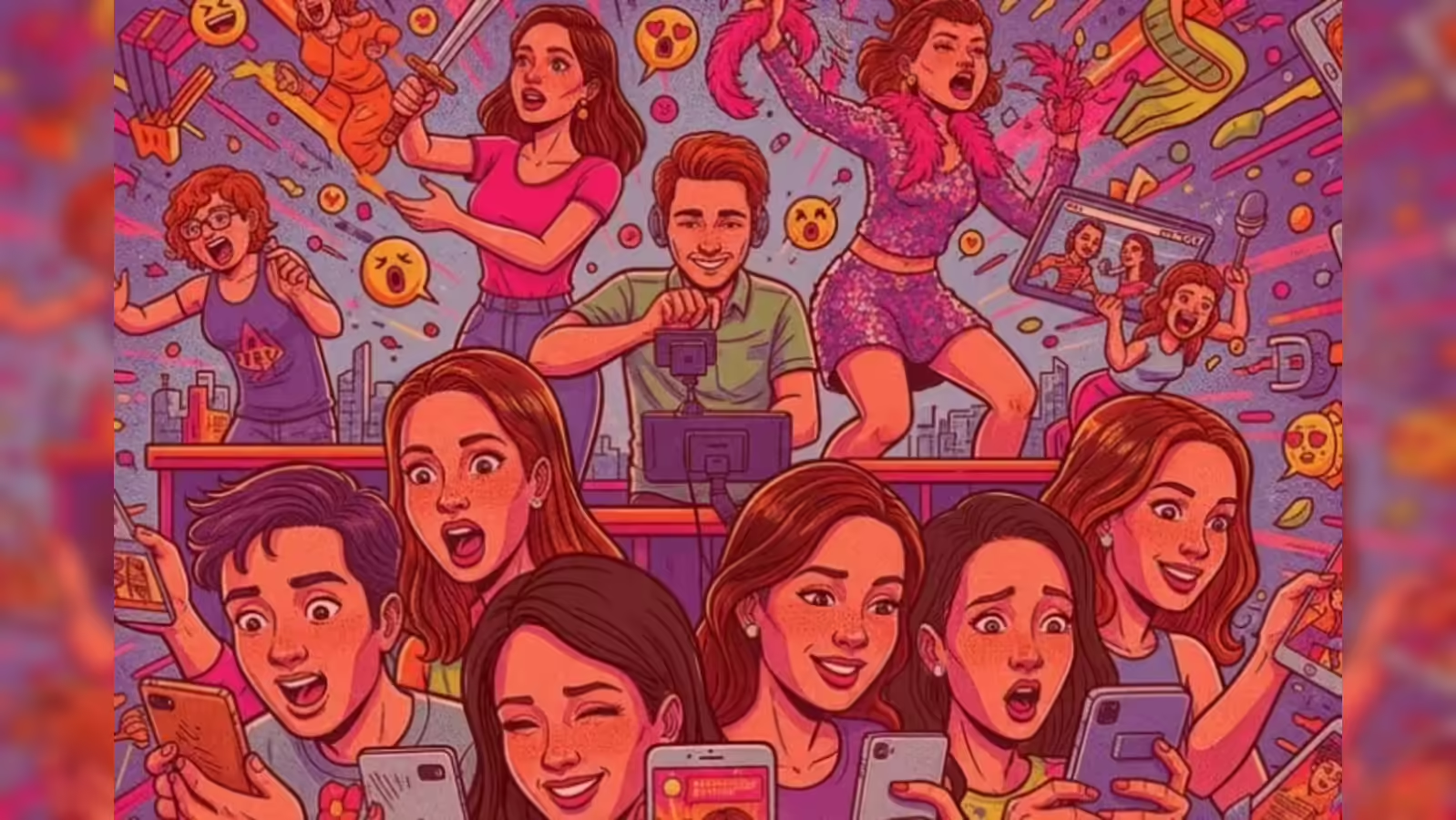
The microdrama boom in India is rapidly transforming how Gen Z consumes entertainment. Short-form storytelling, often under five minutes per episode, is moving from niche formats to mainstream digital platforms, driven by mobile-first audiences and evolving content habits.
Microdrama boom in India is a time-sensitive digital content trend, fueled by the rise of short video platforms, increased smartphone usage, and changing attention spans among younger audiences in 2026.
What Is Driving the Microdrama Boom in India
Microdramas are structured, episodic stories delivered in short durations, typically ranging from 30 seconds to a few minutes. Unlike random short videos, they follow a narrative arc with characters, conflict, and progression.
The surge in microdramas is closely linked to the popularity of short video platforms. Apps that initially focused on user-generated content are now investing in scripted storytelling.
Affordable data and widespread smartphone access have enabled continuous consumption of bite-sized content. This aligns perfectly with Gen Z viewing habits, where quick engagement often matters more than long-form immersion.
Content creators are adapting quickly, producing stories designed specifically for vertical viewing and mobile screens.
Why Gen Z Prefers Short-Form Storytelling
Gen Z audiences prioritize speed, relatability, and constant engagement. Microdramas meet all three requirements.
Short episodes allow viewers to consume content during small breaks, such as commuting or waiting periods. This makes them more accessible compared to traditional shows that require longer time commitments.
Another factor is emotional immediacy. Microdramas often focus on high-impact moments rather than slow narrative buildup. This keeps viewers hooked and encourages binge consumption in short bursts.
Social sharing also plays a role. Short episodes are easier to share, discuss, and remix, increasing their reach organically.
This combination of convenience and engagement makes microdramas highly appealing to younger audiences.
How Platforms Are Adapting to the Microdrama Trend
Digital platforms are actively investing in short-form storytelling to capture Gen Z attention. Many have introduced dedicated sections for episodic short content.
Streaming services are experimenting with micro-series formats, while social media platforms are integrating storytelling features into their ecosystems.
Monetization models are also evolving. Platforms are exploring ad-supported formats, brand integrations, and premium short content subscriptions.
For creators, this opens up new revenue streams. Producing microdramas requires lower budgets compared to traditional series, making it easier for independent creators to enter the market.
This democratization of content creation is accelerating the growth of the format.
Impact on Traditional OTT and Long-Form Content
The rise of microdramas is influencing how OTT platforms approach content strategy. While long-form content remains important, there is a clear shift toward diversification.
Platforms are now balancing high-budget series with short-form offerings to retain users across different consumption patterns.
However, microdramas are not replacing traditional storytelling. Instead, they are complementing it by serving different use cases.
For example, viewers may prefer microdramas for quick entertainment during the day and longer shows for dedicated viewing time.
This dual consumption model is shaping the future of digital entertainment in India.
Role of Regional Content in Microdrama Growth
Regional languages are playing a significant role in the expansion of microdramas. Content in Hindi, Tamil, Telugu, Marathi, and other languages is gaining traction across platforms.
Localized storytelling increases relatability and engagement, especially in Tier-2 and Tier-3 markets. These regions are driving a large portion of digital content consumption growth.
Creators are using regional themes, cultural references, and everyday scenarios to connect with audiences.
This approach not only expands reach but also strengthens audience loyalty.
As a result, microdramas are becoming a key tool for regional content expansion.
Challenges in Sustaining the Microdrama Ecosystem
Despite rapid growth, the microdrama format faces several challenges. Content saturation is a major concern. With low entry barriers, a large volume of content is being produced, making it harder to stand out.
Quality control is another issue. Not all microdramas maintain consistent storytelling standards, which can impact audience trust.
Monetization remains an evolving area. While advertising and brand collaborations are growing, sustainable revenue models are still being developed.
There is also the risk of audience fatigue if content becomes repetitive or overly formulaic.
Addressing these challenges will be crucial for long-term sustainability.
What the Microdrama Boom Means for India’s Content Industry
The microdrama boom represents a shift toward more flexible and adaptive storytelling formats. It reflects how technology and audience behavior are reshaping content creation.
For creators, it offers an opportunity to experiment with new formats and reach wider audiences. For platforms, it provides a way to increase engagement and retention.
For the industry as a whole, it signals a move toward diversified content ecosystems where multiple formats coexist.
As Gen Z continues to influence consumption trends, microdramas are likely to remain a significant part of India’s digital entertainment landscape.
Takeaways
• Microdramas are emerging as a mainstream content format in India
• Gen Z preferences are driving demand for short-form storytelling
• Platforms are investing in micro-series to increase engagement
• Challenges include content saturation and evolving monetization models
FAQs
What are microdramas?
They are short, episodic stories designed for quick consumption, usually lasting a few minutes or less.
Why are microdramas popular among Gen Z?
They offer fast-paced, engaging content that fits into short attention spans and mobile usage habits.
Are microdramas replacing traditional OTT shows?
No, they complement long-form content rather than replacing it.
How do creators earn from microdramas?
Through ads, brand partnerships, and platform-based monetization models.






Leave a comment