

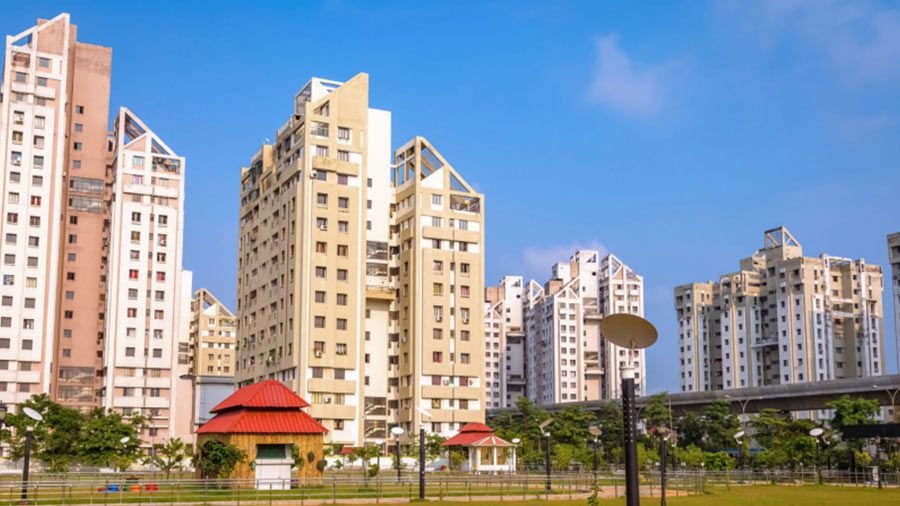
Young professionals moving back to Tier-2 towns has become one of India’s biggest urban lifestyle shifts in 2026. Rising metro living costs, remote work flexibility, better infrastructure in smaller cities, and changing work-life priorities are encouraging many professionals to leave major metropolitan areas and return to their hometowns.
The Reverse Migration Trend Is Becoming More Visible
For decades, India’s biggest metro cities attracted students and professionals searching for better jobs and higher salaries. Bengaluru, Mumbai, Delhi, Hyderabad, and Pune became central hubs for technology, finance, media, and corporate employment.
But the migration pattern is slowly changing.
Many young professionals are now choosing to move back to Tier-2 cities such as Indore, Jaipur, Lucknow, Chandigarh, Nagpur, Surat, and Coimbatore. What was once seen as a temporary pandemic-era adjustment has evolved into a long-term lifestyle and financial decision.
Remote and hybrid work models played a major role in accelerating this transition. Employees who realized they could work effectively outside expensive metro cities began reassessing priorities such as housing costs, family life, stress levels, and overall quality of living.
In 2026, returning to smaller cities is no longer viewed as a career compromise. In many industries, it has become a practical and financially smarter choice.
Rising Metro Expenses Are Pushing Professionals Out
One of the strongest reasons behind this shift is the increasing cost of living in major metropolitan cities.
Rent, transportation, food, utilities, and daily expenses have risen sharply across India’s largest urban centers. For many middle-class professionals, especially early-career employees, maintaining a comfortable lifestyle in metro cities has become financially difficult.
A significant portion of monthly income often goes toward rent and commuting alone. In cities such as Mumbai and Bengaluru, long travel times and traffic congestion add additional physical and mental stress.
By comparison, Tier-2 cities offer larger living spaces, lower rent, shorter commutes, and reduced daily expenses. Many professionals moving back to smaller cities say they can save more money while maintaining a better standard of living.
This financial flexibility allows individuals to focus on long-term goals such as home ownership, investments, entrepreneurship, or family planning.
The economic gap between metro salaries and Tier-2 lifestyle costs has made smaller cities increasingly attractive.
Remote Work Has Changed Traditional Career Thinking
The rise of remote work permanently changed how many Indians view employment and location.
Before 2020, working for a major company usually required physical presence in a metro office. In 2026, many technology, digital marketing, consulting, media, design, and startup roles can now be performed remotely or through hybrid arrangements.
This flexibility has removed one of the biggest reasons people stayed in large cities.
Professionals working for companies based in Bengaluru or Gurugram can now live in cities like Indore or Jaipur while continuing their careers. Some companies have also reduced office attendance requirements to cut infrastructure costs.
Freelancing and creator-driven careers have further strengthened this trend. Content creators, consultants, software developers, online educators, and digital entrepreneurs are increasingly operating from smaller cities.
Reliable internet connectivity, coworking spaces, and expanding digital infrastructure have made Tier-2 locations more work-friendly than before.
As work becomes less location-dependent, lifestyle preferences are playing a bigger role in migration decisions.
Better Infrastructure Is Improving Life in Tier-2 Cities
Another reason professionals are returning to smaller cities is the visible improvement in urban infrastructure.
Many Tier-2 cities have expanded airports, highways, shopping centers, healthcare systems, schools, and entertainment facilities during the last decade. Smart city projects have also improved roads, public spaces, digital governance, and civic services in several urban regions.
Cities such as Indore, Chandigarh, and Surat now offer many conveniences previously associated only with metro cities. Residents can access modern cafes, coworking spaces, fitness centers, multiplexes, and premium housing communities while avoiding excessive urban congestion.
Healthcare access has improved significantly as well. Many smaller cities now have advanced private hospitals and specialized medical facilities.
For young families, Tier-2 cities often provide a more balanced environment with cleaner surroundings, lower population density, and stronger social support systems.
These improvements are reducing the lifestyle gap between metro and non-metro India.
Emotional and Social Factors Are Also Important
The decision to move back is not driven only by economics or infrastructure.
Many professionals say metro life often feels socially isolating despite career opportunities. Living closer to family and long-term social networks has become increasingly important after the pandemic years.
Returning to hometowns also allows people to spend more time with parents and maintain stronger community connections. For married professionals with children, family support in childcare and daily responsibilities can significantly reduce stress.
Mental health awareness has also influenced urban migration patterns. Smaller cities are often perceived as calmer, less competitive, and less exhausting than crowded metro environments.
At the same time, not every professional sees Tier-2 living positively. Some industries still offer better networking, salaries, and career advancement opportunities in metro ecosystems.
The shift is therefore strongest among professionals working in flexible digital sectors rather than industries requiring physical corporate presence.
Tier-2 India Is Becoming Economically More Important
The growing return migration trend reflects a larger transformation in India’s urban economy.
Tier-2 cities are no longer seen merely as feeder towns for metro talent. They are becoming independent economic centers with growing startup ecosystems, digital businesses, educational institutions, and consumer markets.
Young professionals returning to smaller cities are also contributing to local economic activity through entrepreneurship, real estate demand, retail spending, and service sector growth.
As infrastructure and digital access continue improving, Tier-2 India is expected to play a much bigger role in shaping the country’s workforce and urban future.
Takeaways
- Young professionals are increasingly moving back from metro cities to Tier-2 towns
- Rising metro living costs and remote work flexibility are major reasons behind the shift
- Better infrastructure and lifestyle quality are improving the appeal of smaller cities
- Tier-2 cities are emerging as independent economic and employment centers
FAQ
Why are young professionals leaving metro cities?
High living expenses, traffic congestion, work stress, and remote work flexibility are encouraging many professionals to move back to smaller cities.
Which Tier-2 cities are attracting returning professionals?
Indore, Jaipur, Chandigarh, Surat, Lucknow, Coimbatore, Nagpur, and Ahmedabad are among the cities seeing growing reverse migration.
Has remote work increased migration to smaller cities?
Yes. Remote and hybrid work models have allowed professionals to work for metro-based companies while living in Tier-2 towns.
Are Tier-2 cities now offering better career opportunities?
Many Tier-2 cities are seeing growth in startups, digital businesses, logistics, and service industries, creating more local employment opportunities.









Leave a comment