


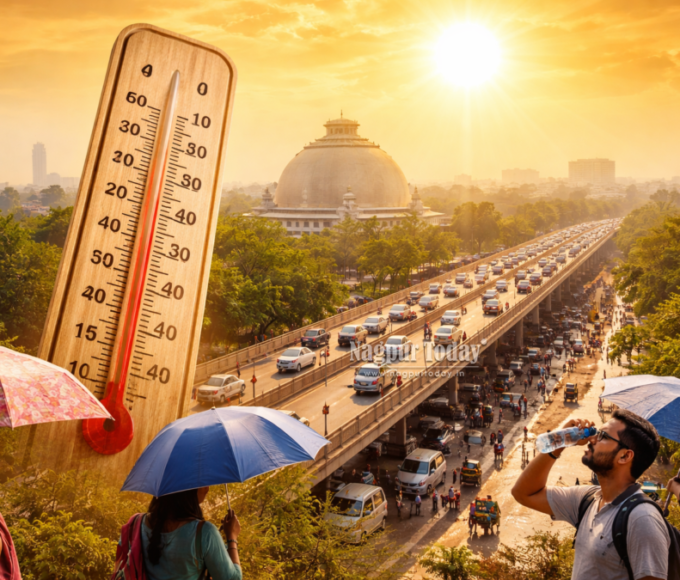
Nagpur heatwave early onset has become a major concern in 2026, with March temperatures in Vidarbha crossing seasonal averages much earlier than usual. Meteorological trends indicate a sharp rise in daytime heat, impacting daily life, health, and power demand across the region.
March Heatwave in Nagpur Signals Changing Climate Patterns
The early arrival of extreme heat in Nagpur and surrounding Vidarbha districts is not an isolated event. Typically, peak summer conditions are observed in late April and May, but 2026 has seen temperatures climbing past 40°C in March itself. This shift aligns with broader climate variability patterns being recorded across central India.
According to historical data from the India Meteorological Department, Nagpur’s average March temperatures usually hover between 34°C and 37°C. However, recent readings have consistently breached this range, indicating an abnormal spike. Experts attribute this to reduced pre-monsoon showers and prolonged dry spells.
This early heatwave trend is also being observed in nearby cities like Akola, Amravati, and Wardha, suggesting a regional pattern rather than a localized anomaly.
Impact on Daily Life and Public Health in Vidarbha
The rising temperatures are already affecting daily routines across Nagpur. Outdoor workers, including construction laborers and delivery personnel, are among the most vulnerable. Schools in some areas have started adjusting timings to avoid peak afternoon heat.
Health professionals are reporting an increase in cases related to dehydration, heat exhaustion, and early symptoms of heatstroke. Hospitals typically see such cases surge in May, but this year the spike has arrived nearly a month earlier.
Water consumption has increased significantly, putting pressure on municipal supply systems. Residents in several parts of the city have reported reduced water availability during peak hours, raising concerns about how the situation will evolve in April and May.
Power Demand Surge and Infrastructure Pressure
With temperatures rising earlier than expected, electricity consumption in Nagpur has also seen a noticeable jump. Increased use of air conditioners, coolers, and refrigeration systems is putting stress on the local power grid.
Maharashtra’s energy department has already indicated a rise in peak load demand across Vidarbha. This trend could lead to localized outages if supply does not keep pace with demand in the coming weeks.
Urban planners have long warned that cities like Nagpur, which are expanding rapidly, need stronger heat-resilient infrastructure. The current situation highlights gaps in urban cooling strategies, including lack of green cover and heat-reflective construction.
Why Temperatures Are Rising Faster in Central India
Several factors are contributing to the early heatwave in Nagpur. One key reason is the absence of western disturbances, which typically bring mild weather conditions to northern and central India during late winter and early summer.
Additionally, land surface heating in central India tends to intensify quickly due to dry soil conditions. Vidarbha, known for its inland geography, heats up faster compared to coastal regions.
Climate scientists also point to long-term global warming trends. Rising baseline temperatures mean that seasonal peaks are now being reached earlier and more intensely. This has been observed across multiple Indian states over the past few years.
What Residents and Authorities Can Expect Next
Weather projections suggest that temperatures may continue to rise steadily through April, potentially leading to prolonged heatwave conditions in Nagpur and nearby districts. If pre-monsoon rainfall remains below normal, the intensity could increase further.
Local authorities are expected to roll out heat action plans, including public advisories, water distribution measures, and medical preparedness. Citizens are being advised to avoid direct sun exposure during peak hours, stay hydrated, and monitor vulnerable family members.
The early onset of heat in 2026 serves as a warning sign for both policymakers and residents. Adaptation measures, including better urban planning and public awareness, will play a critical role in managing the impact of rising temperatures in the years ahead.
Takeaways
• Nagpur has recorded unusually high temperatures in March, crossing typical seasonal averages
• Early heatwave conditions are impacting health, water supply, and daily routines in Vidarbha
• Increased electricity demand is putting pressure on power infrastructure
• Climate patterns and reduced rainfall are key drivers behind the early heat surge
FAQs
Q1. Why is Nagpur experiencing a heatwave in March 2026?
The early heatwave is due to dry weather conditions, absence of western disturbances, and rising baseline temperatures linked to climate change.
Q2. What is the normal temperature range for Nagpur in March?
Typically, March temperatures range between 34°C and 37°C, but 2026 has seen readings exceeding 40°C.
Q3. How does the heatwave affect daily life in Vidarbha?
It impacts health, increases water demand, disrupts work schedules, and raises electricity consumption.
Q4. Will the heatwave continue in April and May?
Current trends suggest temperatures may continue rising, with a possibility of prolonged heatwave conditions.










Leave a comment