

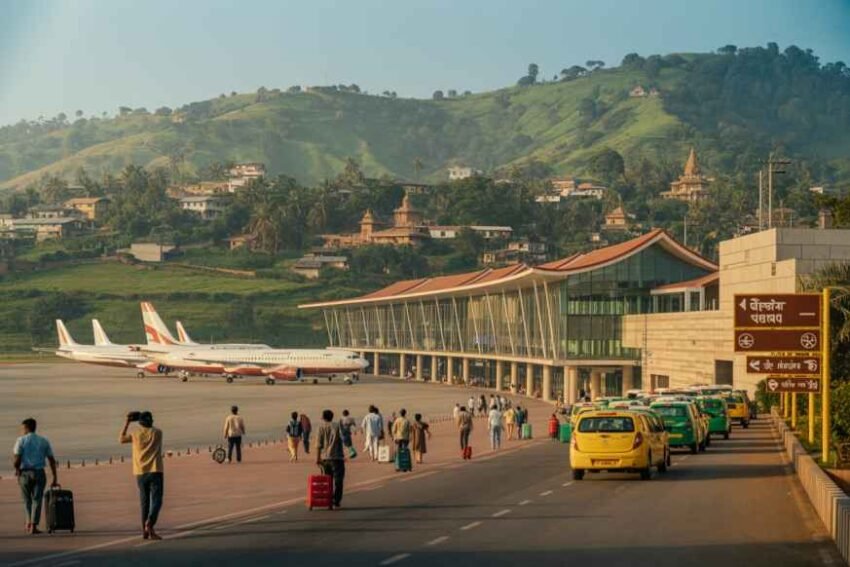
Regional airports in Tier-2 Indian cities are transforming local tourism, business activity, and economic development. Improved air connectivity is helping smaller cities attract travelers, investors, startups, and trade opportunities that were once concentrated mainly in metro regions.
Tier-2 Airports Are Driving Regional Economic Growth
The growth of regional airports in India has become a major factor behind the economic rise of several Tier-2 cities. Airports in cities like Nagpur, Indore, Surat, Dehradun, Ranchi, and Bhubaneswar are now handling increasing passenger traffic and expanding flight connectivity to major urban centers.
This shift is closely linked to India’s broader infrastructure expansion and regional connectivity push. For many smaller cities, better air access has reduced travel time, improved business mobility, and made local economies more connected to national markets.
The keyword regional airports in Tier-2 cities is gaining attention because these airports are no longer viewed only as transport facilities. They are increasingly seen as economic growth engines that influence tourism, hospitality, logistics, real estate, and employment opportunities.
Many domestic travelers who once focused only on metro destinations are now exploring smaller Indian cities because direct flights have made travel easier and faster.
Tourism Growth Is Increasing in Smaller Indian Cities
Improved regional air connectivity has had a direct impact on tourism growth across smaller cities and nearby destinations.
Travelers today prefer shorter and more convenient trips. As airlines expand routes under regional connectivity initiatives, destinations that were once difficult to access are becoming part of mainstream domestic tourism.
For example, airports near religious sites, hill stations, wildlife reserves, and cultural destinations are witnessing rising tourist movement. Cities like Dehradun, Varanasi, Prayagraj, and Guwahati have benefited from stronger domestic travel demand due to better flight availability.
This increase in tourism creates opportunities for hotels, restaurants, local transport providers, travel agencies, and small businesses. Local artisans and handicraft sellers also gain access to a larger customer base as tourist footfall increases.
Weekend tourism and short domestic vacations have become especially popular among young professionals and families looking for affordable travel options beyond crowded metro destinations.
Business Travel and Trade Connectivity Are Expanding
Regional airports are also playing a major role in improving business connectivity and trade efficiency.
Cities such as Surat and Nagpur have seen growing business travel activity because better air routes make it easier for investors, entrepreneurs, and professionals to travel regularly without depending entirely on long rail or road journeys.
Nagpur’s central geographic location has strengthened its logistics and cargo potential. Surat’s textile and diamond industries benefit from faster business mobility and improved access to domestic and international markets.
Air connectivity is particularly important for industries that require quick movement of professionals, clients, and high-value goods. Smaller manufacturers and exporters now find it easier to connect with suppliers and customers across India.
The presence of an airport also improves a city’s attractiveness for companies planning regional offices, warehouses, or technology parks. Many businesses consider transport infrastructure before making investment decisions.
Government Initiatives Accelerated Airport Development
India’s regional airport growth has been strongly influenced by government-backed aviation expansion programs.
The UDAN scheme, launched to improve regional air connectivity, encouraged airlines to operate flights between smaller cities and underserved regions. This initiative helped make domestic flying more affordable and accessible for middle-class travelers.
Several airports in Tier-2 and Tier-3 cities have also undergone modernization projects in recent years. New terminals, better passenger facilities, expanded runways, and upgraded security systems have improved the travel experience significantly.
State governments are additionally investing in surrounding infrastructure such as roads, public transport, hospitality zones, and industrial corridors near airports. These developments create broader economic activity around aviation hubs.
Low-cost airlines have also contributed to passenger growth by expanding domestic routes and targeting first-time flyers from smaller cities.
Real Estate and Employment Opportunities Are Rising
The expansion of regional airports often influences nearby property markets and employment generation.
Areas surrounding airports frequently witness rising demand for hotels, office spaces, warehouses, retail centers, and residential projects. Real estate developers increasingly view airport-linked growth corridors as long-term investment zones.
Employment opportunities also increase across multiple sectors including aviation services, hospitality, tourism, retail, transportation, and logistics. Local youth benefit from new jobs created directly and indirectly through airport-related economic activity.
Skill development centers and aviation training institutes are emerging in some cities to prepare workers for airport operations and related industries.
This broader economic impact explains why airport infrastructure is now considered an important part of urban development planning in many Indian states.
Challenges Still Need Attention
Despite rapid progress, several challenges remain for regional airport expansion in India.
Some airports still face limited flight frequency, operational costs, or lower passenger demand during non-peak seasons. Airlines must balance profitability while maintaining connectivity to smaller cities.
Ground transportation and last-mile connectivity also remain important concerns. In some regions, airport access roads and public transport systems need further improvement to support increasing passenger traffic.
Environmental concerns are another issue as rapid infrastructure expansion must balance ecological sustainability and urban planning requirements.
However, industry experts believe India’s regional aviation sector still has significant long-term growth potential due to rising domestic travel demand and expanding middle-class spending power.
Regional Airports Could Shape India’s Next Growth Phase
The growth of regional airports reflects a larger transformation in India’s economic geography. Development is no longer limited to major metropolitan areas alone.
As Tier-2 cities gain stronger air connectivity, they are becoming more attractive for tourism, trade, education, healthcare, and investment opportunities. This trend could gradually reduce pressure on overcrowded metro cities while creating more balanced regional economic development.
For millions of people in smaller cities, better airports now mean faster travel, wider business opportunities, and stronger integration with India’s growing digital and commercial economy.
Key Takeaways
- Regional airports are boosting tourism and trade in Tier-2 Indian cities
- Better air connectivity is increasing domestic travel and business mobility
- Airport expansion supports local employment, hospitality, and real estate growth
- Government aviation initiatives accelerated regional connectivity development
FAQ
Why are regional airports important for Tier-2 cities?
Regional airports improve connectivity, attract tourism, encourage investment, and support local economic development.
How do airports help local tourism?
Better flight access makes smaller cities and nearby destinations easier for tourists to visit, increasing local business activity.
Which industries benefit most from regional airport growth?
Tourism, logistics, hospitality, manufacturing, retail, and real estate sectors benefit significantly from improved air connectivity.
What is the UDAN scheme?
UDAN is a government initiative aimed at improving affordable regional air connectivity across underserved Indian cities.








Leave a comment