

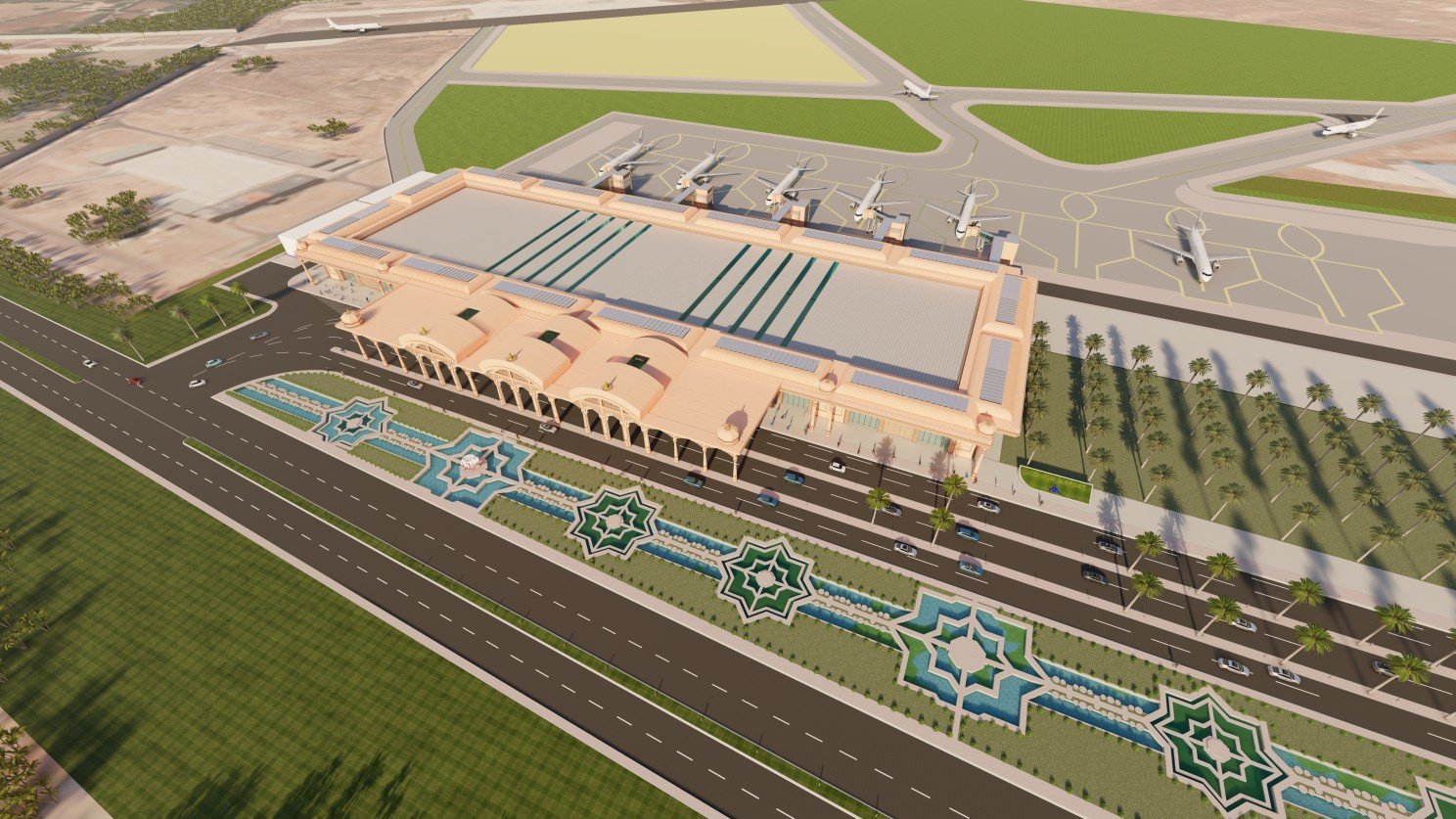
The rise of local airports in Tier-2 cities is changing the landscape of regional tourism in India. Improved air connectivity is making smaller destinations easier to reach, encouraging travel, boosting local economies, and expanding tourism opportunities beyond traditional metro gateways.
Growing Importance of Regional Airports in India
The rise of local airports in Tier-2 cities has become a significant development in India’s aviation and tourism sectors. Over the past decade, government policies and infrastructure investments have expanded air connectivity to many smaller cities that previously relied mainly on rail and road transport.
Programs such as the UDAN regional connectivity scheme were introduced to make air travel affordable and to link underserved and unserved airports across the country. Under this initiative, airlines receive incentives to operate flights on regional routes while passengers benefit from capped airfares on certain routes.
As a result, airports in cities such as Dehradun, Indore, Surat, Ranchi, and Tiruchirappalli have witnessed steady growth in passenger traffic. Many of these airports now operate regular flights connecting them to major metro hubs like Delhi, Mumbai, and Bengaluru.
This expansion is making it easier for tourists to access destinations that were previously difficult to reach by air.
How Air Connectivity Is Boosting Regional Tourism
Improved air connectivity is directly influencing regional tourism growth. When travel time reduces significantly, more travelers consider visiting destinations that were once seen as inconvenient or remote.
For example, hill stations, heritage cities, wildlife reserves, and pilgrimage destinations located near Tier-2 airports are attracting increasing numbers of visitors. Travelers from metropolitan areas often prefer shorter travel times and direct flights rather than long train journeys.
Tourism boards in several states have recognized this opportunity and are promoting destinations located near regional airports. In states such as Uttarakhand, Madhya Pradesh, and Rajasthan, improved connectivity has helped increase tourist arrivals to cultural sites, national parks, and religious destinations.
Shorter travel times also encourage weekend tourism, where visitors travel for two or three day trips rather than longer vacations.
Economic Impact on Local Businesses and Communities
The expansion of airports in Tier-2 cities has created economic opportunities for local communities. Tourism growth often leads to higher demand for hotels, restaurants, transportation services, and tour operators.
Small businesses such as homestays, local handicraft shops, and travel agencies benefit when visitor numbers increase. In several cities, new hotels and hospitality projects have been launched to accommodate rising tourist traffic.
Local transport services such as taxis, rental vehicles, and tour buses also experience higher demand as travelers move between airports and tourist attractions.
In addition, airport development itself generates employment through construction projects, airport operations, ground services, and airline staffing.
These economic benefits can help strengthen regional economies and create new job opportunities.
Expansion of Regional Aviation Networks
India’s regional aviation network has expanded steadily in recent years as airlines explore new routes connecting smaller cities. Budget airlines and regional carriers have played a key role in this growth by operating shorter domestic routes that were previously not considered commercially viable.
Cities that once had limited or no commercial flights are now connected through regional routes. Airports in locations such as Jharsuguda, Kannur, and Hubballi have emerged as important regional gateways.
Airports in Tier-2 cities are also undergoing infrastructure upgrades to handle higher passenger volumes. New terminals, runway extensions, and modern navigation systems are being introduced to improve operational capacity.
These improvements allow airports to support more flights and accommodate larger aircraft over time.
Challenges Facing Regional Airport Growth
Despite rapid progress, regional airport expansion also faces certain challenges. Passenger demand on some routes may fluctuate depending on seasonal travel patterns and economic conditions.
Operating regional flights can sometimes be less profitable for airlines due to smaller passenger volumes compared to metro routes. This is why government incentives and policy support remain important for maintaining connectivity.
Infrastructure around airports also plays a role in tourism growth. Efficient road connectivity, reliable public transport, and nearby accommodation facilities are necessary to ensure a smooth travel experience for visitors.
In some cases, limited tourism infrastructure near airports can slow the growth of visitor numbers.
Future Outlook for Regional Tourism and Air Travel
The future of regional tourism in India is closely linked to the continued development of local airports in Tier-2 cities. As air travel becomes more accessible and affordable, more travelers are expected to explore destinations beyond traditional tourist hotspots.
Domestic tourism in India has grown significantly over the past decade, driven by rising incomes, digital travel booking platforms, and improved transportation networks.
Regional airports are likely to play an increasingly important role in distributing tourist traffic across different parts of the country. This can reduce pressure on overcrowded tourist destinations while promoting lesser known locations.
With continued infrastructure investment and airline expansion, Tier-2 city airports could become key drivers of regional tourism growth in India.
Takeaways
Regional airports in Tier-2 cities are improving air connectivity across India.
Better flight access is encouraging tourism to smaller destinations and heritage sites.
Local businesses such as hotels, transport services, and tour operators benefit from increased tourist traffic.
Continued infrastructure development will be essential to support long term regional tourism growth.
FAQs
What is the UDAN scheme in India?
The UDAN regional connectivity scheme is a government initiative that aims to make air travel affordable and connect smaller cities with major airports.
How do regional airports support tourism?
Regional airports reduce travel time and improve accessibility to tourist destinations located near smaller cities.
Which Tier-2 cities have growing airports in India?
Cities such as Indore, Dehradun, Surat, Ranchi, and Kannur have seen increasing passenger traffic due to improved regional air connectivity.
Are regional flights affordable in India?
Under schemes like UDAN, certain regional routes have capped fares to encourage more passengers to use air travel.









Leave a comment