

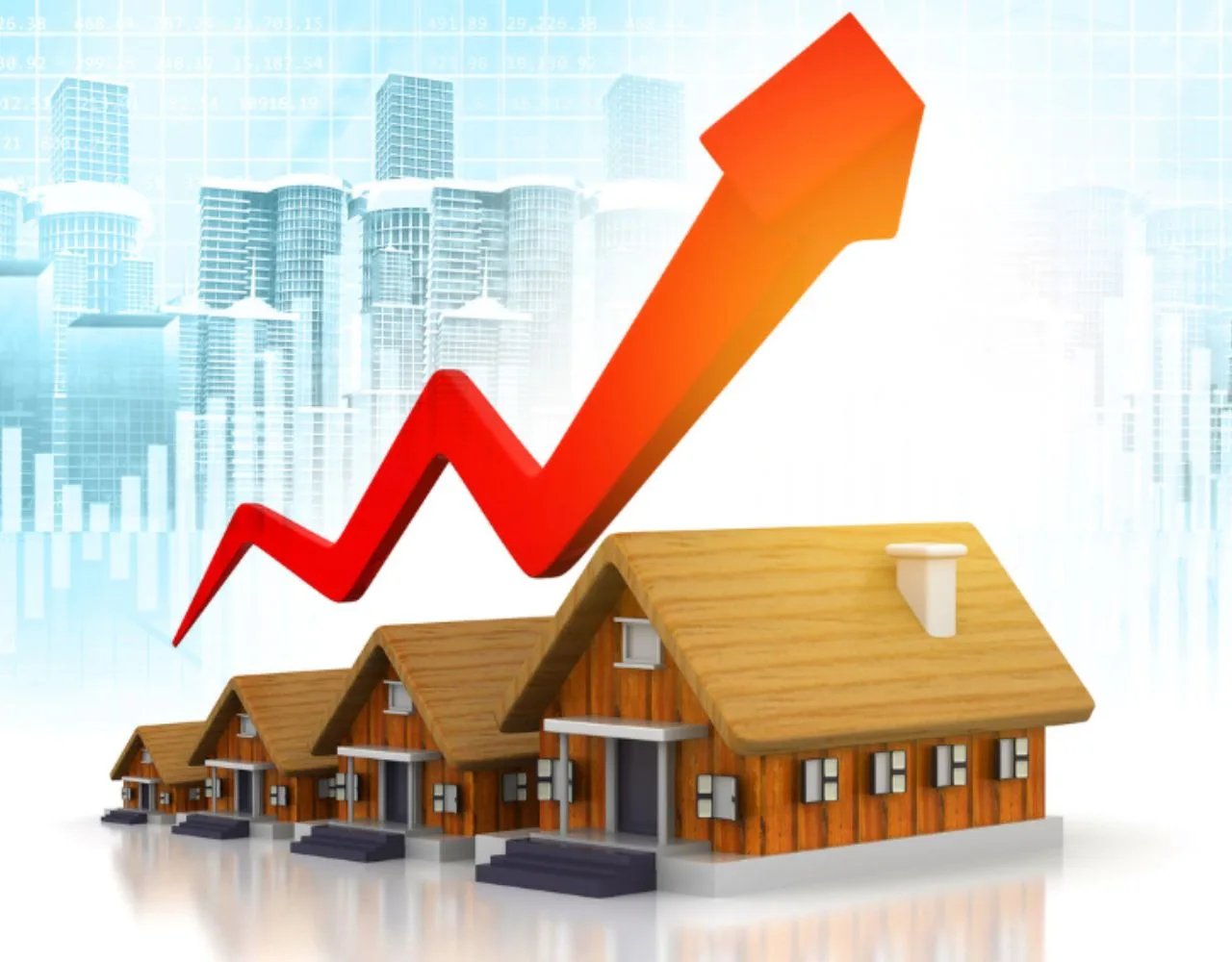
Rising property prices in Tier-2 cities have become a major real estate trend in 2026, with steady demand pushing rates upward across emerging urban hubs. Cities like Nagpur, Indore, and Lucknow are witnessing sharp price appreciation.
Rising property prices in Tier-2 cities are no longer a short-term trend but a structural shift in India’s housing market. Over the past few years, demand has moved beyond metros, driven by affordability, infrastructure growth, and changing work patterns.
Migration and Demand Shift Fueling Tier-2 Real Estate Growth
One of the primary reasons behind rising real estate prices in Tier-2 cities is the shift in buyer preference. Homebuyers who were earlier focused on metro cities are now actively exploring smaller urban centers.
Cities like Nagpur and Indore offer relatively lower property costs compared to metros while still providing improving infrastructure and connectivity. This balance has made them attractive for both end-users and investors.
Reverse migration during and after the pandemic also played a role. Many professionals who returned to their hometowns chose to invest locally, increasing demand in these regions.
Infrastructure Development Driving Property Value Increase
Infrastructure growth is a key driver of rising property prices in Tier-2 India. Projects such as new highways, metro rail expansions, and airport upgrades are boosting real estate demand.
In cities like Lucknow and Nagpur, improved connectivity has made peripheral areas more accessible, leading to rapid development of residential zones. As infrastructure improves, land value and housing prices tend to rise in surrounding areas.
Government-backed initiatives under smart city programs have also contributed to better urban planning, indirectly influencing property rates.
Affordable Housing and Middle-Class Demand
Another factor contributing to the surge is strong demand from the middle-income segment. Tier-2 cities provide more affordable housing options compared to metros like Mumbai or Delhi.
For many families, buying property in cities like Indore or Nagpur is financially more feasible. This has led to consistent demand in both ready-to-move and under-construction housing projects.
Banks and financial institutions have also made home loans more accessible, encouraging first-time buyers to enter the market.
Investor Interest and Rental Yield Potential
Rising property prices in Tier-2 cities are also linked to increasing investor interest. Investors are looking for markets where entry costs are lower but appreciation potential is high.
Rental yields in some Tier-2 cities are becoming competitive, especially in areas with growing student populations or IT-related employment opportunities.
Cities with educational institutions, industrial zones, or emerging business hubs are seeing increased demand for rental housing, further pushing property values upward.
Supply Constraints and Land Availability Issues
While demand is rising, supply is not always keeping pace. In several Tier-2 cities, limited availability of prime land has contributed to price escalation.
Urban expansion often faces regulatory challenges, delays in approvals, and infrastructure gaps. These factors restrict new supply, leading to increased competition for existing properties.
Developers are focusing more on premium and mid-segment housing, which can also influence overall price trends in the market.
Long-Term Outlook for Tier-2 Property Markets
The current surge in property prices is expected to continue, but at a more stable pace. Tier-2 cities are gradually evolving into strong real estate markets with sustained demand.
However, experts caution against speculative buying. Price growth needs to be supported by real demand and infrastructure development to remain sustainable.
For buyers, the focus should be on location, connectivity, and long-term value rather than short-term gains.
Takeaways
- Rising property prices in Tier-2 cities are driven by demand shift and affordability
- Infrastructure development is significantly influencing real estate value
- Middle-class buyers and investors are key contributors to market growth
- Limited supply and land constraints are pushing prices higher
FAQ
Why are property prices increasing in Tier-2 cities?
Increasing demand, better infrastructure, and affordability compared to metros are major reasons behind the price rise.
Which cities are seeing the highest growth?
Cities like Nagpur, Indore, Lucknow, and similar urban centers are witnessing strong real estate growth.
Is it a good time to invest in Tier-2 real estate?
Investment can be beneficial if backed by proper research on location, infrastructure, and demand trends.
Are Tier-2 cities better than metros for property buyers?
They offer more affordable options and lower competition, but buyers should consider job opportunities and connectivity before investing.











Leave a comment