

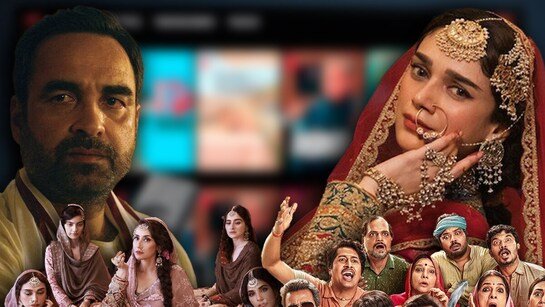
TV serials are witnessing a strong resurgence in rural India even as OTT platforms continue to grow. Limited digital access, cultural familiarity, and free-to-air content are helping television maintain dominance across Tier-2, Tier-3, and rural markets.
TV Serials Continue Strong Hold in Rural India
TV serials rural dominance remains intact despite the rise of OTT platforms across India. While urban audiences are shifting towards streaming services, rural and semi-urban regions still rely heavily on television as their primary source of entertainment.
Broadcast television, especially through free-to-air channels and DTH services, reaches a significantly larger base compared to paid OTT subscriptions. Government-backed platforms like DD Free Dish have expanded access to television content in remote areas.
For many households, television remains affordable, accessible, and easy to use, which sustains its relevance in rural India.
Limited Internet Access Slows OTT Penetration
OTT vs TV in rural India is largely shaped by infrastructure limitations. Although smartphone usage has increased, consistent high-speed internet access is still uneven across villages and smaller towns.
Streaming content requires stable data connectivity, which is not always reliable or affordable in rural regions. Even where internet access exists, data consumption costs can discourage prolonged video streaming.
In contrast, television offers uninterrupted access without recurring data expenses. This makes it a more dependable option for daily entertainment.
As a result, OTT platforms have yet to fully replace television in these markets.
Familiar Content Drives Audience Loyalty
One of the key reasons behind TV serials rural dominance is the nature of content. Television serials often focus on family-oriented stories, social themes, and cultural values that resonate strongly with rural audiences.
Daily soaps provide continuity, allowing viewers to build long-term engagement with characters and narratives. This habitual viewing pattern keeps audiences consistently connected.
Language also plays a critical role. Regional language programming ensures that content is easily understood and culturally relevant.
Unlike OTT content, which often targets niche or urban audiences, TV serials are designed for mass appeal across diverse demographics.
Free-to-Air Platforms Expand Reach
The growth of free-to-air television platforms has significantly strengthened the position of TV serials in rural India. Services such as DD Free Dish provide access to a wide range of channels without subscription fees.
This model is particularly effective in low-income households where affordability is a key factor. Viewers can access entertainment, news, and regional programming without additional costs.
Broadcasters have also adapted by launching channels specifically targeted at free-to-air audiences. These channels often feature popular serials, dubbed content, and reruns that attract consistent viewership.
This ecosystem ensures that television remains accessible even as digital platforms expand.
Advertiser Focus Shifts Towards Rural TV Audiences
Advertisers are increasingly recognising the value of rural television audiences. With TV serials maintaining strong viewership, brands are allocating a significant portion of their advertising budgets to television.
Rural markets represent a large consumer base, and television offers a reliable way to reach these audiences at scale. Prime-time serials, in particular, attract high engagement levels.
This advertising support helps sustain the television industry and encourages continued investment in content production.
For broadcasters, strong ad revenue from rural viewership reinforces the importance of maintaining serial-driven programming.
Can OTT Platforms Challenge TV in Rural Markets
While OTT platforms are growing, their expansion in rural India will depend on several factors. Affordable data plans, improved network infrastructure, and localised content will be key drivers.
Some OTT platforms are already experimenting with regional language content and lower subscription pricing to attract rural users. However, changing long-established viewing habits will take time.
Television’s advantage lies in its simplicity and accessibility. For OTT platforms to compete effectively, they must address both cost and usability challenges.
In the near term, TV serials are likely to retain their dominance, especially in regions where digital penetration remains limited.
The Future of Rural Entertainment Consumption
The future of rural entertainment in India is likely to be a mix of television and digital platforms. As infrastructure improves, OTT adoption will gradually increase, but television is expected to remain relevant.
Hybrid consumption patterns may emerge, where households use television for daily serials and OTT platforms for occasional viewing.
Content strategies will also evolve, with both mediums focusing on regional storytelling and culturally relevant themes.
For now, TV serials continue to hold a strong position, supported by accessibility, affordability, and audience loyalty.
Takeaways
TV serials continue to dominate rural entertainment despite OTT growth
Limited internet access slows down streaming adoption in smaller regions
Free-to-air platforms play a major role in maintaining TV viewership
Advertisers are prioritising rural television audiences for wider reach
FAQs
Why are TV serials still popular in rural India?
They are accessible, affordable, and feature relatable content that resonates with local audiences.
Is OTT replacing television in rural areas?
Not yet. Limited internet access and data costs are slowing OTT adoption in these regions.
What role does DD Free Dish play in TV viewership?
It provides free access to multiple channels, making television widely available in rural households.
Will OTT platforms grow in rural India?
Yes, but growth will depend on better connectivity, affordable pricing, and relevant content.








Leave a comment