

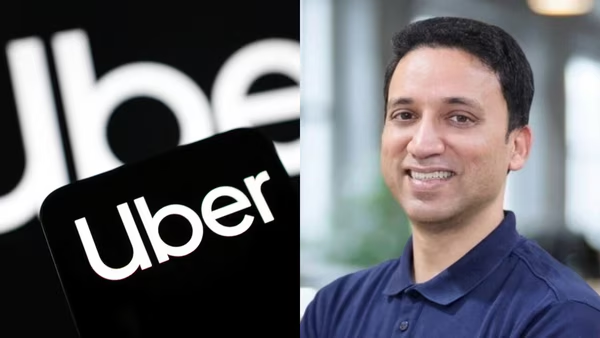
Short Summary: Uber has appointed former Zomato food delivery CEO Rakesh Ranjan as President of its India and South Asia operations, effective January 4, 2027. The leadership change comes as the company faces intensifying competition and looks to strengthen its mobility business.
Uber Names Rakesh Ranjan as India and South Asia President
Uber has appointed former Zomato executive Rakesh Ranjan to lead its India and South Asia operations, bringing an experienced consumer internet leader into one of the company’s most important regional positions.
The appointment was announced on November 26, 2026, and will take effect from January 4, 2027. Ranjan will report to Dom Taylor, Uber’s Regional General Manager for Asia Pacific.
He joins Uber from Allen Online, the digital arm of education company Allen Career Institute, where he currently serves as Chief Executive Officer.
The appointment follows a search process that lasted more than three months, according to Uber. The company said India and South Asia remain important to its future growth plans.
Ranjan will take charge of a large business operating across multiple Indian cities, with services covering different mobility requirements, from two-wheeler rides and auto-rickshaws to car journeys.
Who Is Rakesh Ranjan? His Journey From Zomato to Uber
Rakesh Ranjan brings eight years of experience from Zomato, where he joined in 2017 and eventually became CEO of its food ordering and delivery business.
During his tenure, he held leadership positions across sales and Zomato Gold before taking charge of the company’s food delivery operations.
His experience included managing a large consumer-facing platform in a highly competitive market. Food delivery requires coordination between customers, restaurant partners, delivery executives and technology systems. Managing these operations at scale involves customer retention, service reliability, pricing and operational efficiency.
After leaving Zomato, Ranjan moved to Allen Online as its CEO. The role gave him experience in another consumer-facing digital business, this time in the education sector.
His appointment at Uber brings together experience from food delivery, online services and digital business operations. These areas share several operational challenges, including managing large user networks, improving customer experience and maintaining service consistency across locations.
Why Uber Chose an External Leader for India Operations
Ranjan’s appointment comes after the departure of Uber’s previous India and South Asia President, Prabhjeet Singh, who left the company in 2026 to join OpenAI as its India Managing Director.
Singh had led Uber’s India business since 2020. His departure created a leadership vacancy at a time when competition in the country’s mobility market was becoming more intense.
Uber’s decision to appoint an external executive with experience in India’s consumer internet industry is notable. Ranjan’s background at Zomato gives him experience in managing a large platform business that depends on everyday consumer usage and a distributed partner network.
According to Uber’s announcement, the company conducted a search lasting more than three months before selecting him.
Dom Taylor said Ranjan’s experience running large consumer businesses in India and his understanding of the market made him a suitable leader for the next phase of the company’s regional operations.
Uber India Business: Why the Market Matters
India has become one of Uber’s most important markets globally. According to the company, India is its third-largest market by trips, behind the United States and Brazil. It is also the company’s second-largest market globally by the number of earners using its platform.
Uber operates in more than 200 cities across India and has over two million monthly active drivers earning through the platform.
The company has expanded beyond conventional car-based ride-hailing to offer different transport options. Its services include auto-rickshaws, two-wheelers and other mobility choices designed for different travel distances and budgets.
This variety is important in India, where commuting habits differ significantly between large metropolitan cities and smaller urban centres.
For example, an office commuter in Bengaluru may prefer a car for a longer journey, while a customer in a congested city area may choose an auto or bike for a shorter trip. Uber’s ability to serve these different requirements is central to its local strategy.
India is also home to Uber’s largest technology centres outside the United States, located in Bengaluru and Hyderabad. These centres contribute to the company’s global technology and business operations, extending India’s importance beyond its consumer market.
Competition From Rapido and Other Mobility Platforms
Ranjan will take charge of Uber’s India business at a time when competition in the ride-hailing industry is evolving.
Rapido has expanded its presence in two-wheeler mobility and auto-rickshaw services. Its growth has increased competitive pressure on established platforms, including Uber and Ola.
The competition is not limited to the number of rides completed. Platforms also need to attract and retain drivers, maintain reasonable fares, reduce cancellations and provide dependable services.
For customers, pricing and availability often influence which application they choose. A rider may compare fares across platforms before booking, particularly for regular office commutes or short-distance journeys.
For drivers, the calculation is different. Earnings after platform charges, fuel expenses, incentives and waiting time can influence where they choose to work.
Moneycontrol has reported that Rapido’s growth has affected competition in the ride-hailing market. This makes driver retention, customer experience and operational efficiency important areas for Uber’s next leadership team.
What Could Be Rakesh Ranjan’s Priorities at Uber?
Uber has indicated that its focus will include improving everyday experiences for riders and creating better earning opportunities for drivers.
Ranjan has also highlighted three areas in his statement following the appointment: dependable rides, value across different journeys and improved driver earning opportunities.
These priorities point towards several operational challenges.
Improving ride reliability: Customers expect vehicles to arrive on time, accurate pickup locations and fewer cancellations. Improving these aspects can influence repeat usage.
Maintaining affordability: Indian customers are often sensitive to fare differences. Uber will need to offer transport choices across different budgets while managing the economics of its services.
Supporting driver earnings: Drivers are essential to the platform. Better earning opportunities and more predictable access to rides could help Uber retain its driver network.
Strengthening regional operations: Since Ranjan’s role covers India and South Asia, he will also oversee a broader regional business. Different markets have different regulatory requirements, transport habits and competitive conditions.
The extent to which these priorities translate into new services or operational changes will become clearer after he assumes the role in January 2027.
What the Appointment Means for India’s Mobility Industry
Uber’s leadership change reflects the growing importance of local market knowledge in India’s digital mobility sector.
Large technology platforms cannot rely only on global strategies when operating in markets with different consumer preferences, infrastructure limitations and regulatory environments.
Ranjan’s experience at Zomato is relevant because food delivery and ride-hailing share certain business characteristics. Both depend on technology platforms connecting customers with service providers in real time. Both also require careful management of pricing, availability, customer satisfaction and partner relationships.
However, mobility has its own challenges, including driver supply, vehicle operating costs, road conditions, safety and local transport regulations.
His appointment does not automatically signal a change in Uber’s pricing or service strategy. It marks a leadership transition, with the new president expected to guide the company’s next phase of regional operations.
The impact will ultimately depend on how effectively Uber responds to competition, improves service reliability and builds sustainable opportunities for drivers.
Key Takeaways
- Uber appointed former Zomato food delivery CEO Rakesh Ranjan as President of India and South Asia.
- He will officially take charge on January 4, 2027, reporting to Dom Taylor.
- Ranjan previously spent eight years at Zomato and most recently served as CEO of Allen Online.
- His priorities include dependable rides, affordable mobility options and better earning opportunities for drivers.
Frequently Asked Questions
1. Who is Rakesh Ranjan?
Rakesh Ranjan is a business executive who previously led Zomato’s food ordering and delivery business as its CEO. Before joining Uber, he served as CEO of Allen Online.
2. When will Rakesh Ranjan join Uber?
He will assume the position of President, Uber India and South Asia, on January 4, 2027.
3. Who did Rakesh Ranjan replace at Uber?
He will succeed Prabhjeet Singh, who left Uber in 2026 to join OpenAI as its India Managing Director.
4. What will Rakesh Ranjan focus on at Uber?
His stated priorities include improving ride reliability, offering value across different journeys and creating better earning opportunities for drivers.
(Internal keywords: Rakesh Ranjan Uber appointment, Uber India new president, former Zomato CEO Rakesh Ranjan, Uber India leadership change, Uber South Asia operations, Uber Rapido competition, Indian ride hailing market, Uber driver earnings, Uber India strategy 2027)








Leave a comment