

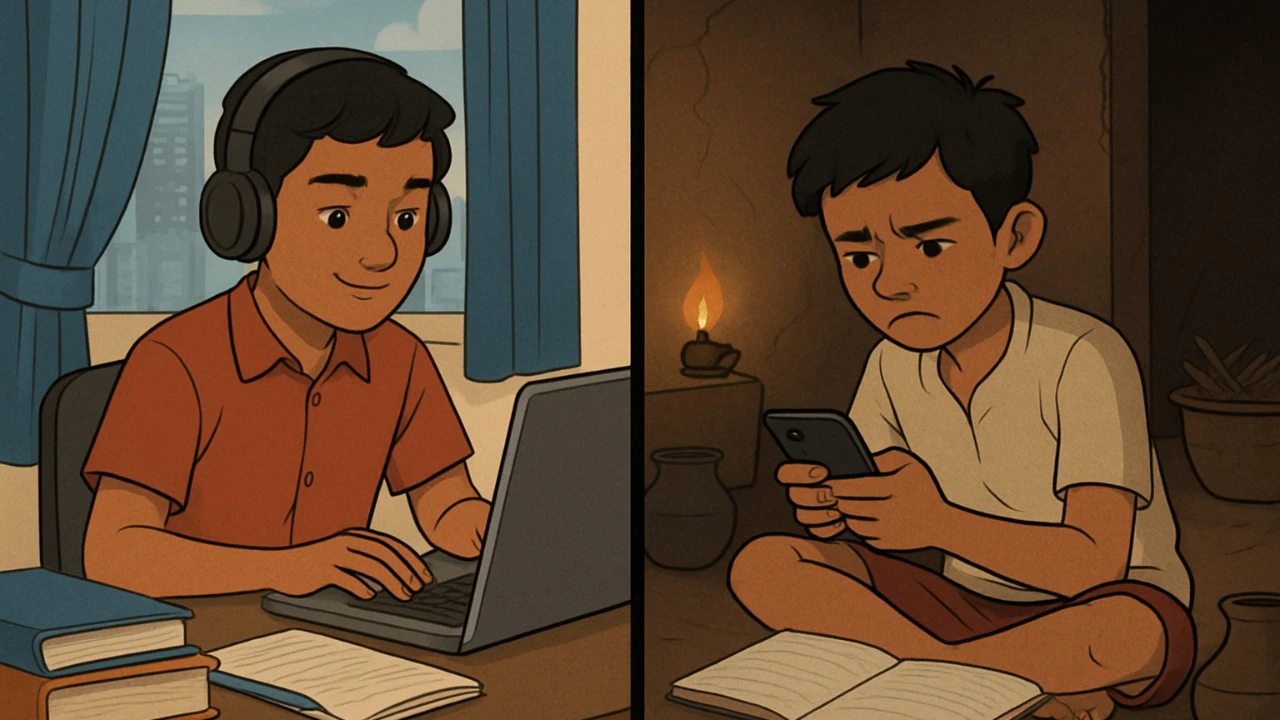
Digital education platforms are rapidly gaining popularity across non metro India as affordable internet, smartphones, and online learning tools reach smaller cities. Students in Tier 2 and Tier 3 regions are increasingly turning to online education to access quality courses, exam preparation, and skill development.
Digital education platforms in non metro India are transforming how students access learning opportunities. Online learning apps and virtual classrooms are allowing millions of students in smaller cities and towns to study competitive exam material, professional skills, and academic subjects without relocating to major urban education hubs.
Expansion of Online Learning in Tier 2 and Tier 3 Cities
The expansion of digital education platforms in non metro India is closely linked to the growth of internet connectivity and smartphone usage. Over the past decade, India has witnessed a sharp rise in affordable mobile data and digital infrastructure. This shift has enabled students in smaller towns to access online learning resources that were previously limited to major cities.
Many students preparing for competitive examinations such as engineering and medical entrance tests now rely on online courses and recorded lectures. Instead of moving to cities like Kota, Delhi, or Hyderabad for coaching, students can watch lectures, solve practice questions, and attend live sessions from their homes.
This accessibility has made online learning particularly attractive for families who want quality education without the financial burden of relocation, accommodation, and coaching institute fees in large cities.
Role of EdTech Platforms in Expanding Access
The growth of India’s EdTech industry has played a central role in the popularity of digital education platforms. Many online learning companies now offer structured courses covering school curriculums, competitive exams, language training, and professional skill development.
These platforms provide recorded video lectures, digital notes, mock tests, and interactive quizzes that help students track their progress. Some also offer live classes where teachers interact with students in real time.
The flexibility of learning at any time is a major advantage. Students in smaller towns often face limitations such as lack of specialized coaching centers or experienced instructors. Online education helps bridge this gap by bringing teaching resources from across the country to their devices.
Competitive Exam Preparation Through Online Platforms
Competitive exam preparation has become one of the strongest drivers behind digital education growth in smaller cities. India’s education system places significant emphasis on entrance exams for professional courses and government jobs.
Online platforms now provide preparation material for exams such as engineering entrance tests, medical entrance exams, banking recruitment exams, and civil services preparation. Students can access recorded lectures, exam strategies, and practice tests designed by experienced educators.
For many aspirants living in smaller towns, this digital approach provides opportunities that were previously difficult to access. Instead of traveling long distances for coaching classes, students can prepare for national level examinations from their homes.
Skill Development and Career Focused Courses
Another factor contributing to the rise of digital education platforms in non metro India is the demand for practical skill training. Young learners are increasingly looking for courses that help them build career relevant skills rather than relying solely on traditional academic degrees.
Online platforms now offer training programs in areas such as digital marketing, programming, graphic design, data analysis, and communication skills. These courses are especially useful for students who want to enter the job market quickly or develop freelance careers.
For example, a student in a smaller city can learn coding, video editing, or social media management through online courses and then apply those skills to remote work opportunities. This has expanded the role of digital education beyond exam preparation into career development.
Benefits of Online Learning for Non Metro Students
Students in smaller cities benefit from digital education platforms in several ways. First, online courses provide access to experienced teachers who may not be available locally. This helps improve the quality of learning.
Second, digital education offers flexible schedules. Students can pause, replay, or revisit recorded lectures whenever necessary, which helps them learn at their own pace.
Third, online platforms reduce the overall cost of education. Compared with traditional coaching centers in large cities, digital courses are often more affordable and accessible.
This combination of flexibility, accessibility, and affordability explains why digital learning has become widely accepted among students and parents in non metro India.
Challenges Facing Digital Education in Smaller Cities
Despite its growth, digital education also faces challenges in some parts of the country. Internet connectivity remains inconsistent in certain rural regions, which can affect live classes and video streaming.
Another challenge is maintaining student discipline and engagement. Without physical classroom environments, some students find it difficult to stay motivated during self paced online learning.
However, many platforms are addressing these issues through interactive tools, progress tracking systems, and hybrid learning models that combine online and offline teaching.
The Future of Online Education in India
The popularity of digital education platforms in non metro India is expected to continue growing as technology becomes more accessible. Government initiatives promoting digital infrastructure and online learning resources are also supporting this trend.
As education technology evolves, virtual classrooms, AI driven learning systems, and personalized course recommendations may further improve the online learning experience. These innovations could help reduce the gap between educational opportunities in metropolitan areas and smaller cities.
For millions of students across India, digital education is no longer just a supplementary resource. It is becoming a central part of how learning, exam preparation, and career development take place in the modern era.
Takeaways
Digital education platforms are expanding access to quality learning in non metro India.
Affordable smartphones and internet connectivity have made online education widely accessible.
Competitive exam preparation and skill based courses are major drivers of online learning adoption.
Digital platforms allow students in smaller cities to study without relocating to major education hubs.
FAQs
Why are digital education platforms popular in smaller Indian cities?
Digital platforms provide access to quality teachers, flexible learning schedules, and affordable courses, which makes them attractive for students in Tier 2 and Tier 3 cities.
What types of courses are available on online education platforms?
Students can study school subjects, competitive exam preparation, professional skills such as coding or digital marketing, and language learning courses.
Can online education replace traditional coaching institutes?
Online education offers many advantages, but some students still prefer physical classrooms. Many learners now combine online resources with traditional coaching.
Do students in small towns benefit from online learning?
Yes. Online platforms allow students to access national level educators and study materials without leaving their hometowns.










Leave a comment