

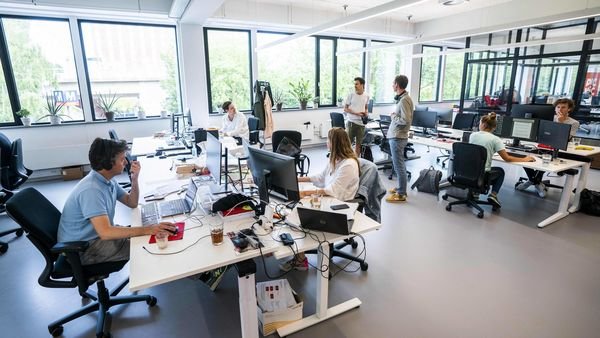
Work from anywhere culture is reshaping where young professionals choose to live in India. Instead of staying in expensive metro cities, many employees are relocating to smaller towns and Tier 2 cities where living costs are lower and quality of life is improving.
Work from anywhere culture has become a defining shift in the post pandemic work landscape. Many young professionals who once moved to cities like Bengaluru, Mumbai, or Delhi for career opportunities are now returning to smaller cities such as Indore, Jaipur, Nagpur, Kochi, and Lucknow. Remote work policies, digital collaboration tools, and rising metro living costs have accelerated this trend.
According to several workforce surveys conducted in recent years by consulting firms and hiring platforms, a significant portion of employees prefer hybrid or remote work options. For many professionals, this flexibility means they can continue working for metro based companies while living in smaller cities closer to family and with lower expenses.
The Rise of Work From Anywhere Culture in India
Work from anywhere culture began gaining traction during the COVID-19 pandemic when companies were forced to adopt remote work models. Many businesses discovered that productivity did not drop significantly when employees worked remotely.
Large technology companies, startups, and service sector firms expanded hybrid work policies after the pandemic. Employees in sectors such as IT services, digital marketing, design, consulting, and software development often require only a laptop and internet connection to perform their jobs.
As a result, young professionals realized they no longer needed to stay permanently in expensive metros. Many chose to relocate to hometowns or smaller cities where rent, transportation costs, and daily living expenses are significantly lower.
The trend is particularly visible among professionals in their twenties and early thirties who are looking for financial stability and better work life balance.
Lower Cost of Living Attracts Remote Workers
One of the biggest reasons professionals are moving back to smaller cities is the rising cost of living in metro areas. Rent in cities like Bengaluru, Mumbai, and Gurugram has increased significantly in recent years due to housing demand and urban congestion.
In contrast, Tier 2 cities such as Indore, Surat, Chandigarh, and Coimbatore offer much lower rental costs and more spacious housing options. Daily expenses such as food, transportation, and entertainment are also generally cheaper.
For many professionals, relocating to a smaller city allows them to save a larger portion of their salary. Some also use these savings to invest in property, start side businesses, or pursue entrepreneurial ventures.
Financial flexibility has become a key advantage of the work from anywhere lifestyle.
Improving Digital Infrastructure in Tier 2 Cities
The growth of digital infrastructure has also made remote work possible outside major metros. High speed broadband, expanding 4G networks, and the gradual rollout of 5G services have improved internet connectivity in many smaller cities.
Digital collaboration tools such as Zoom, Microsoft Teams, Slack, and cloud based project management platforms allow teams to work efficiently from different locations.
Coworking spaces have also started expanding into Tier 2 cities to serve remote workers and freelancers. These workspaces provide stable internet connections, meeting rooms, and professional work environments for employees who prefer not to work entirely from home.
As infrastructure continues to improve, smaller cities are becoming more viable locations for remote professionals.
Quality of Life and Family Connections Matter
Beyond financial benefits, quality of life plays a major role in the relocation trend. Many professionals report that living in smaller cities reduces stress and commuting time compared to crowded metros.
Shorter travel distances, cleaner air in some regions, and access to family support systems are strong motivations for relocation. Professionals with young families often prefer smaller cities because housing is more affordable and daily routines are easier to manage.
Community connections also tend to be stronger in smaller towns. For many employees who spent years living away from home, remote work offers the chance to reconnect with family while maintaining career growth.
This balance between career and personal life is one of the strongest drivers behind the work from anywhere movement.
What This Trend Means for India’s Smaller Cities
The return of young professionals to smaller cities is gradually reshaping local economies. Increased spending on housing, cafes, coworking spaces, and lifestyle services is creating new business opportunities.
Entrepreneurs in Tier 2 cities are launching startups, digital agencies, and service businesses that cater to remote professionals. Local governments are also promoting technology parks and startup hubs to attract talent.
Over time, this migration could help reduce the extreme population pressure faced by major metro cities. It may also accelerate economic development in smaller regions that previously struggled to retain skilled workers.
Work from anywhere culture is still evolving, but its impact on where people choose to live and work is already visible across India.
Takeaways
Young professionals are relocating from metro cities to smaller towns because remote work allows location flexibility.
Lower housing costs and reduced living expenses make Tier 2 cities financially attractive.
Improved internet connectivity and digital tools have made remote work easier outside metros.
The trend is helping smaller cities attract skilled professionals and new business activity.
FAQs
What is work from anywhere culture?
Work from anywhere culture refers to employment arrangements where employees can perform their jobs remotely from any location rather than working only from a fixed office.
Why are professionals leaving metro cities in India?
Many professionals are leaving metro cities due to high rent, long commutes, and better lifestyle opportunities in smaller cities.
Which industries support remote work the most?
Technology, digital marketing, consulting, design, media, and software development are among the industries where remote work is widely possible.
Will remote work continue in the future?
Many companies are expected to maintain hybrid or remote work models because they reduce office costs and allow access to talent from different locations.










Leave a comment