

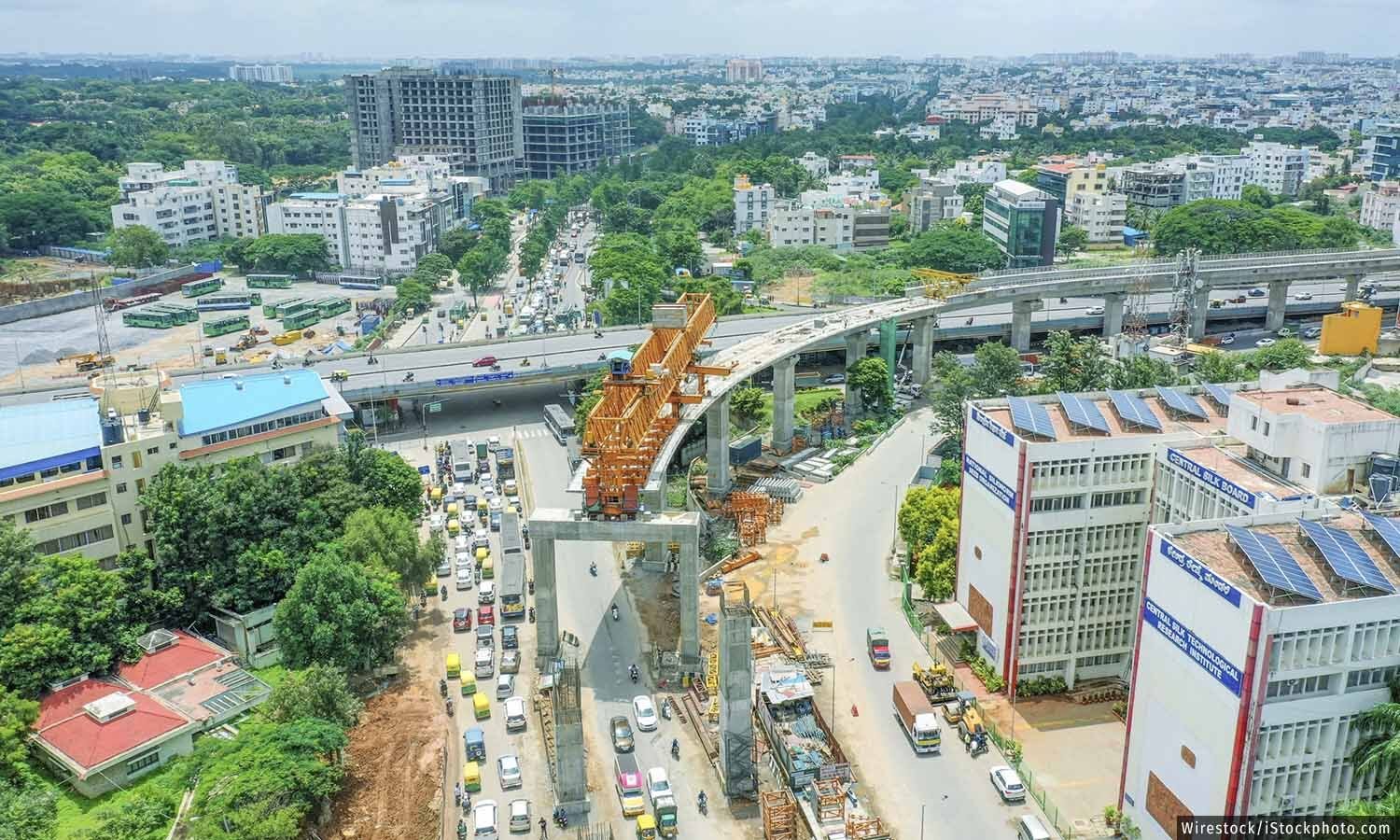
India’s Smart City projects in smaller cities were launched to improve urban infrastructure, technology adoption, and public services. Nearly a decade later, the impact is becoming visible in areas such as transport management, digital governance, surveillance systems, and upgraded public spaces.
What the Smart Cities Mission Was Designed to Achieve
Smart City projects in smaller Indian cities were introduced in 2015 when the Government of India launched the Smart Cities Mission to modernize urban infrastructure and improve quality of life. The program initially selected 100 cities across the country, many of them Tier-2 and Tier-3 urban centers.
The idea behind the Smart Cities Mission was not simply to build new infrastructure but to improve how cities function through better technology, urban planning, and service delivery. The mission focused on area-based development and pan city solutions.
Area-based development involves upgrading specific zones within cities by improving roads, drainage, water supply, housing, and public spaces. Pan city solutions rely on technology platforms to improve city wide services such as traffic management, public safety, and governance.
Cities such as Nagpur, Indore, Bhopal, Surat, Bhubaneswar, and Pune were among the prominent participants in the program.
Technology Driven Urban Services in Tier-2 Cities
One visible change from Smart City projects is the growing use of digital systems to manage urban services. Several cities have introduced integrated command and control centers that monitor traffic, public safety, and municipal services in real time.
These command centers collect data from surveillance cameras, traffic sensors, and public service platforms. Municipal officials can monitor city operations through a centralized dashboard and respond quickly to emergencies or disruptions.
Cities such as Surat and Bhopal have implemented smart traffic signals that adjust signal timing based on traffic flow. This helps reduce congestion at busy intersections.
Many cities have also introduced mobile applications and online portals where residents can report civic issues such as potholes, streetlight failures, or garbage collection problems.
These digital platforms aim to make local governments more responsive to citizen complaints.
Improved Infrastructure and Public Spaces
Apart from technology systems, Smart City projects have also focused on physical infrastructure improvements in smaller Indian cities. Road redevelopment, pedestrian friendly streets, cycling tracks, and urban parks have been part of several projects.
For example, Indore has developed redesigned public spaces and pedestrian zones in certain parts of the city. Nagpur has invested in smart street lighting systems that automatically adjust brightness and reduce energy consumption.
Public transport infrastructure has also seen upgrades in some cities. Bus terminals, smart bus shelters, and real time passenger information displays have been introduced in selected locations.
These changes aim to make cities more accessible and improve the daily experience of residents.
Digital Governance and Citizen Services
Another area where Smart City initiatives have made visible progress is digital governance. Municipal corporations in several participating cities have digitized services such as property tax payments, water bill payments, building approvals, and grievance reporting.
Online platforms reduce the need for residents to visit municipal offices for basic services. This improves efficiency and transparency in local government operations.
Some cities have also introduced public Wi Fi zones in commercial districts and public areas. The objective is to support digital connectivity and encourage the use of online services.
Digital governance initiatives have been particularly useful during situations where physical access to government offices becomes difficult.
Challenges and Criticism of Smart City Projects
Despite visible improvements, Smart City projects have also faced criticism and implementation challenges. In several cities, development has been limited to selected areas rather than improving infrastructure across the entire city.
Urban experts often point out that area-based development benefits only specific neighborhoods, leaving many other areas with limited improvements.
Funding constraints and coordination between government agencies have also slowed progress in some projects. Urban planning experts argue that long term maintenance of infrastructure and digital systems remains a key challenge.
In addition, rapid population growth in many smaller cities continues to put pressure on housing, transport systems, and public services.
These challenges highlight the complexity of urban development in rapidly expanding cities.
Long Term Impact on Urban Development
Even with these challenges, Smart City projects have introduced new approaches to urban governance in India. The use of technology driven monitoring systems, digital service platforms, and integrated urban planning has created a model that many cities are continuing to develop.
The experience gained through these projects is influencing future urban development initiatives across India. Many cities are now adopting similar solutions even outside the official Smart Cities Mission framework.
As urban populations continue to grow, efficient city management and infrastructure planning will remain critical priorities.
Smaller Indian cities are likely to play an increasingly important role in the country’s urban growth story.
Takeaways
Smart City projects were launched to modernize infrastructure and urban services in 100 Indian cities.
Technology systems such as integrated command centers and smart traffic signals are now operating in several Tier-2 cities.
Infrastructure improvements include pedestrian friendly roads, smart lighting, and upgraded public spaces.
Implementation challenges remain, particularly in expanding development beyond selected city zones.
FAQs
What is the Smart Cities Mission in India?
The Smart Cities Mission is a government program launched in 2015 to improve infrastructure, technology use, and quality of life in selected Indian cities.
How many cities are part of the Smart Cities Mission?
A total of 100 cities across India were selected to participate in the program.
What are integrated command and control centers?
These are technology hubs that monitor city services such as traffic management, surveillance, and emergency response through a centralized system.
Have Smart City projects improved daily life in smaller cities?
In many locations, improvements such as better roads, digital governance platforms, and traffic management systems have enhanced urban services, though progress varies by city.









Leave a comment