

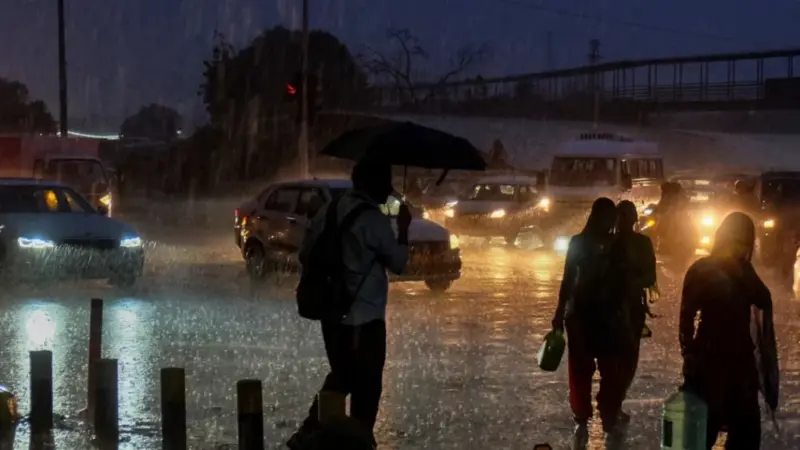
The IMD thunderstorm alert across multiple states in April has disrupted daily routines, travel, and agriculture in several parts of India. Sudden rain, lightning, and gusty winds are affecting both urban and rural regions, raising concerns about preparedness and safety.
The IMD thunderstorm alert issued for several states highlights how unpredictable April weather is becoming in India. With rising instances of unseasonal rain and storms, the impact is now visible across transport systems, farming cycles, and everyday life in both metro and Tier 2 cities.
What the IMD Thunderstorm Alert Means for Affected States
The India Meteorological Department has warned of thunderstorms accompanied by lightning, strong winds, and short bursts of rainfall across regions including North India, Central India, and parts of the South. States such as Uttar Pradesh, Delhi, Tamil Nadu, Maharashtra, and Madhya Pradesh are among those experiencing sudden weather changes.
These alerts are typically issued when atmospheric instability increases due to heat buildup during the day. By evening, this heat triggers cloud formation leading to thunderstorms. While April usually marks the transition toward peak summer, recent patterns show frequent weather disturbances instead of consistent heat.
For cities and towns, especially in Tier 2 and Tier 3 regions, such alerts often catch residents off guard due to limited local forecasting awareness and infrastructure readiness.
Unseasonal Rainfall Impact on Daily Commute and Urban Life
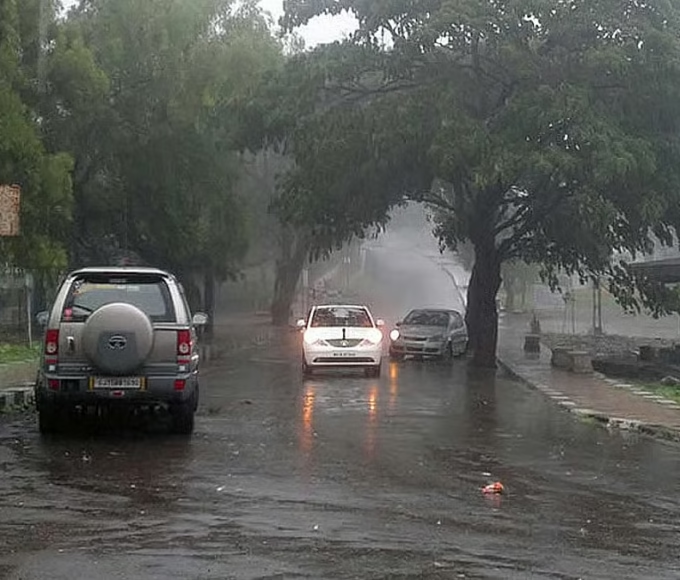
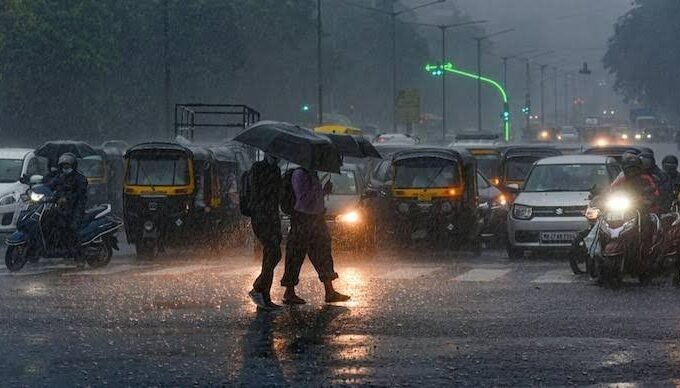
One of the most immediate effects of the April weather disruption is on daily commuting. Sudden rain leads to waterlogging in poorly drained urban areas, slowing down traffic and affecting public transport reliability.
In cities like Lucknow, Nagpur, and Chennai, even short spells of rain have caused significant congestion during peak hours. Two wheeler riders and pedestrians are particularly vulnerable, especially during lightning activity.
Power outages are another concern. Strong winds often damage local power lines, leading to temporary blackouts. This affects small businesses, students, and work from home professionals who rely heavily on uninterrupted electricity.
For schools and offices, these sudden weather changes are also forcing schedule adjustments, especially when heavy rain coincides with working hours.
Agricultural Concerns from April Thunderstorms and Crop Damage
The IMD thunderstorm alert has also raised concerns among farmers, particularly in states where rabi crops are close to harvest. Unseasonal rain and hailstorms can damage standing crops such as wheat, mustard, and pulses.
Farmers in parts of Madhya Pradesh, Rajasthan, and Uttar Pradesh have reported losses due to recent rainfall episodes. Moisture at the wrong stage can reduce crop quality and yield, directly affecting income.
In addition, strong winds can flatten crops, making harvesting more difficult. For small and marginal farmers in Tier 2 and rural regions, such disruptions can have a significant economic impact.
While some rainfall can benefit certain crops, the unpredictability of these storms makes planning difficult. This highlights the need for better localized weather advisories and crop insurance awareness.
Rising Climate Variability and Changing April Weather Patterns
Experts link the increasing frequency of April thunderstorms to broader climate variability. Rising temperatures, shifting wind patterns, and increased moisture in the atmosphere are contributing to unstable weather conditions.
India has seen a gradual shift where traditional seasonal patterns are becoming less predictable. April, which was earlier known for dry heat buildup, is now witnessing intermittent storms and rain events.
This variability affects not just agriculture but also water management, urban planning, and disaster preparedness. Cities that are not designed to handle sudden rainfall face repeated disruptions.
For residents, this means adapting to more dynamic weather conditions, including keeping track of daily forecasts rather than relying on seasonal expectations.
Safety Measures During Thunderstorm and Lightning Alerts
During IMD thunderstorm alerts, safety becomes critical, especially due to lightning risks. People are advised to stay indoors during intense storms, avoid open fields, and refrain from using electrical appliances during lightning activity.
For commuters, planning travel around weather updates can reduce risk. Carrying rain protection, avoiding waterlogged routes, and staying updated through official weather apps are practical steps.
Local administrations in several states have started issuing advisories through SMS and social media, but reach remains inconsistent in smaller towns. Increasing awareness at the community level is essential to reduce casualties and damage.
Schools and workplaces also play a role by adjusting timings or issuing warnings when severe weather is expected.
How India Can Improve Weather Preparedness Systems
The current situation highlights the need for stronger last mile communication of weather alerts. While IMD provides accurate forecasts, the challenge lies in delivering timely information to individuals in smaller towns and rural areas.
Technology can help bridge this gap. Mobile alerts in regional languages, integration with local governance systems, and better use of digital platforms can improve awareness.
Infrastructure upgrades are equally important. Improved drainage systems, stronger power networks, and better urban planning can reduce the impact of sudden storms.
At a policy level, integrating weather forecasting with disaster management and agricultural planning will be key in dealing with increasing climate uncertainty.
Takeaways
- IMD thunderstorm alerts are becoming more frequent during April across India
- Unseasonal rain is disrupting commuting, power supply, and daily routines
- Farmers face crop damage risks due to unexpected rainfall and strong winds
- Better communication and infrastructure are needed to handle climate variability
FAQs
Which states are affected by the IMD thunderstorm alert?
Multiple states including Uttar Pradesh, Delhi, Maharashtra, Tamil Nadu, and Madhya Pradesh are experiencing thunderstorms and rain.
Why is April seeing more thunderstorms in India?
Increased heat and atmospheric instability, combined with changing climate patterns, are causing more frequent storms.
How do thunderstorms impact agriculture?
They can damage crops nearing harvest, reduce yield quality, and create harvesting challenges due to moisture and wind.
What precautions should people take during a thunderstorm alert?
Stay indoors, avoid open areas, monitor weather updates, and plan travel carefully to avoid risk.








Leave a comment