

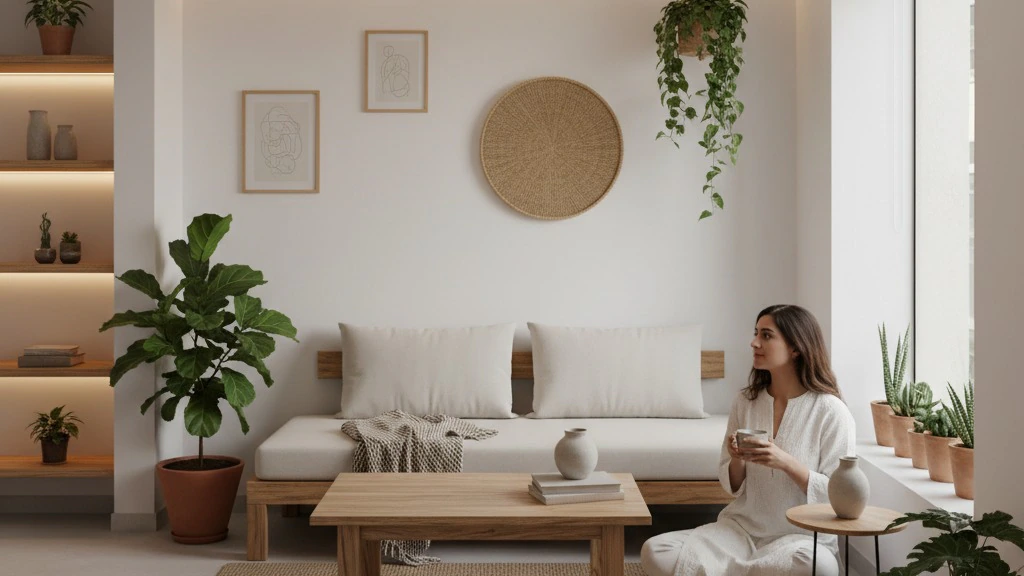
The minimal living trend is expanding rapidly across India, with smaller cities adopting it faster than metros. Rising costs, space constraints, and shifting lifestyle priorities are pushing residents in Tier-2 and Tier-3 cities toward simpler, more intentional living choices.
Minimal Living Trend Reflects Changing Lifestyle Priorities
The minimal living trend is an evolving lifestyle movement rather than a time-sensitive news event. It focuses on reducing excess consumption, simplifying daily routines, and prioritising essential needs over material accumulation.
In smaller cities, this trend is gaining traction due to practical reasons. People are becoming more conscious of spending, space utilisation, and long-term financial stability. Unlike metros, where consumerism is deeply embedded, smaller cities are adapting minimalism with a more functional approach.
This shift is not just about aesthetics or design. It reflects a broader change in mindset, where value is placed on utility and sustainability rather than quantity.
Why Smaller Cities Are Adopting Minimal Living Faster
Minimal living in Tier-2 cities is influenced by a combination of economic and cultural factors. Cost sensitivity plays a major role. Residents are more cautious about spending and prefer investing in essentials rather than luxury items.
Housing patterns also contribute. Many homes in smaller cities are designed for practicality rather than excess storage, encouraging people to limit possessions.
Cultural values around simplicity and resourcefulness already exist in many non-metro regions. The minimal living trend aligns naturally with these values, making adoption smoother.
In contrast, metro lifestyles often involve higher consumption due to exposure to trends, advertising, and social expectations.
Financial Benefits Driving the Minimalism Trend
One of the strongest drivers of the minimal living trend is financial awareness. Individuals in smaller cities are focusing on saving, investing, and managing expenses more efficiently.
Reducing unnecessary purchases helps free up income for essential needs such as education, healthcare, and long-term investments. This approach is particularly relevant in regions where income growth may be slower compared to metros.
Minimalism also reduces recurring costs. Lower spending on maintenance, storage, and replacements contributes to better financial stability.
For many households, this shift is less about lifestyle choice and more about practical financial planning.
Impact of Digital Awareness and Social Media
Digital awareness has played a role in spreading the minimal living trend across India. Social media platforms such as Instagram and YouTube feature content around decluttering, sustainable living, and mindful consumption.
Young audiences in smaller cities are exposed to these ideas and are adapting them to their own context. However, unlike metro users who may adopt minimalism as a trend, smaller city residents often apply it in a more practical way.
Online content has also introduced concepts such as capsule wardrobes, decluttered homes, and conscious buying. These ideas are being modified to suit local lifestyles.
The influence of digital platforms is helping standardise awareness while allowing regional adaptation.
Space Utilisation and Practical Living Choices
Space utilisation is another factor driving minimal living in smaller cities. Homes are often designed to maximise functionality, which naturally limits excess accumulation.
Furniture and household items are chosen based on utility rather than aesthetics alone. Multi-purpose furniture and efficient storage solutions are becoming more common.
This approach reduces clutter and makes daily life more manageable. It also aligns with the broader goal of maintaining simplicity.
In metros, larger consumption patterns often lead to overcrowded living spaces, making minimalism a corrective choice rather than a natural one.
Environmental Awareness and Sustainable Practices
The minimal living trend is also linked to growing environmental awareness. Reducing consumption leads to lower waste generation and resource use.
In smaller cities, traditional practices such as reusing items, repairing goods, and avoiding waste have long been part of daily life. Minimalism reinforces these habits in a modern context.
Sustainable choices, such as using fewer plastic products and opting for durable goods, are becoming more common. This aligns with broader environmental concerns and responsible living.
The connection between minimalism and sustainability is strengthening its appeal across different age groups.
Differences Between Metro and Non-Metro Adoption
The way minimal living is adopted differs between metros and smaller cities. In metros, minimalism is often influenced by lifestyle trends, design aesthetics, and global exposure.
In smaller cities, the adoption is more practical and necessity-driven. It focuses on efficiency, cost management, and simplicity rather than visual appeal.
This difference makes the trend more sustainable in non-metro areas. It is less likely to be temporary and more likely to become a long-term lifestyle choice.
Understanding this distinction is important when analysing how the trend is evolving across regions.
Future Outlook for Minimal Living in India
The minimal living trend is expected to grow further as economic and environmental factors continue to influence lifestyle choices. Smaller cities are likely to remain key drivers of this movement.
As awareness increases, more people may adopt minimalism as a conscious decision rather than a necessity. This could lead to a broader cultural shift toward sustainable living.
Urban planning and housing design may also evolve to support minimalist lifestyles, focusing on efficiency and functionality.
The trend reflects a deeper change in how individuals define comfort, success, and well-being.
Takeaways
- Minimal living is growing faster in smaller cities due to practical and cultural factors
- Financial awareness and cost sensitivity are key drivers of adoption
- Digital platforms are spreading awareness while local contexts shape implementation
- The trend supports sustainable and efficient living practices
FAQs
What is the minimal living trend?
It is a lifestyle approach focused on reducing excess consumption and prioritising essential needs.
Why are smaller cities adopting minimalism faster?
Due to cost sensitivity, cultural values, and practical living conditions.
How does minimalism help financially?
It reduces unnecessary expenses and supports better saving and investment habits.
Is minimal living only a trend or a long-term change?
In smaller cities, it is likely to become a long-term lifestyle due to its practical benefits.









Leave a comment